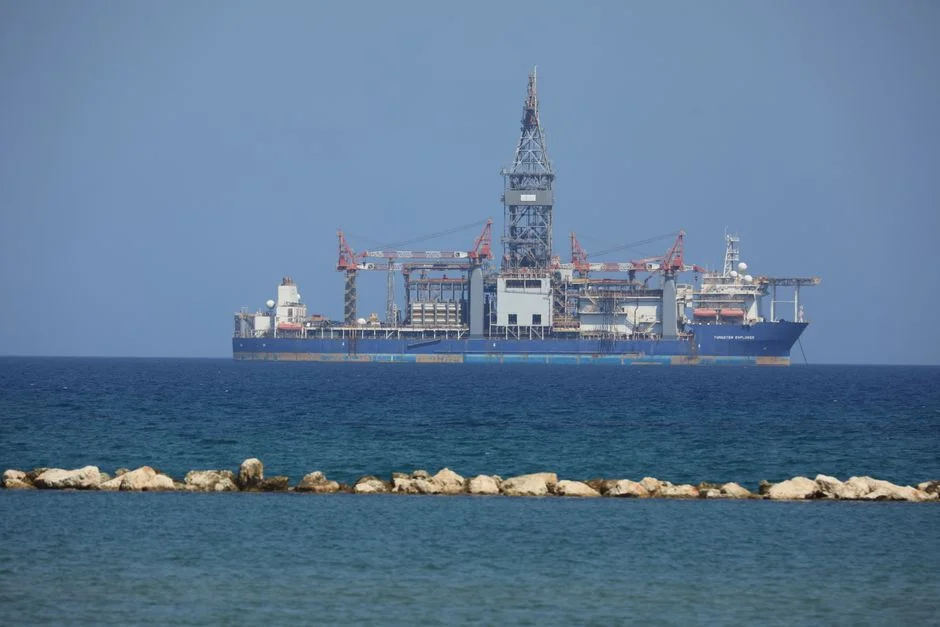
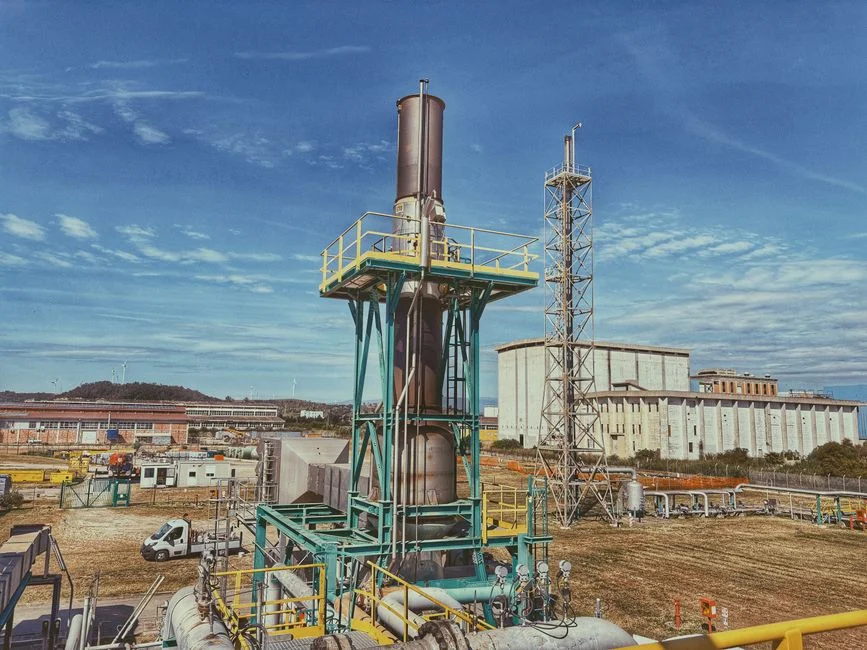
Nigeria's gas industry sees a potential lifeline as big tech companies step in to modernise its operations, driven by a surge in artificial intelligence capabilities. This shift comes as the country grapples with an ageing infrastructure and a pressing need for innovation to remain competitive in global energy markets.
AI-Driven Investments in Nigeria's Energy Sector
Several major tech firms, including Microsoft and Google, have announced plans to invest heavily in Nigeria's gas sector. Aiming to harness AI technology, these companies intend to improve efficiency and enhance production capabilities. This initiative aligns with Nigeria's Vision 30-30-30 target, which aims to increase gas production to 30 billion cubic feet per day by 2030.

As of now, Nigeria's gas production stands at approximately 8 billion cubic feet per day, indicating a substantial gap that needs to be addressed. With AI integration, companies hope to optimise logistics, reduce operational costs, and bolster overall output, creating a ripple effect throughout the local economy.
Local Communities Set to Benefit
For many Nigerians, especially those living in regions such as the Niger Delta, the implications of revitalising the gas industry are profound. Increased production could lead to more job opportunities and greater energy security for local households. The potential for expanded gas infrastructure means that energy access could improve in previously underserved areas.
Job creation is a key concern for communities that have historically faced high unemployment rates. According to Labour Ministry figures, Nigeria's jobless rate stands at 33.3%, with youth unemployment even higher at 42.5%. As the gas industry modernises, local hiring initiatives could help alleviate these alarming statistics.
Investment Challenges and Community Skepticism
Despite the optimistic outlook, challenges remain. Many communities have expressed scepticism regarding foreign investments. Past agreements have often failed to deliver the promised benefits, leading to deep-seated distrust. As a result, stakeholders must prioritise transparent processes and local engagement to build confidence.
The Nigerian oil and gas regulator, the Department of Petroleum Resources, has initiated consultations with community leaders to ensure that local voices are heard in decision making. This partnership aims to foster goodwill and promote the sustainable development of local economies.
Environmental Concerns Persist
Environmental sustainability is another pressing issue. The Niger Delta has suffered from numerous oil spills and gas flaring, leading to widespread ecological damage. Activists warn that new investments must incorporate robust environmental standards to protect local ecosystems.
A recent report by the Nigeria Conservation Foundation highlights that nearly 75% of the region's mangrove forests have been lost to industrial activities. The call for green technologies is increasing, and many hope that AI can help monitor and mitigate these environmental impacts more effectively.
The Road Ahead for Nigeria’s Gas Industry
As big tech firms continue to explore opportunities in Nigeria, the outlook for the gas industry depends heavily on how these investments are managed. The government remains optimistic, with officials stating that attracting technology partners is key to driving growth and innovation.
Looking ahead, the industry will face a critical test of resilience. Upcoming regulatory discussions in November will determine the framework for foreign investment. How these regulations evolve will significantly impact the future of Nigeria's gas sector and its local communities.
See Also
- Cloud Bills Surge in Nigeria — How Businesses Are Paying the Price
- Gov Mbah Urges Enugu Residents to Own Their Achievements — Unity is Key
The government remains optimistic, with officials stating that attracting technology partners is key to driving growth and innovation.Looking ahead, the industry will face a critical test of resilience. How these regulations evolve will significantly impact the future of Nigeria's gas sector and its local communities.