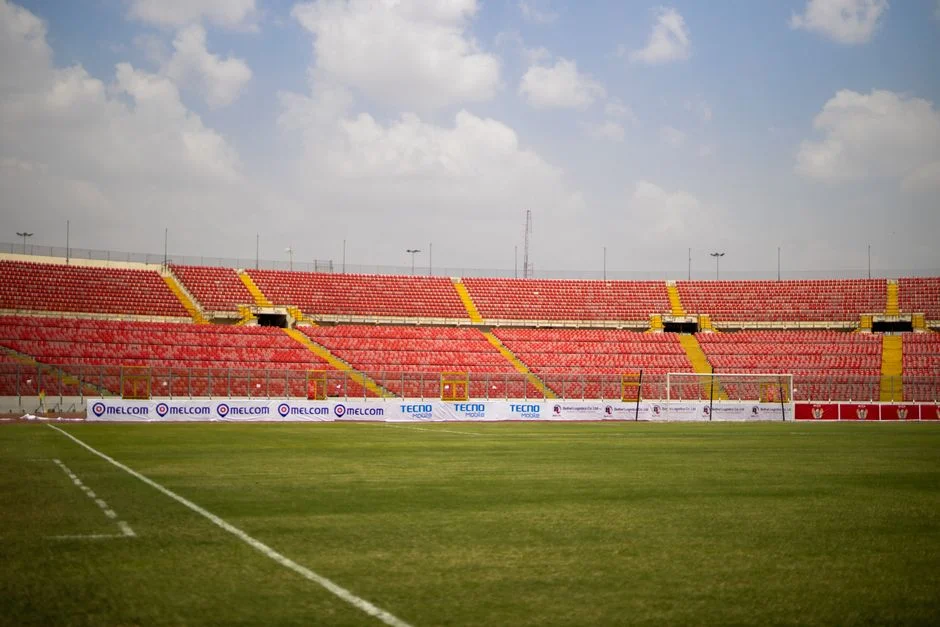
Ten African teams are set to compete in the upcoming FIFA World Cup, showcasing a remarkable display of local coaching talent that is reshaping the continent's football landscape. With a focus on tactical depth and team cohesion, this new era promises to enhance the performance of African nations on the global stage. The Confederation of African Football has confirmed this unprecedented participation, signalling a shift in how African teams are prepared for international challenges.
The Rise of Local Coaches
The increasing reliance on local coaches reflects a strategic decision aimed at enhancing team performance. Renowned coach Aliou Cissé, who led Senegal to victory at the Africa Cup of Nations, exemplifies this shift. His understanding of local culture and football dynamics has enabled Senegal to rise in global rankings, encouraging other nations to follow suit.
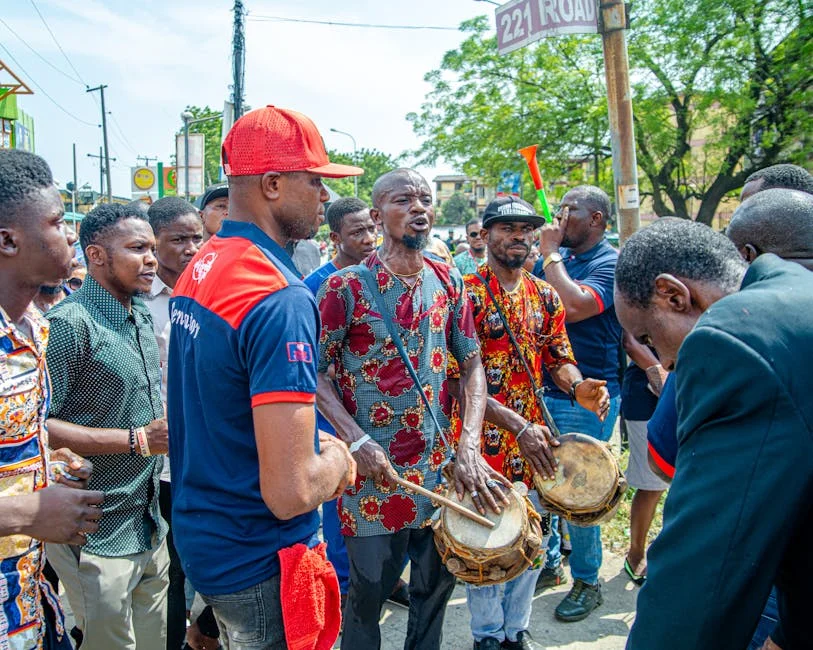
Nigeria's decision to appoint local coach José Peseiro has also generated excitement among fans. His tactics emphasise building a strong team ethos, which is critical given Nigeria's rich football history. The success of local coaches like Peseiro not only boosts player morale but also fosters a sense of community pride across regions.
Impact on Local Communities
As African teams gear up for the World Cup, local communities are already feeling the effects. Increased interest in football has led to higher engagement in sports activities, especially among the youth. Cities across Nigeria, including Lagos and Abuja, are witnessing a surge in grassroots football programmes aimed at nurturing young talent.
The local economy benefits significantly as well. Sports bars, merchandise sales, and viewing parties are on the rise, creating job opportunities and stimulating local businesses. This economic boost resonates well beyond the stadiums, reflecting the power of football to unite and inspire communities.
Fan Engagement and Cultural Pride
As the tournament approaches, fan engagement is at an all-time high. Social media platforms buzz with anticipation, as supporters rally behind their teams. The cultural significance of this year's World Cup is heightened by a strong sense of national pride. Fans are not only supporting their teams from afar; many are also making plans to travel to the host country to witness the matches live.
This cultural investment is particularly evident in Nigeria, where football is a passion that transcends social classes. The enthusiasm surrounding local teams fosters a spirit of unity among citizens, prompting discussions about football's role in promoting national identity.
Strategic Goals for African Teams
In preparation for the World Cup, African teams are refining their strategic goals. For instance, Cameroon has set a benchmark to reach at least the quarter-finals, a move that sets high expectations for the players and coaching teams. Their performance could pave the way for increased investment in local leagues and football development programmes.
Countries like Ghana and Morocco are also prioritising tactical training and player fitness, ensuring they are competitive against global powerhouses. This strategic focus on training reflects a broader vision for African football, aiming for more consistent performances on the world stage.
What Lies Ahead for African Football?
Looking ahead, the success of African teams in the World Cup could reshape the perception of African football globally. If local coaches continue to guide their teams effectively, it could lead to a resurgence of interest and investment in domestic leagues. Families and communities that have supported these teams for generations will benefit from the increased visibility and success on an international platform.
As the tournament nears, fans have much to anticipate. The performance of African teams in the World Cup will not only affect sports culture but may also lead to a re-evaluation of the potential of local coaching talent across the continent.
See Also
- Somerset Signs Jordan Hermann — What It Means for Cricket Fans
- Oluwole Omofemi Captures Nigerian Royalty — Why This Matters
The cultural significance of this year's World Cup is heightened by a strong sense of national pride. This strategic focus on training reflects a broader vision for African football, aiming for more consistent performances on the world stage.What Lies Ahead for African Football?Looking ahead, the success of African teams in the World Cup could reshape the perception of African football globally.