The South Carolina Senate has approved a controversial new redistricting map that defies the influence of former President Donald Trump, a move likely to reshape the political landscape ahead of the primary elections. On Tuesday, the Senate voted 28 to 19 in favour of the new map, which will alter legislative district boundaries to accommodate population shifts and address concerns over representation.
Impact on Local Communities
This redistricting comes at a crucial time for South Carolina as it heads into its primary elections scheduled for June 2024. Many communities are anxious about how the new boundaries will impact local representation and funding for essential services. Residents in areas such as Charleston and Greenville are particularly concerned, as their voting districts have seen significant changes.

Local leaders argue that these changes could either enhance or dilute their influence in the state legislature. Representative Joe Wilson, who voiced concerns during the debate, pointed out that the new map could overshadow the voices of established communities, particularly those with minority populations.
Political Ramifications
The new map represents a significant departure from previous plans that were more closely aligned with Trump's vision for the state. Supporters of the updated map believe it better reflects the demographic changes within South Carolina, which has seen a surge in population growth in urban areas compared to rural regions.
Despite the Senate's approval, this decision has ignited fierce debates among party members and constituents. Trump and his allies have expressed their dissatisfaction over the Senate's decision, branding it a betrayal of traditional Republican values. With Trump's base remaining strong in South Carolina, the implications of this new map could lead to a reshuffling in the upcoming primaries.
Community Reactions
Local advocacy groups have mixed reactions to the new redistricting. Some see it as an opportunity for greater representation of minorities and urban residents, while others fear it could fragment communities that have historically aligned politically. Activist group 'Fair Districts SC' lauded the changes as a step towards more equitable representation.
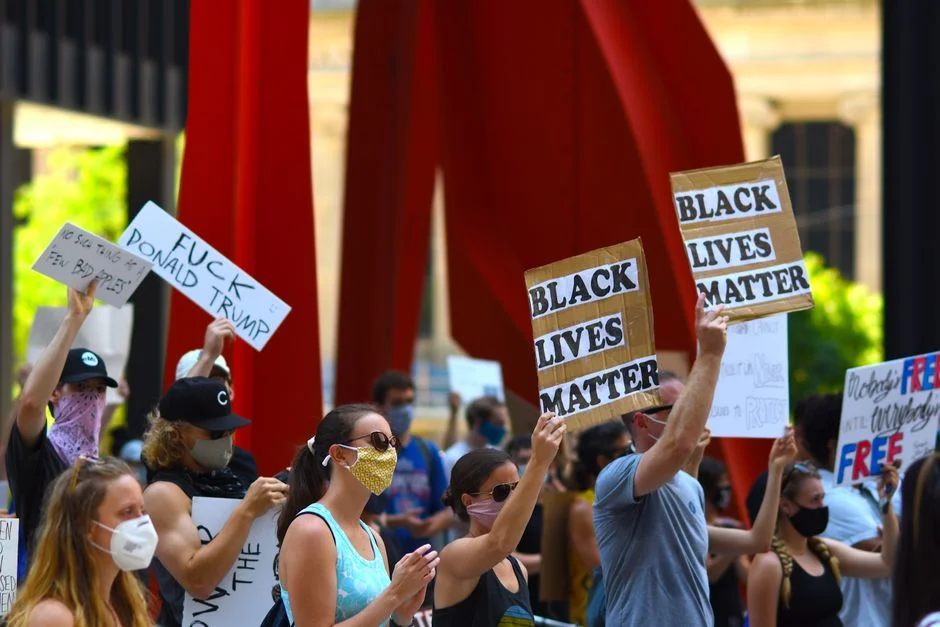
Conversely, some citizens have begun organising rallies and discussions to express their concerns about the redistricting. There is a palpable fear that the new map will lead to confusion among voters, complicating an already challenging process as they prepare for the primaries.
What’s Next for the Redistricting Process?
As South Carolina prepares for the primaries, the map approval is just the beginning of a longer process that includes potential legal challenges. Critics of the new boundaries may seek to contest the map in court, arguing that it violates the principles of fair representation.
With the primaries only months away, it remains critical for voters to stay informed about these changes. Upcoming town hall meetings will provide citizens an opportunity to voice their opinions on the redistricting and learn how it will affect their voting districts.
Looking Ahead
The South Carolina primary elections are set for June 2024, making the next few months vital for candidates and constituents alike. Political analysts will be closely watching how these redistricting changes influence voter turnout and party dynamics. Citizens should prepare for a rapidly evolving political landscape as candidates begin to adapt to the new boundaries.
See Also
- Gov. Yusuf Recieves World Bank Representatives, Seeks Extension of Intervention Projects in Kano
- CBN Orders Banks to Stop Using Naira Revaluation Gains for Dividends, Operations