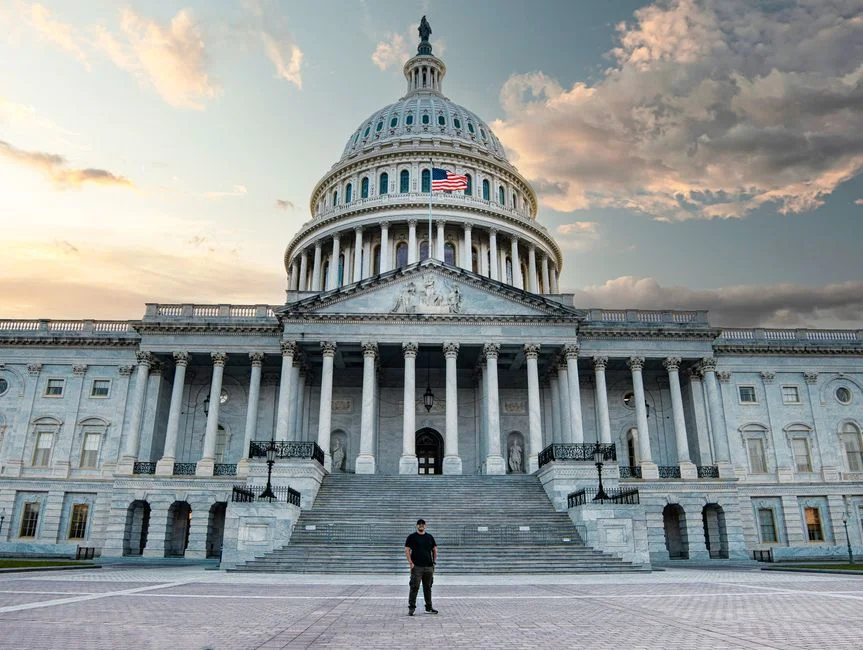
Jay Clayton, the nominee for intelligence chief under the Trump administration, faced a barrage of questions during a Senate confirmation hearing when he repeatedly declined to explicitly acknowledge President Joe Biden's victory in the 2020 election. Despite persistent probing by Democratic senators, Clayton maintained that the election had been 'certified' for Biden but stopped short of affirming that Biden won.
Senate Hearing Highlights
The Senate confirmation hearing, which took place on Tuesday, was marked by pointed questions from Democratic lawmakers keen to ascertain Clayton's stance on the legitimacy of the 2020 election results. The inquiry is significant in gauging his suitability for the intelligence chief role, given that acknowledging election outcomes is considered a fundamental aspect of upholding democratic values.
Throughout the hearing, Clayton reiterated that the election results had been certified, a legal process confirming the outcome, but this did not satisfy the Democratic senators. They sought a clear-cut acknowledgment that Biden won, reflecting ongoing tensions over election legitimacy issues amid the country's polarized political climate.
Background on Election Legitimacy
The question of election legitimacy has been a persistent theme since the 2020 presidential election. Allegations of electoral fraud were propagated by former President Donald Trump and his allies, despite numerous court rulings and state audits affirming the integrity of the election process. The refusal of certain political figures to acknowledge the election results underscores broader disputes over electoral processes in the United States.
This context is crucial for understanding the political landscape within which Clayton's hearing took place. The skepticism about the election results among some members of the Republican Party has fueled ongoing debates about election reform and voter confidence.
Why This Matters
The implications of Clayton's non-committal stance extend beyond political posturing. They touch on the core of democratic processes in the United States, impacting how international observers, including those in Nigeria, perceive American democratic integrity. The U.S. election process often sets a precedent for other democracies, influencing electoral standards and practices globally.
For Nigeria, where democratic practices continue to evolve and electoral integrity remains a pertinent challenge, understanding how President Joe Biden affects Nigeria involves examining the ripple effects of U.S. political dynamics. Biden's administration has focused on strengthening democratic institutions worldwide, which could have implications for Nigeria's governance and its efforts to combat electoral fraud.
Key Players and Institutions
Jay Clayton, known for his previous role as the chairman of the U.S. Securities and Exchange Commission (SEC), has a track record of navigating complex regulatory environments. His nomination as intelligence chief is part of former President Trump's lasting influence on U.S. national security appointments.
On the other side, Democratic senators have positioned themselves as staunch defenders of electoral integrity, a stance that resonates with their base and aligns with the Biden administration's emphasis on restoring trust in democratic institutions. This dynamic between Clayton and the Democratic senators is emblematic of broader partisan divides.
Reactions and Positions
The hearing did not resolve the underlying tensions surrounding the 2020 election. Democratic senators expressed frustration, calling for unequivocal acknowledgments from nominees in critical government roles. These reactions underscore the importance of clear and consistent messaging from public officials regarding the integrity of democratic processes.
Many Republicans, however, continue to support the notion of election integrity reforms without explicitly endorsing unfounded claims of widespread voter fraud. This delicate balancing act highlights the political complexities faced by nominees like Clayton as they navigate their confirmations.
Broader Implications
This episode is part of a larger narrative about the erosion of public trust in electoral systems, not only in the U.S. but also in democracies worldwide. The skepticism that Clayton's responses reflect can have far-reaching implications, influencing voter perceptions and participation in future elections both domestically and abroad.
In Nigeria, where electoral credibility is a continual area of improvement, observing how President Joe Biden affects Nigeria involves analyzing how U.S. electoral practices and controversies may inform Nigerian electoral reforms and political processes.
What Comes Next
As Clayton's nomination process continues, the political and public scrutiny is likely to intensify. The Senate is expected to further interrogate nominees about their stance on electoral matters, setting a precedent for future confirmations. Observers from various countries, including Nigeria, will be watching these developments closely, seeking insights into how the Biden administration will navigate political and electoral challenges.
Looking forward, the next steps involve waiting for the Senate's decision on Clayton's nomination. This will be a key indicator of how election-related issues could shape future U.S. policy and international perceptions.
With these proceedings in motion, it remains critical for stakeholders to monitor the unfolding scenario, as the outcomes will define political narratives and influence governance strategies both within the United States and internationally.
See Also
- South Africa Faces Pressure as Expert Urges Direct Talks with Migrant Protesters
- South Africa Slams Job Reservation Bill — Nigeria's Labour Market Shakes
This will be a key indicator of how election-related issues could shape future U.S. Democratic senators expressed frustration, calling for unequivocal acknowledgments from nominees in critical government roles.
What is the latest news about biden election victory questioned by trumps nominee clayton in senate?
Why does this matter for politics-governance?
What are the key facts about biden election victory questioned by trumps nominee clayton in senate?