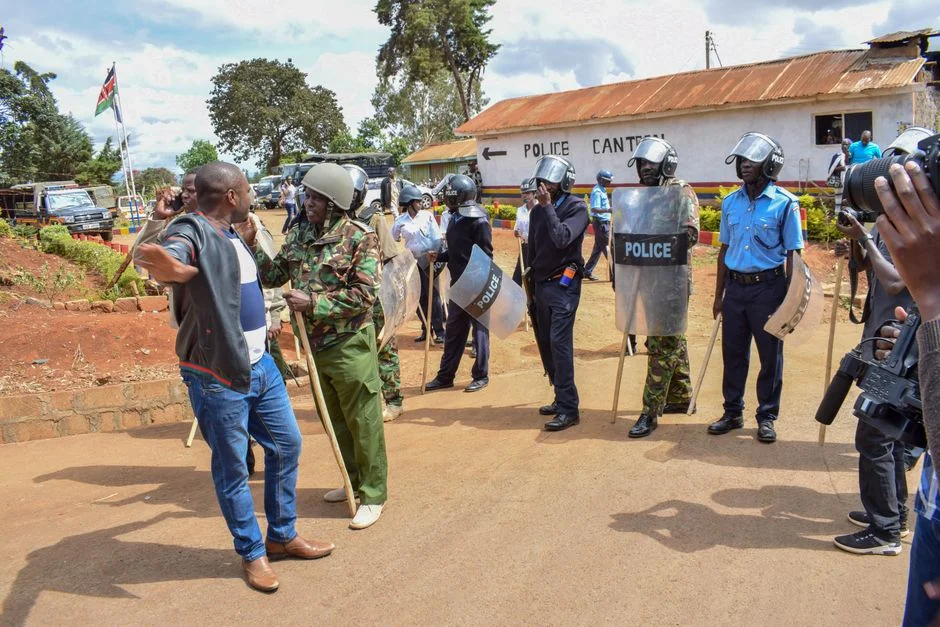
Ghana has evacuated its first citizens from South Africa following a surge of anti-immigrant protests that escalated over the past week. The Ghanaian government coordinated the return of 22 nationals who were caught in the violent demonstrations in Johannesburg, which saw clashes between local residents and foreign nationals.
Response to Rising Tensions in South Africa
The protests, ignited by a deepening economic crisis in South Africa, have prompted fears for the safety of foreign residents, particularly immigrants from other African nations. Ghana's Minister of Foreign Affairs, Shirley Ayorkor Botchwey, confirmed the evacuation, stating that the safety of Ghanaians abroad remains a top priority for her administration.

This action is not merely a logistical response but also a reflection of broader regional tensions. Anti-immigrant sentiments have been documented in South Africa before, often flaring up during periods of economic hardship. As local frustrations grow, immigrants often bear the brunt of the resentment.
Impact on Communities Back Home
For many Ghanaian families, the news of their loved ones' evacuation is a relief, but it also raises concerns about the future. Families had been anxiously awaiting updates as anti-immigrant violence erupted. The situation evokes memories of previous crises where Ghanaians faced violence abroad.
The government’s response indicates a commitment to protecting its citizens but also underscores the challenges posed by regional instability. As Ghanaians return home, they may face reintegration challenges, especially concerning employment and settling back into local communities.
Economic Ramifications in Ghana and South Africa
The economic impact of these developments could be felt extensively in both nations. Ghana relies on remittances from citizens living abroad, including those in South Africa. In 2022, Ghana reportedly received approximately $3 billion in remittances, with a significant portion coming from South African nationals.
Potential for Regional Economic Strain
Meanwhile, South Africa's economy faces pressures that could worsen if the unrest persists. An influx of returning immigrants could strain local resources. Ghana's growing unemployment rate, currently estimated at 6.5%, could also be affected as these returnees seek jobs in an already competitive market.
Government’s Next Steps and Community Reactions
The Ghanaian government plans to monitor the situation closely and intends to provide resources for the reintegration of returnees. Community leaders have expressed a mix of support and concern over how returning citizens will adjust. Many community organisations are rallying to provide counselling and job search assistance.
Local organisations are preparing to launch initiatives aimed at supporting the emotional and economic needs of returnees. These efforts seek to ensure that returnees can reintegrate into society smoothly, without exacerbating existing economic challenges.
Looking Ahead: What to Watch for
The situation remains fluid, and further evacuations may occur if the unrest continues. Ghana’s Ministry of Foreign Affairs has urged citizens still in South Africa to remain vigilant and avoid areas known for violent protests. Upcoming elections in South Africa could also impact the current climate, potentially exacerbating tensions or bringing about policy changes regarding immigration.
As events unfold, both Ghana and South Africa must navigate the implications of these protests and their consequences for regional stability and bilateral relations. The involvement of local communities in supporting returnees will be crucial in addressing the challenges ahead.
See Also
- US Visa U-Throw Traps African Fans at World Cup
- Nigeria's Soname Rewards Flamingos with N4.5m Ahead of Morocco 2026 FIFA World Cup