A non-profit organisation supported by Warren Buffett, African Parks, aims to stimulate local tourism in Nigeria to aid the conservation of white rhinos. The initiative, announced earlier this week, seeks to enhance community engagement and promote eco-tourism as a sustainable economic model for local residents.
Rhino Conservation and Economic Impact
African Parks operates the Yankari Game Reserve in Bauchi State, which is home to Nigeria's dwindling white rhino population. The charity plans to invest $4 million in infrastructure and training over the next three years to boost eco-tourism. This project not only aims to protect the rhinos but also to create job opportunities for the local community.
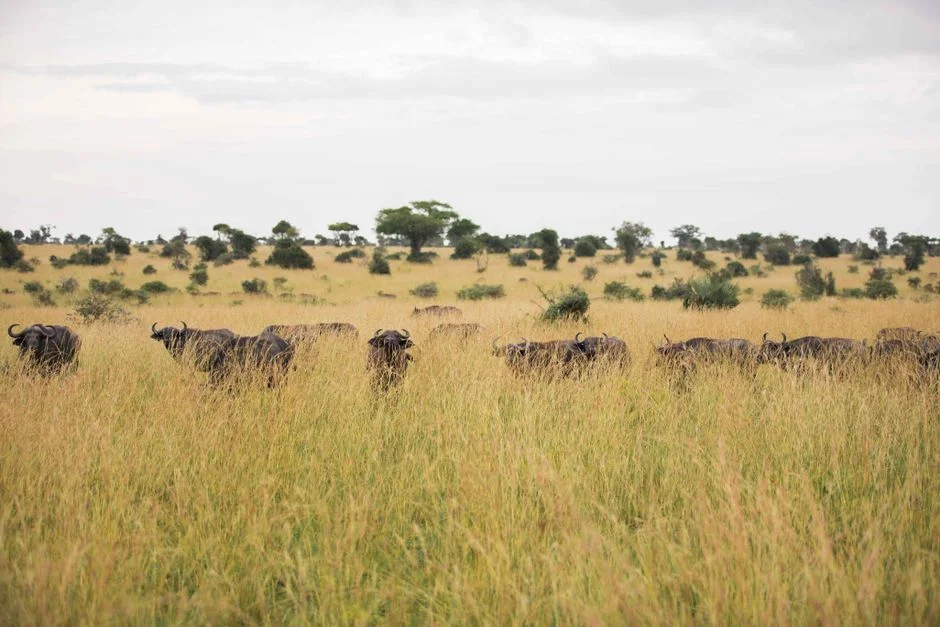
The plan could generate hundreds of jobs as local businesses adapt to cater to a surge in visitors. Currently, the reserve attracts around 50,000 visitors annually, but with the planned developments, officials believe this number could triple, significantly impacting the local economy.
Buffett's Commitment to Conservation
Warren Buffett's philanthropic efforts channel significant funding into wildlife conservation, and African Parks is one of the beneficiaries. The organisation recently secured a $10 million investment from the Buffett-backed foundation to expand its initiatives in Africa, including Nigeria.
According to African Parks' CEO, Peter Fearnhead, “Warren Buffett believes in the potential of local communities to drive conservation efforts. By increasing tourism revenue, we help not just the rhinos but also the people living near them.” This focus on community enhancement is expected to create a more sustainable model for wildlife preservation.
Community Engagement and Response
The local population has expressed enthusiasm about the potential benefits of increased tourism. Residents of nearby communities, including Tafawa Balewa and Alkaleri, are already taking steps to prepare for the influx of visitors. Training programs in hospitality and wildlife management are being organised to equip locals with the necessary skills.
Community leaders are also optimistic about the economic turnaround the project could bring. A local council member from Alkaleri stated, “If we get more tourists, our markets will flourish. More businesses will open, and our youth will have jobs.”
Challenges Ahead
Despite the optimism, challenges remain. Poaching and habitat loss continue to threaten white rhinos, and the local government faces pressure to balance conservation efforts with agricultural expansion. African Parks is working closely with the Ministry of Environment to ensure that conservation and community needs are integrated into land-use planning.
Awareness campaigns are also crucial in combating poaching. Fearnhead mentioned that educating communities about the importance of wildlife can foster a culture of conservation that benefits everyone.
What’s Next for Nigerian Tourism?
As preparations for the tourism boost unfold, African Parks is set to host a community event next month to discuss the plans with residents. This will be an opportunity for locals to voice concerns and contribute ideas to enhance the initiative.
Looking ahead, the success of this tourism strategy will depend on collaborative efforts between African Parks, the Nigerian government, and the local community. With the goal of launching improved facilities and promotional campaigns in early 2024, stakeholders are eager to see how these efforts will unfold in the coming months.
See Also
- Africa Today Exposes Nigeria's Hidden Economic Vulnerabilities
- Nigeria's FG Warns: Harassing Mining Marshals Could Cost You Jail Time