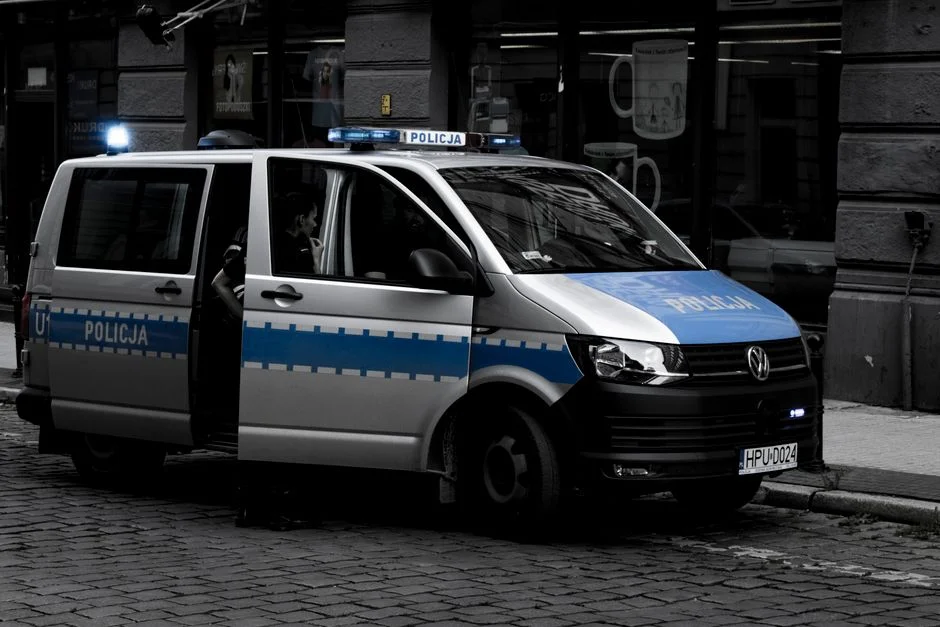
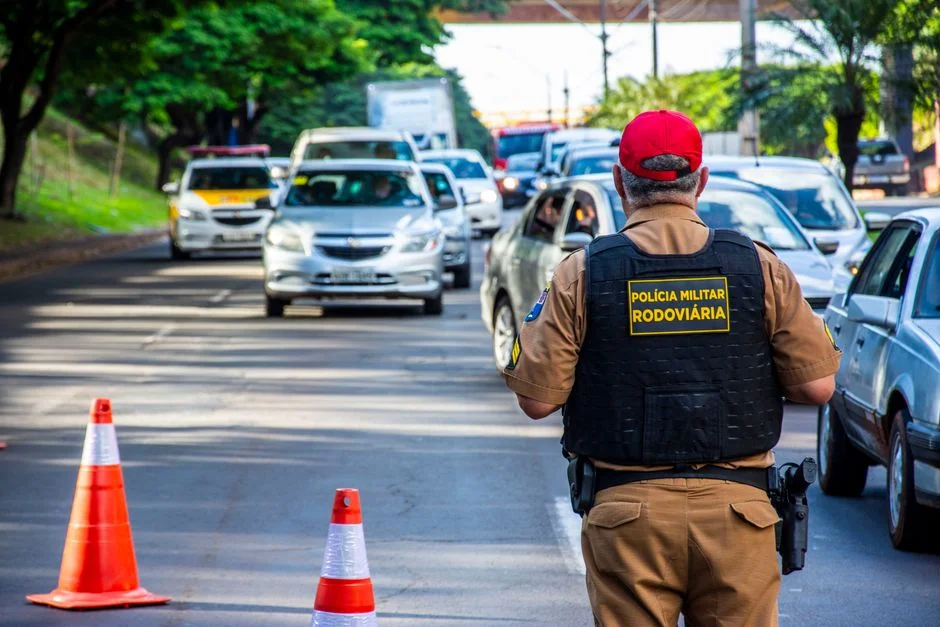
The Nigeria Police Force in Plateau State has issued a directive that will drastically alter daily travel for thousands of residents in Jos. Authorities have banned tricycle operations in key urban areas during the upcoming Sallah and Children’s Day celebrations. This move aims to reduce congestion and improve security but leaves many commuters facing immediate logistical challenges.
Police Order Sparks Commuter Anxiety in Jos
The Plateau State Command announced the ban on Monday, citing the need for a seamless flow of traffic and enhanced security during the festive period. Police officials stated that the high volume of vehicles on the roads often leads to gridlock, which complicates emergency response times. The order specifically targets areas with heavy pedestrian traffic and major commercial hubs.
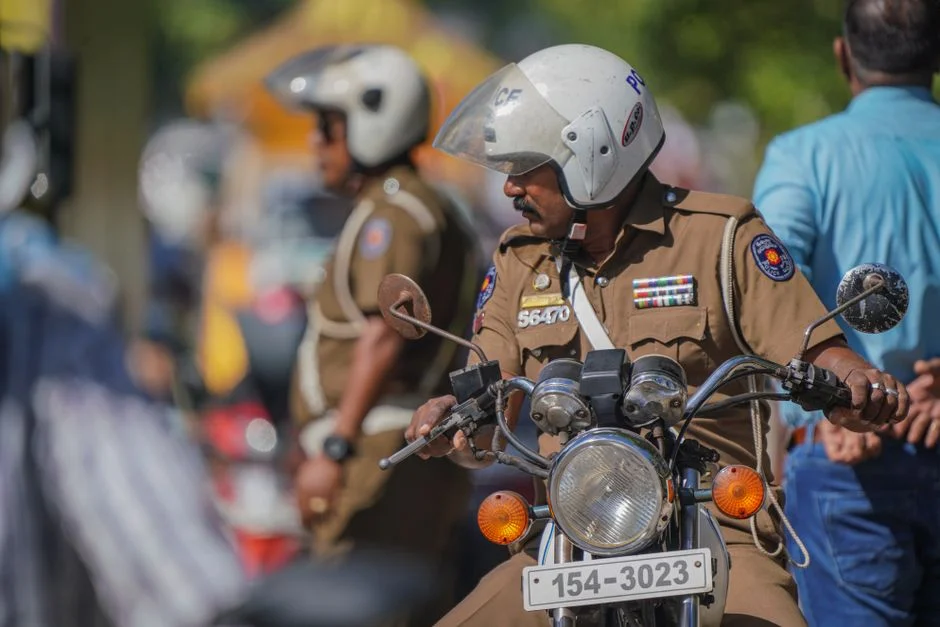
Tricycle riders, who form the backbone of last-mile connectivity in Jos, expressed immediate concern over the decision. Many rely on these few days of high turnover to supplement their monthly income. The uncertainty surrounding the enforcement dates has caused anxiety among operators who need to plan their schedules accordingly. Some riders fear the ban may extend beyond the official celebration days.
Residents in neighborhoods like Karimu and Ungwan Raba are already adjusting their morning routines. They are looking for alternative transport options, which often means paying higher fares on buses or private taxis. This shift places a financial burden on households that were hoping for a relatively affordable festive season. The lack of early communication from the police force has compounded the frustration.
Security Concerns Drive the Decision
Security remains the primary justification for the tricycle ban. Police commanders have noted that the narrow streets in certain parts of Jos become bottlenecks during peak festive hours. These bottlenecks create blind spots that can be exploited by criminals or slow down police patrols. The force argues that removing tricycles will clear the roads for larger security vehicles and emergency services.
Specific Areas Targeted by the Ban
The ban is not uniform across the entire state. It focuses on high-traffic zones where congestion is most severe. Police patrols will be intensified in these specific locations to ensure compliance with the new directive. This targeted approach aims to minimize disruption in residential areas while maximizing security in commercial centers.
- Karimu and the surrounding commercial streets
- The route leading to the Jos International Conference Centre
- Areas adjacent to major mosques and churches in the GRA
Local traders in these areas have mixed reactions to the security angle. Some welcome the reduced traffic, which makes it easier for customers to park and access shops. Others worry that fewer tricycles mean fewer customers, as many shoppers rely on them for quick trips to the market. The balance between security and economic activity remains a delicate one.
Economic Impact on Tricycle Operators
The financial implications for tricycle operators are significant. A typical rider in Jos earns between 3,000 and 5,000 Naira per day during normal periods. During Sallah, this figure can double due to increased passenger volume. A ban effectively wipes out this potential income for the duration of the restriction. For many riders, this loss affects their ability to pay rent or buy school fees for their children.
Some operators are considering pooling resources to hire buses for the festive days. This strategy allows them to remain in the transport sector, albeit with higher operational costs. The cost of fuel and driver wages for a bus is substantially higher than that of a tricycle. These added expenses will likely be passed on to passengers, further increasing the cost of living for residents.
The Nigeria Police Force has not yet offered compensation or specific relief measures for the affected riders. This lack of financial support has led to calls for a review of the policy. Local unions are meeting to discuss possible negotiations with the state command. They hope to secure a partial ban or specific operating hours that would allow for some income generation.
Alternative Transport Options Emerge
With tricycles off the road, other modes of transport are stepping up. Bus operators have announced increased frequencies on major routes to accommodate the surge in passengers. Private car owners are also using the opportunity to offer ride-sharing services at premium rates. This shift benefits drivers of larger vehicles but leaves those in peripheral areas with fewer options.
Cycling has also seen a resurgence, particularly among students and young professionals. Local bicycle rentals are reporting a spike in bookings as people seek a cost-effective way to navigate the city. This trend highlights the adaptability of Jos residents in the face of logistical challenges. However, the infrastructure for cyclists remains limited, making the journey less comfortable for some.
Walking is another option, but it requires more time and energy. For elderly residents and those with small children, the absence of tricycles makes getting to the mosque or family gatherings more difficult. This social impact is often overlooked in traffic management decisions. The police command has acknowledged these concerns but maintains that security takes precedence.
Community Response and Local Reactions
Community leaders in Jos have engaged in dialogues with the police to understand the rationale behind the ban. Some traditional rulers have urged their people to cooperate with the authorities to ensure peace during the celebrations. These endorsements help in smoothing the implementation of the policy. However, skepticism remains high among the general public.
Social media platforms have become a hub for discussion and complaint. Residents share real-time updates on traffic conditions and police enforcement actions. This digital feedback loop provides valuable data for both commuters and the police command. It also holds the authorities accountable for their promises regarding improved traffic flow.
Enforcement Challenges and Police Strategy
Enforcing a tricycle ban is notoriously difficult in Nigerian cities. Tricycles are small and can easily slip through gaps in traffic or take shortcuts. Police officers have been deployed at strategic points to intercept vehicles that enter restricted zones. The strategy involves both visible patrols and occasional surprise checks to keep riders on their toes.
Fines have been set for violators, but the amount varies depending on the location and the officer. This inconsistency has led to accusations of arbitrariness in the enforcement process. Some riders report being fined more than others for the same offense. The police command has promised to standardize the fine structure to reduce public discontent.
The use of technology is also being explored to aid enforcement. Dashcams on police vehicles and body-worn cameras for officers help in documenting violations. This evidence can be used to justify fines and reduce disputes between riders and officers. The integration of technology marks a modern approach to traffic management in Plateau State.
Looking Ahead: What Residents Should Watch
The ban is set to last for the duration of the Sallah and Children’s Day celebrations. Residents should plan their travel in advance to avoid last-minute rushes. Checking local police announcements and social media updates will provide the most current information on enforcement. This proactive approach can help minimize stress and ensure a smoother festive period.
Authorities have indicated that a review of the policy will take place after the celebrations. Feedback from commuters and operators will be considered in this review. Residents are encouraged to provide input through official channels to influence future traffic management decisions. This engagement can help shape policies that better balance security and convenience.
The next key date to watch is the official announcement from the Plateau State Command regarding the end of the ban. This announcement will provide clarity on when tricycles can return to the roads. Until then, residents must adapt to the new travel dynamics. The success of this experiment will depend on the cooperation of both the police and the public.
See Also
- South Africa Rugby Derby Kicks Off Saturday: A Tale of Two Teams Driving African Sports Development
- Bodo/Glimt Confirms Sporting's 25 Titles: What It Means for African Football