Nigeria’s diaspora communities are quietly reshaping the continent’s humanitarian landscape, injecting billions of dollars directly into households rather than through bureaucratic aid agencies. This shift challenges traditional models of relief and places unprecedented financial power in the hands of ordinary citizens abroad.
The Scale of Informal Aid
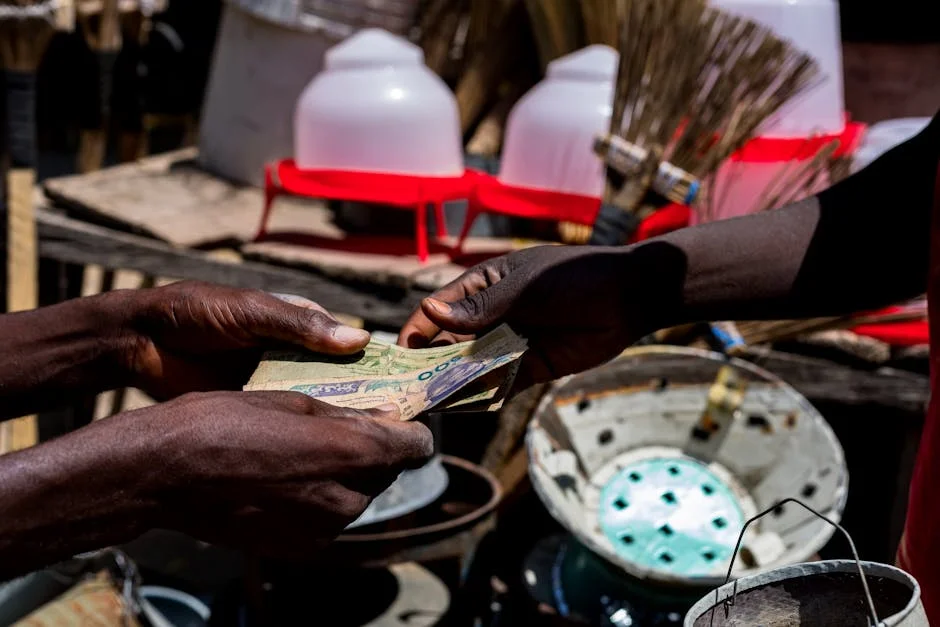
The flow of money from Nigerians living in London, Lagos, and New York has grown into a critical economic pillar for the home country. Recent data indicates that remittances have surged past $60 billion annually, a figure that often outstrips foreign direct investment and even traditional aid packages. This capital does not sit in government coffers; it moves rapidly through markets, schools, and hospitals.
Traditional humanitarian organizations often struggle with high overhead costs and slow deployment times. In contrast, diaspora aid arrives within days of being sent, allowing families to react quickly to inflation, health crises, or security threats. This speed is not just convenient; it is often the difference between stability and chaos for vulnerable communities.
Financial institutions and mobile money platforms have adapted to this demand, creating corridors that minimize transaction costs. The reliance on these informal networks highlights a growing trust deficit in formal aid structures, prompting a reevaluation of how international support is delivered.
Impact on Daily Life in Nigerian Communities
In cities like Lagos and Abuja, the daily reality for many families is defined by the arrival of the monthly remittance. These funds pay for school fees, cover medical bills, and purchase essential groceries, effectively acting as a social safety net that the state has yet to fully replicate. For a mother in Surulere, the $200 sent from a cousin in London might cover three months of electricity bills.
This direct financial injection stabilizes local economies by keeping money in circulation. Small business owners in markets across Nigeria benefit from the increased purchasing power of households dependent on overseas income. The ripple effect supports vendors, transporters, and service providers, creating a micro-economy sustained by global earnings.
However, this dependency also creates vulnerability. When global economic conditions tighten, such as during inflation spikes in the US or UK, the value of the dollar or pound sent home fluctuates. Families must adjust their budgets rapidly, often cutting back on non-essential goods or delaying major investments.
The Gender Dimension of Remittances
Women in Nigeria are often the primary beneficiaries and managers of diaspora funds, influencing how the money is spent within the household. Studies show that when women control remittance income, a higher percentage is directed toward children’s education and health compared to when men manage the funds. This shift empowers women to make critical decisions about family welfare, altering traditional power dynamics in many households.
Yet, the burden of managing these funds often falls on women, who must navigate complex exchange rates and transfer fees while maintaining communication with relatives abroad. The emotional labor of sustaining these cross-continental relationships is significant, adding to the economic contribution.
Challenges in the Aid Ecosystem
Despite the volume of funds, the system is not without its flaws. High transaction costs remain a major barrier, with some families losing up to 10% of their sent money to fees and exchange rate margins. These costs are often borne by the sender, reducing the actual impact of the aid when it reaches the recipient.
Informal transfer systems, such as the popular "envelope" method where cash is physically carried by travelers, offer lower fees but carry higher risks. These risks include currency fluctuation, theft, and the simple uncertainty of the traveler’s journey. While efficient, these methods lack the security guarantees of formal banking channels.
Furthermore, the reliance on diaspora aid can mask deeper structural issues in the local economy. When households depend heavily on external income, local wages may stagnate because employers know that employees have a financial safety net. This dynamic can slow down broader economic reforms and wage negotiations in key sectors.
The Role of Digital Platforms
Technology has been the great equalizer in the diaspora aid sector. Mobile money apps and digital wallets have simplified the transfer process, allowing users to send money with just a smartphone and a stable internet connection. These platforms provide real-time exchange rates and lower fees, making it easier for diaspora members to maximize the value of their contributions.
Startups in West Africa are innovating to further reduce costs, using blockchain technology and peer-to-peer networks to streamline transfers. These innovations are not just about convenience; they are about empowering senders to retain more of their hard-earned money. As digital literacy grows across Nigeria, more families are moving away from traditional banks to these agile digital solutions.
The integration of digital payments also creates a financial footprint for previously unbanked households. This data can be leveraged for micro-loans and insurance products, further integrating diaspora-dependent families into the broader financial ecosystem. The potential for financial inclusion is vast, driven by the steady flow of overseas funds.
Policy Responses and Government Strategy
The Nigerian government has begun to recognize the strategic importance of diaspora remittances. Policies are being introduced to incentivize repatriation of funds, offering tax breaks and investment opportunities for diaspora members. These initiatives aim to channel informal aid into formal investment vehicles, such as real estate and infrastructure projects.
However, policymakers face the challenge of balancing regulation with flexibility. Over-regulation can drive remittances back to the informal sector, reducing transparency and tax revenue. The goal is to create an environment where diaspora members feel confident sending money through formal channels without incurring excessive costs or bureaucratic hurdles.
International partnerships are also crucial. Agreements between Nigeria and major diaspora-hosting countries, like the US and UK, can help stabilize exchange rates and reduce transaction fees. These diplomatic efforts are essential for ensuring that the financial lifeline remains robust and reliable for millions of Nigerians.
Community Resilience and Future Outlook
The resilience of Nigerian communities is deeply tied to the strength of their diaspora networks. These networks provide not just financial support but also social capital, knowledge transfer, and emotional support. They act as a buffer against economic shocks, allowing families to withstand inflation, unemployment, and health crises with greater stability.
Looking ahead, the trend of diaspora-led aid is likely to grow as global migration patterns shift and digital tools become more sophisticated. The challenge for policymakers and humanitarian organizations is to integrate these informal flows into the broader development strategy, rather than treating them as a separate phenomenon.
As Nigeria continues to navigate its economic transformation, the role of the diaspora will remain central. The success of future development initiatives will depend on how well these external resources are harnessed and integrated into local economies. The story of Nigerian aid is not just about money; it is about connection, trust, and the power of community.
What to Watch Next
Stakeholders should monitor upcoming policy announcements from the Central Bank of Nigeria regarding remittance incentives and exchange rate stability. These decisions will directly impact the value and flow of diaspora funds in the coming quarters. Additionally, watch for new digital payment partnerships between Nigerian fintechs and international banks, which could further reduce transaction costs and increase accessibility for rural households.
See Also
- South Africa's Free-Roaming Cheetahs Vanishing — Scientists Sound Alarm
- Portugal Music Revenue Surges 8% — A Signal for Nigerian Creators
This dynamic can slow down broader economic reforms and wage negotiations in key sectors. Policy Responses and Government Strategy The Nigerian government has begun to recognize the strategic importance of diaspora remittances.
What is the latest news about nigerias diaspora sends record aid how it saves lives?
Why does this matter for technology-innovation?
What are the key facts about nigerias diaspora sends record aid how it saves lives?