Federal Capital Territory Minister Idris Wike has ordered an immediate and rigorous investigation into the recent building collapse in Abuja, a tragedy that has sent shockwaves through Nigeria’s political capital. The minister announced that the primary developer and the lead structural engineer are set to face arrest as authorities scramble to determine the root causes of the structural failure. This decisive move comes as residents across the Federal Capital Territory demand greater accountability from construction firms that have often prioritized speed over safety.
The collapse has exposed deep-seated vulnerabilities in the region’s rapidly expanding real estate sector. Citizens are now questioning the efficacy of local building codes and the diligence of regulatory bodies. As debris is cleared from the site, the human cost of the disaster continues to mount, leaving families displaced and communities grieving. The government’s swift response signals a potential turning point in how infrastructure projects are monitored and approved in the capital.
Immediate Aftermath and Human Cost
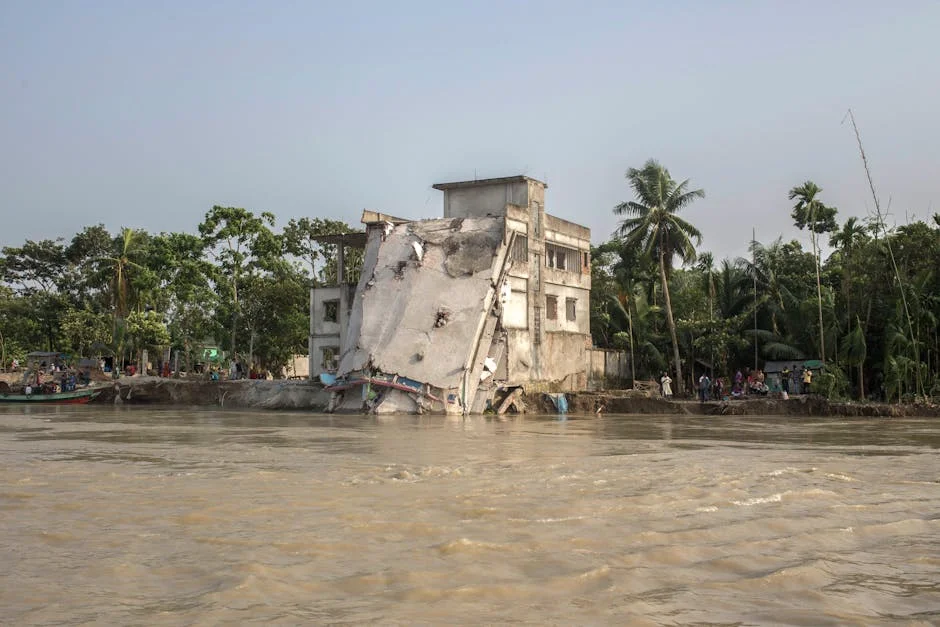
The incident occurred in a densely populated district, where the multi-story structure gave way with little warning. Emergency responders rushed to the scene, battling time to extract survivors from the concrete and steel wreckage. The speed of the collapse suggested a potential failure in the foundation or the load-bearing walls, raising immediate questions about the quality of materials used. Local hospitals were placed on high alert as ambulances ferried the injured to treatment centers.
Residents living in the vicinity reported hearing a loud rumble before seeing the dust cloud engulf the street. Many were caught off guard, with some still inside their homes when the structure began to crumble. The psychological impact on the community is profound, with neighbors describing a scene of chaos and confusion. Families have been forced to take in displaced relatives, straining local resources and community bonds.
The death toll is expected to rise as search and rescue teams continue their work. Each name added to the list represents a life abruptly interrupted, leaving behind spouses, children, and parents. The tragedy has sparked a wave of empathy and solidarity among Abuja residents, who have come together to support the affected families. Donations of food, clothing, and temporary shelter have poured in from local businesses and charitable organizations.
Wike’s Directive and the Probe
Minister Wike did not mince words when addressing the media, emphasizing the need for transparency and speed in the investigation. He ordered the Federal Capital Territory Development Board (FCTDB) to convene an emergency committee to review the project’s documentation. The minister stressed that no stone should be left unturned, and that the findings should be made public to restore confidence in the regulatory framework. His directive included a mandate to examine the approval process, from the initial blueprint to the final certificate of occupancy.
The probe will focus on several key areas, including the competency of the engineers involved and the financial stability of the development company. Investigators will also look into whether any shortcuts were taken during the construction phase to save costs. Wike warned that those found guilty of negligence or corruption would face the full wrath of the law. This aggressive stance is intended to send a clear message to other developers in the region.
Local officials have expressed support for Wike’s approach, noting that the pace of development in Abuja has often outstripped the capacity of regulators. The minister’s intervention is seen as a necessary shock to the system, forcing stakeholders to re-evaluate their practices. Community leaders have urged the government to ensure that the investigation is free from political interference and that justice is served swiftly.
Developer and Engineer Face Arrest
The primary developer, a prominent figure in the Abuja real estate market, is expected to be summoned for questioning. Reports indicate that the company has a history of delivering high-end residential and commercial properties, but critics have long pointed to inconsistencies in their project timelines. The arrest of the developer could set a precedent for holding corporate entities directly accountable for structural failures. Legal experts suggest that the charges could range from gross negligence to criminal liability, depending on the evidence uncovered.
The lead structural engineer is also a key target of the investigation. Engineers play a crucial role in ensuring that buildings can withstand various stresses, including seismic activity and heavy loads. If the engineer’s calculations were flawed or if they ignored critical warnings from site inspectors, the consequences could be severe. The profession’s reputation in the Federal Capital Territory may hang in the balance, with many questioning the rigor of the licensing and certification processes.
Arrest warrants are being prepared, and authorities are moving quickly to secure the key players before they can potentially flee or influence witnesses. The legal team representing the developer has requested a brief window to gather preliminary evidence, but the government has shown little patience for delays. This high-profile case is likely to draw significant media attention, putting the spotlight on the intricate web of relationships between developers, engineers, and regulators.
Legal and Professional Implications
The potential arrests highlight the growing tension between rapid urbanization and professional accountability in Nigeria. The legal framework for construction defects is complex, often involving multiple parties and overlapping jurisdictions. In this case, the Federal Capital Territory has the authority to prosecute, which could streamline the process. However, the outcome will depend heavily on the technical evidence presented by independent experts.
For the engineering profession, this incident serves as a stark reminder of the stakes involved. Professional indemnity insurance may come into play, but it rarely covers the reputational damage that follows a high-profile failure. The Institution of Surveyors of Nigeria and the Nigerian Institute of Surveyors may also review their own standards in light of this tragedy. This could lead to stricter continuing education requirements and more rigorous site inspections.
Impact on Local Communities
The collapse has had a direct and immediate impact on the daily lives of Abuja residents. Many are now wary of entering new buildings, particularly those under construction. This hesitation is affecting local businesses, as foot traffic in the affected area has decreased. Shop owners report a drop in sales, while landlords are struggling to attract tenants for vacant units. The economic ripple effect is already being felt in the local market.
Displaced families are facing uncertainty as they seek temporary housing. Some have moved in with relatives, while others have rented apartments in neighboring districts. This influx of residents has put pressure on the local rental market, driving up prices in nearby areas. Schools and healthcare facilities in the vicinity are also seeing an increase in demand, as displaced children return to class and patients seek medical attention.
Community cohesion has been tested but also strengthened by the tragedy. Neighborhood associations have organized cleanup drives and support groups for the affected families. Local leaders have held town hall meetings to discuss the incident and to demand answers from the government. These gatherings have become platforms for citizens to voice their concerns and to propose solutions for preventing future disasters.
Regulatory Gaps and Building Codes
This incident has reignited the debate over the effectiveness of building codes in Abuja. Critics argue that the current regulations are often outdated and not strictly enforced. The Federal Capital Territory Development Board has been tasked with updating the codes to reflect modern engineering standards and the unique geological conditions of the region. However, the process has been slow, and many developers have exploited loopholes to fast-track their projects.
Enforcement is another major challenge. Inspectors are often understaffed and underpaid, making it difficult to conduct thorough and frequent site visits. Corruption is also a factor, with some developers paying off officials to overlook minor infractions that can compound into major structural issues. The government has acknowledged these problems and has pledged to increase the number of inspectors and to introduce digital monitoring systems to track construction progress.
The collapse has also highlighted the need for better public education about building safety. Many homeowners are unaware of the importance of regular maintenance and the signs of structural distress. Community workshops and public service announcements could help empower residents to take a more proactive role in ensuring the safety of their homes. This educational effort is crucial for building a culture of safety and accountability in the construction sector.
Economic Consequences for the Real Estate Sector
The real estate sector in Abuja is a major contributor to the local economy, providing jobs and generating revenue. However, this tragedy has introduced a note of caution for investors and buyers alike. Property values in the affected area may dip in the short term as buyers become more discerning. Developers may also face higher insurance premiums and more stringent lending requirements from banks.
Investors are likely to conduct more due diligence before committing capital to new projects. This could slow down the pace of development, giving regulators more time to review and approve projects. While this may seem like a setback for growth, it could ultimately lead to a more stable and sustainable market. High-quality construction is likely to become a key selling point, differentiating reputable developers from their competitors.
The construction industry itself may see a shift in hiring practices. Firms may invest more in training and certification for their engineers and project managers to mitigate risk. This could lead to higher wages for skilled professionals, boosting the local economy. Additionally, the demand for high-quality building materials is likely to increase, benefiting suppliers and manufacturers in the region.
What to Watch Next
The coming weeks will be critical in determining the outcome of the investigation and the legal proceedings. Residents should watch for the release of the preliminary report from the Federal Capital Territory Development Board, which is expected to outline the main findings and recommendations. This report will provide valuable insights into the causes of the collapse and the steps needed to prevent similar incidents in the future.
The arrest of the developer and the engineer will be a key milestone in the legal process. Their testimonies and the evidence presented in court will shape the public’s understanding of the tragedy. Legal experts will be closely monitoring the case for precedents that could influence future construction lawsuits in Nigeria. The outcome could also prompt legislative changes to strengthen building codes and enforcement mechanisms.
Community response will also be an important indicator of the long-term impact of the collapse. Continued engagement from local leaders and residents will be essential for ensuring that the government follows through on its promises. The formation of a citizen oversight committee could be a powerful tool for holding regulators accountable. As Abuja rebuilds, the lessons learned from this tragedy will shape the future of the city’s infrastructure and the safety of its citizens.
See Also
- South Africa Reverses AI Policy — Communities Brace for Accountability Gaps
- Rwanda Co-Chairs AI Session in Nairobi — Here Is the Impact
What is the latest news about wike slams abuja building collapse orders swift probe?
Why does this matter for technology-innovation?
What are the key facts about wike slams abuja building collapse orders swift probe?