The intersection of high-stakes diplomacy and grassroots activism has created a volatile atmosphere across global communities. Donald Trump’s recent diplomatic engagement with China has drawn sharp criticism, even as the conflict in Gaza continues to dominate public discourse. Citizens in Lagos and Johannesburg are reacting to these geopolitical shifts, questioning how distant political maneuvers affect their daily realities.
Protesters are not merely observing from the sidelines. They are using digital platforms and traditional letters to express their discontent. This dual approach highlights a growing frustration with what many perceive as a disconnect between political elites and the average citizen. The urgency in their messages suggests that the status quo is no longer sustainable for many.
Diplomatic Friction and Public Reaction
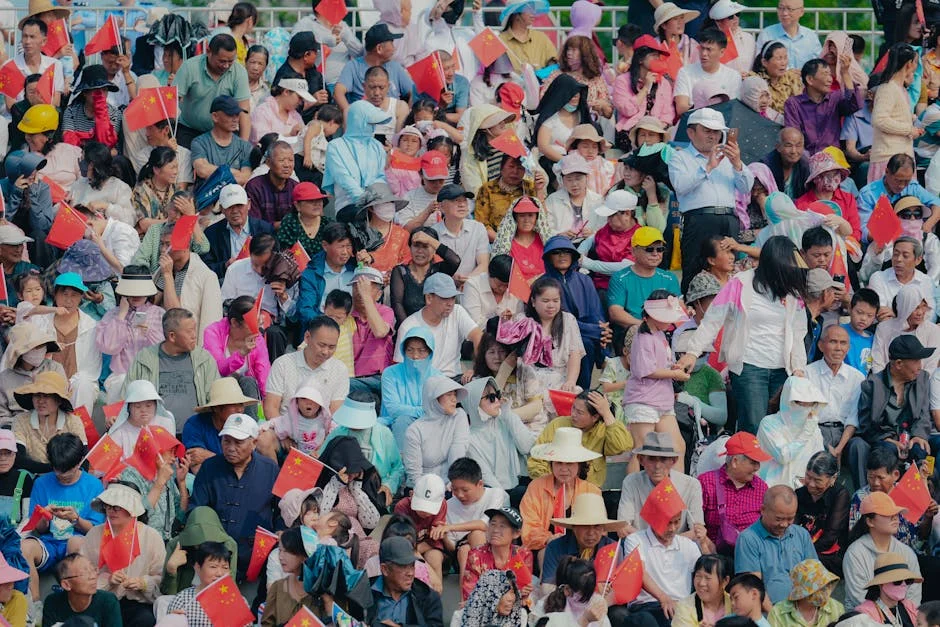
Trump’s visit to China was intended to signal a new era of economic cooperation. However, the public response has been mixed, with many mocking the diplomatic theater. Critics argue that the focus on trade deals distracts from pressing human rights issues. This sentiment is particularly strong among younger demographics who value transparency and accountability.
The mockery is not just about personality; it is about policy. Many believe that the diplomatic overtures lack substance and fail to address the root causes of global instability. In Nigeria, for example, economists are watching closely to see if these agreements will lead to tangible benefits or further complications. The stakes are high, and the public is paying attention.
Political analysts note that this friction reflects a broader trend of skepticism toward traditional diplomacy. Citizens are demanding more than just handshakes and press releases. They want concrete outcomes that improve their lives. This shift in public expectation is forcing leaders to reconsider their strategies.
Gaza Conflict Fuels Global Protest Movements
The war in Gaza has become a focal point for global outrage. Daily casualties and the displacement of thousands have sparked protests in cities around the world. In Cape Town, demonstrators have gathered to demand immediate action from their government. The scale of the protest reflects the depth of emotional investment in the conflict.
These protests are not isolated events. They are part of a larger movement that seeks to hold international powers accountable. Activists argue that the response to Gaza reveals deeper biases in global foreign policy. This perspective resonates with many citizens who feel that their voices are often ignored in diplomatic circles.
The impact of these protests extends beyond the streets. They are influencing political discourse and shaping public opinion. Politicians are feeling the pressure to take a clearer stance on the issue. This dynamic is changing the way leaders approach international relations.
Digital Activism and Traditional Letters
While social media has become a powerful tool for mobilization, traditional letters remain relevant. Many activists are sending formal letters to government officials to ensure their messages are recorded and considered. This approach adds a layer of formality to the protest movement. It also ensures that the demands are clearly articulated and difficult to ignore.
In Nigeria, community leaders are using this dual strategy effectively. They combine online campaigns with formal correspondence to reach a wider audience. This method has proven successful in drawing attention to local issues that are often overshadowed by global headlines. The integration of digital and traditional methods is a key factor in their success.
The use of WhatsApp groups has also been crucial in coordinating efforts. These platforms allow for rapid communication and quick decision-making. Activists can share updates, organize meetings, and distribute resources efficiently. This digital infrastructure has empowered local communities to play a more active role in global debates.
Economic Implications for Regional Communities
The diplomatic tensions between major powers have direct economic implications for regions like West Africa. Trade agreements and investment flows are sensitive to political stability. Any disruption in these relationships can lead to fluctuations in commodity prices and currency values. Nigerian businesses are already bracing for potential changes in the market.
The China impact on Nigeria is a topic of intense discussion among economists. China remains a major trading partner for the region, supplying essential goods and investing in infrastructure. However, political shifts in Beijing or Washington can alter these dynamics. Businesses are closely monitoring developments to adjust their strategies accordingly.
Small and medium-sized enterprises are particularly vulnerable to these changes. They often lack the resources to hedge against market volatility. As a result, they are calling for more stable and predictable trade policies. This demand is putting pressure on local governments to engage more actively in diplomatic negotiations.
Social Impact and Community Response
Beyond economics, the social impact of these geopolitical events is profound. Communities are grappling with questions of identity, solidarity, and justice. The Gaza war, in particular, has sparked conversations about historical parallels and the role of colonialism in modern conflicts. These discussions are taking place in living rooms, classrooms, and community centers across the region.
In South Africa, the connection between the Gaza conflict and local history is strong. Many citizens see echoes of the apartheid era in the current situation. This historical resonance adds emotional weight to the protests. It also motivates citizens to take action, believing that their efforts can make a difference.
Community organizations are playing a vital role in facilitating these conversations. They are hosting town hall meetings, panel discussions, and art exhibitions to explore the issues. These events provide a space for people to share their perspectives and find common ground. The sense of community is strengthening as people come together to address shared concerns.
The Role of Media in Shaping Public Opinion
Media coverage plays a crucial role in shaping how citizens perceive these events. The way news is framed can influence public sentiment and political pressure. In Nigeria, local media outlets are providing in-depth analysis of the China latest news and its implications for the region. This helps citizens make informed decisions about their political engagement.
Social media platforms amplify these messages, reaching a wider audience quickly. However, the speed of information can also lead to misinformation. Citizens are becoming more discerning, fact-checking stories before sharing them. This critical engagement with media is a positive development for democratic discourse.
Journalists are also facing increased pressure to cover these complex issues accurately. They must balance the need for speed with the demand for depth. This challenge requires a nuanced approach to reporting, one that considers multiple perspectives and provides context. The quality of journalism is essential for an informed public.
Future Outlook and Key Developments
As the diplomatic and social dynamics continue to evolve, several key developments will shape the future. The outcome of Trump’s negotiations with China will have lasting effects on global trade and politics. Similarly, the resolution of the Gaza conflict will influence international relations for years to come. Citizens are watching these events with keen interest.
Local governments will need to respond to the growing demands for action. This may involve changes in foreign policy, trade agreements, and social programs. The ability of leaders to adapt to these changes will determine their popularity and effectiveness. The next few months will be critical in testing their resolve.
Communities must remain engaged and informed to ensure their voices are heard. Continued activism, both online and offline, will be essential in holding leaders accountable. The intersection of global politics and local action is where real change happens. Citizens are ready to play their part in shaping the future.
The next major diplomatic summit is scheduled for early next month, where trade tariffs and human rights clauses will be on the agenda. Watch for official statements from the Ministry of Foreign Affairs in Lagos regarding new trade agreements.
See Also
- Mashatile Defends JCPS Strategy Amid MPs' Criticism of Illegal Mining Failures
- Coup: Five things to know about Gabon
The China impact on Nigeria is a topic of intense discussion among economists. China remains a major trading partner for the region, supplying essential goods and investing in infrastructure.
What is the latest news about trumps china visit triggers global outrage amid gaza war?
Why does this matter for politics-governance?
What are the key facts about trumps china visit triggers global outrage amid gaza war?