Nigeria is facing a potential crisis in its oil market stability following the recent announcement that the United Arab Emirates (UAE) plans to withdraw its investments in Nigerian oil. This decision, revealed by Mr Wole Ogunsanya, President of the Petroleum Technology Association of Nigeria, threatens not only Nigeria’s oil exports but also the livelihoods of many citizens dependent on this vital sector.
Impact of UAE Withdrawal on Nigeria’s Oil Exports
With the UAE's exit, Nigeria risks losing a significant portion of its oil market. The UAE has historically been one of Nigeria's key buyers, contributing approximately 20% of Nigeria's oil exports. This withdrawal comes at a time when Nigeria's economy is already grappling with numerous challenges, including fluctuating oil prices and increased competition in the global oil market.
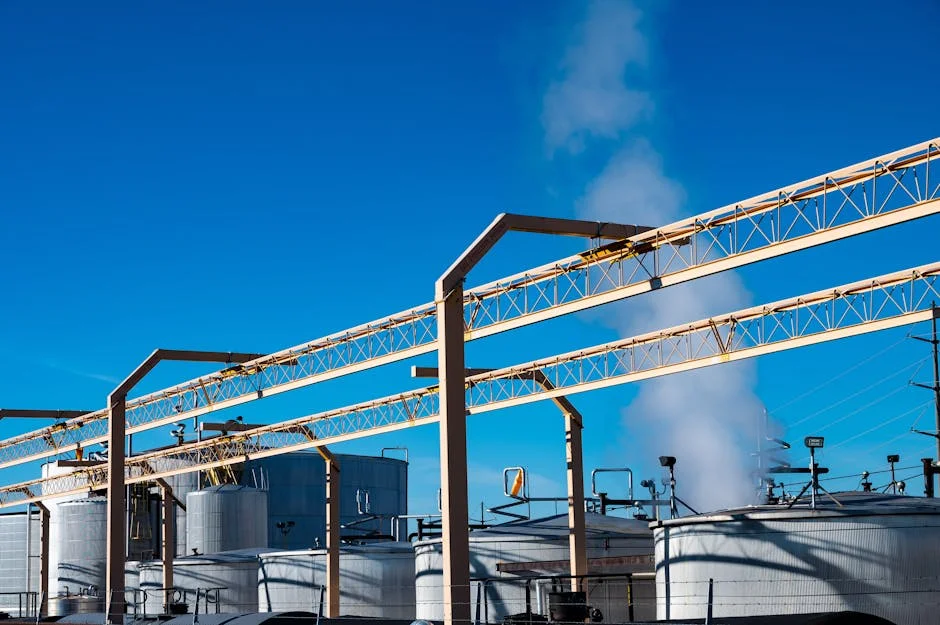
The implications of this exit are profound. Local communities, particularly in oil-producing regions such as the Niger Delta, rely heavily on oil revenues for their economic wellbeing. A drop in exports could lead to reduced government revenue, which, in turn, may affect public services and infrastructure projects critical to local populations.
Need for New Buyers
In light of the UAE's withdrawal, industry experts are urging Nigerian authorities to actively seek new buyers to mitigate potential economic fallout. Mr Ogunsanya emphasised the need for a strategic approach in attracting alternative markets, particularly in Europe and Asia, where demand for oil remains robust.
“We cannot afford to sit back and wait for the situation to resolve itself. Nigeria must diversify its buyers to ensure stability in our oil revenue,” he remarked during a recent conference in Lagos.
Local Economic Consequences
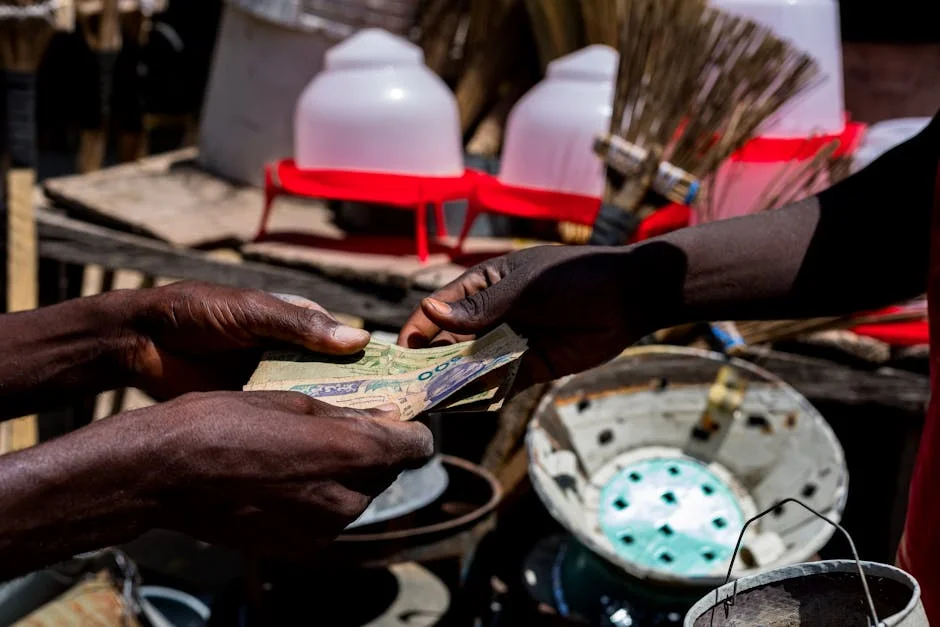
The direct consequences of the UAE exit could be felt immediately in local economies. Businesses that rely on the oil sector, from small vendors to large service companies, could see a decline in demand, impacting jobs and livelihoods. The Nigerian National Petroleum Corporation (NNPC) has warned that any significant drop in oil revenue could lead to budget cuts and delayed payments to contractors and suppliers.
Moreover, the Nigerian naira could face further devaluation, as oil revenue accounts for around 90% of the country's foreign exchange earnings. This situation has already caused inflation, affecting the prices of essential goods and services in local markets.
Community Responses and Future Steps
Communities across Nigeria are beginning to voice their concerns over the potential impact of the UAE's exit. Local leaders are calling for government intervention to safeguard jobs and ensure that essential services are not disrupted. In a recent meeting in Port Harcourt, community representatives discussed strategies to support local businesses that may suffer due to reduced oil revenues.
To address these challenges, Nigeria’s government is urged to implement a recovery plan that includes diversifying its oil market and enhancing relationships with emerging economies. This could involve trade agreements and partnerships that bolster Nigeria's position as an oil supplier.
What’s Next for Nigeria’s Oil Sector?
As Nigeria navigates this complex situation, the focus will need to be on attracting new buyers and stabilising its oil economy. Upcoming trade missions are expected to occur within the next quarter, aiming to connect Nigerian oil producers with potential markets in Asia and Europe.
Furthermore, the government is under pressure to present a clear strategy by the end of the year, ensuring that local communities are not left to bear the brunt of the economic instability caused by the UAE's exit. Citizens will be closely watching how the government responds to safeguard their livelihoods and the country’s economic future.
See Also
- Eluru Police Seize 13 Vehicles in Crackdown on Illegal Activities
- Bengal Voters Cast Ballots As 18.76% Turnout Reported In 2 Hours
What is the latest news about nigeria urged to secure new oil buyers as uae withdrawal disrupts market?
Why does this matter for economy-business?
What are the key facts about nigeria urged to secure new oil buyers as uae withdrawal disrupts market?