Patrice Motsepe has confirmed that the African Football Confederation has addressed the critical deficiencies that marred the 2025 AFCON final in Morocco. The announcement comes as fans across the continent, particularly in Nigeria, scrutinize how the host nation’s logistical choices directly impact the viewing experience and commercial value of Africa’s premier football tournament. This resolution is not merely a bureaucratic update; it represents a tangible shift in how African football is packaged for the global market.
Addressing the Stakes in Casablanca
The 2025 AFCON final between Senegal and Nigeria was a showcase of talent, but it was also a case study in organizational stress. Motsepe, the chairman of the Confederation of African Football (CAF), did not mince words when describing the issues. He acknowledged that certain aspects of the tournament in Morocco required immediate correction to maintain the prestige of the competition. For the average Nigerian fan, these issues were not abstract; they affected ticket prices, broadcast quality, and the overall atmosphere of the event.
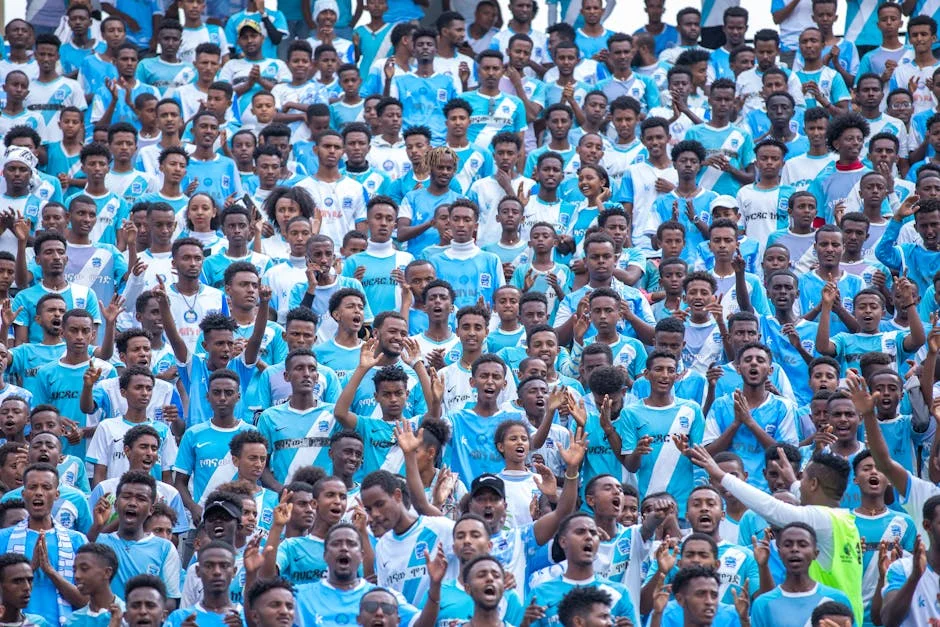
Many Nigerians traveled to Casablanca only to face unexpected hurdles in transportation and accommodation. The cost of living in Morocco surged during the tournament, a common phenomenon in host nations but one that caught many off guard. Motsepe’s confirmation that these deficiencies have been dealt with suggests that CAF is learning from the feedback of fans who invest their hard-earned money to witness the final. This direct engagement with consumer pain points is crucial for the tournament’s long-term viability.
What Is Morocco’s Role in African Football?
To understand the impact on Nigeria, one must first understand what is Morocco’s strategic position in African football. Morocco has long been a powerhouse, using its geographical and economic advantages to attract major tournaments. However, the 2025 AFCON highlighted the tension between traditional hosting models and the modern demands of fans. The country’s infrastructure, while impressive, faced pressure from the sheer volume of visitors from West Africa. This dynamic is critical for understanding how Morocco affects Nigeria and other West African nations.
The relationship between Morocco and Nigeria is complex. On the pitch, they are rivals. Off the pitch, they are economic partners. When Morocco hosts AFCON, Nigerian businesses, airlines, and broadcasters see a direct influx of revenue. However, poor organization can dampen this economic boom. If fans feel cheated by high prices or poor services, they may be less likely to invest in future tournaments hosted by North African nations. This ripple effect extends beyond football, influencing trade and tourism flows between the two countries.
Economic Implications for Nigerian Fans
The financial burden on Nigerian fans was significant. Airfares to Casablanca saw a spike of over 30% in the weeks leading up to the final. Hotels in the city center doubled their rates, forcing many supporters to stay in suburbs or share rooms. These costs are not trivial for the average Nigerian household. When Motsepe speaks of addressing deficiencies, he is indirectly acknowledging the financial strain placed on the fanbase. This is a key aspect of Afcon developments explained by the economic reality on the ground.
Nigerian businesses also felt the impact. Travel agencies reported a surge in bookings, but also a high rate of cancellations due to last-minute logistical issues. Restaurants and shops in Casablanca catered heavily to the Nigerian diaspora and visitors, creating a micro-economy that boosted local earnings. However, the sustainability of this model depends on consistent quality. If the hosting experience is inconsistent, Nigerian investors may become more cautious about supporting future AFCON ventures in Morocco.
The Nigerian Perspective on AFCON
Nigeria is often considered the commercial heart of African football. The Super Eagles’ performance and the size of their fanbase make them a key metric for CAF’s success. Afcon analysis Nigeria reveals that the Nigerian market is sensitive to value for money. Fans are willing to pay, but they demand quality. The deficiencies in the 2025 final were not just about football; they were about respect for the consumer. Motsepe’s response is a direct answer to this sentiment.
The Nigerian Football Association (NFA) has also been vocal about the need for better coordination with CAF. The NFA wants to ensure that Nigerian players and fans are treated fairly during tournaments. This includes everything from kit distribution to media access. The recent confirmation of fixes is a positive step, but it requires sustained effort. The NFA will likely use this as a benchmark for future negotiations with CAF, ensuring that Nigerian interests are protected.
For the local communities in Nigeria, AFCON is a time of national unity. The final match draws millions of viewers, boosting sales for local businesses. From small kiosks selling snacks to large cinemas showing the match, the economic impact is widespread. When the tournament runs smoothly, the joy is amplified. When issues arise, the frustration is palpable. This emotional connection makes the organizational details critical for social cohesion.
Community Response and Social Impact
The social impact of AFCON extends beyond the stadium. In Lagos and Abuja, public viewing centers became hubs of social interaction. People from different walks of life gathered to cheer for the Super Eagles. These events foster a sense of community and shared identity. However, logistical issues can disrupt this harmony. Long queues, poor sound systems, and high prices can turn a celebratory event into a source of stress. Motsepe’s acknowledgment of these issues shows an understanding of the social fabric of African football.
Community leaders in Nigeria have called for better engagement with local stakeholders. They want to see more investment in local infrastructure and more opportunities for local businesses. This is not just about football; it is about leveraging the tournament to drive local development. The deficiencies in Morocco serve as a reminder that hosting a tournament is a shared responsibility. It requires coordination between the host nation, CAF, and the visiting communities.
The response from Nigerian fans on social media was mixed. Many praised the quality of football, but others criticized the organizational glitches. This feedback loop is essential for improvement. CAF must listen to these voices and act on them. The confirmation of fixes is a start, but it must be followed by concrete actions. Fans want to see changes in the next tournament, whether it is in Ivory Coast or elsewhere.
Looking Ahead: What Changes Next?
The resolution of the 2025 AFCON deficiencies sets a precedent for future tournaments. It signals that CAF is willing to adapt and improve. This is a positive sign for the growth of African football. However, the challenge now is to implement these changes effectively. The next AFCON will be a test of this commitment. Fans will be watching closely to see if the promises made by Motsepe translate into tangible improvements.
For Nigeria, the focus will be on leveraging this momentum. The NFA and private sector partners will likely push for greater involvement in the tournament’s organization. This could include better marketing, improved fan experiences, and more commercial opportunities. The goal is to maximize the benefits of AFCON for Nigerian stakeholders. This requires a proactive approach and a willingness to collaborate with CAF.
The coming months will be crucial. CAF will release detailed reports on the 2025 tournament, highlighting successes and areas for improvement. These reports will inform the planning for the next edition. Nigerian fans and businesses should monitor these developments closely. They should also provide feedback to ensure that their voices are heard. The future of African football depends on this continuous dialogue.
As the dust settles on the 2025 AFCON, the focus shifts to the next chapter. The fixes implemented by Motsepe are a step forward, but the journey is ongoing. Nigerian fans, businesses, and communities must remain engaged to ensure that African football continues to thrive. The stakes are high, and the opportunities are abundant. The key is to learn from the past and build a stronger future. Watch for the official CAF report on the 2025 tournament, expected in the next quarter, which will detail the specific changes made and set the stage for the next edition.
See Also
- Nigeria has 100 LGAs with Zero-Dose children – UNICEF
- Father Of Rescued Abducted Kaduna Children Salutes, NSA, CDS