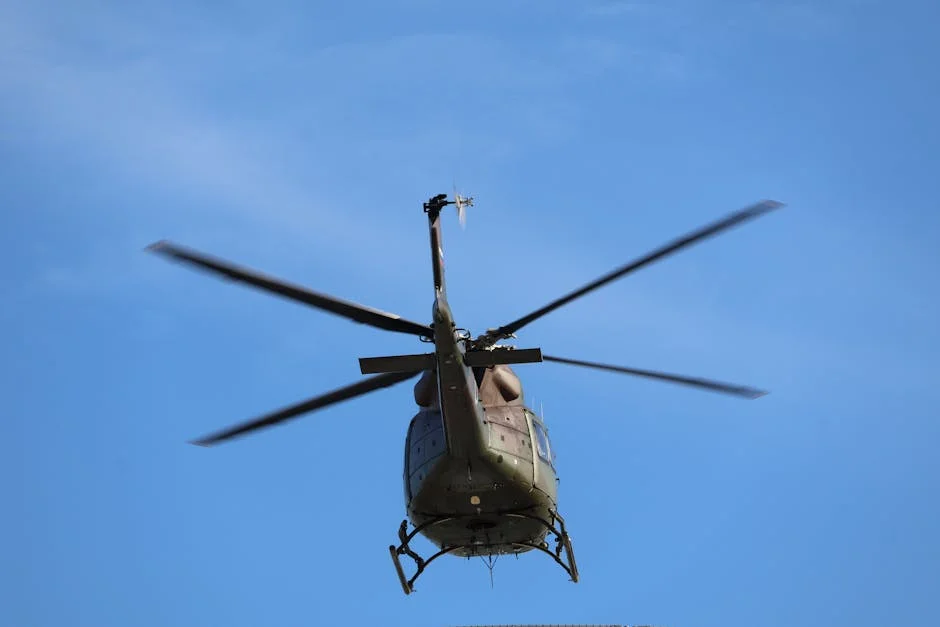
Donald Trump has confirmed a strategic military partnership between the United States and Nigeria aimed at eliminating the top commander of the Islamic State in West Africa Province (ISWAP). This announcement marks a significant escalation in the counter-terrorism efforts in the Lake Chad Basin region, bringing renewed attention to the security challenges facing Northern Nigeria. The collaboration signals a direct intervention by Washington to stabilize a key African ally amidst ongoing insurgencies.
Citizens in Borno State and surrounding regions are watching this development closely, hoping it translates into tangible security improvements. The presence of US military assets and intelligence support could alter the dynamics of the conflict, potentially reducing the frequency of raids on rural communities. However, the effectiveness of this partnership will depend heavily on coordination with local Nigerian forces and the endurance of the ISWAP leadership structure.
Details of the US-Nigeria Military Partnership
The partnership involves a multi-faceted approach combining aerial surveillance, ground troop support, and intelligence sharing between the two nations. Trump emphasized that the US is ready to deploy additional resources to help the Nigerian military track down high-value targets within the ISWAP hierarchy. This move comes after months of diplomatic discussions and preliminary assessments of the security situation in the Northeast.
Nigerian officials have welcomed the American support, viewing it as a crucial boost to their ongoing operations. The Nigerian Army, which has been engaged in a protracted battle against the insurgents since 2013, sees this alliance as an opportunity to regain lost territory. The integration of US technology with local military strategy is expected to enhance the precision of strikes against ISWAP strongholds.
The financial commitment from the US includes both direct funding for equipment and indirect support through training programs for Nigerian soldiers. This investment aims to build long-term capacity within the Nigerian Defence Forces, ensuring they can sustain operations even after the initial US surge. The partnership also includes logistical support, which has often been a bottleneck in the Lake Chad region.
The Target: Top ISWAP Commander
The primary objective of this joint effort is the elimination of the top ISWAP commander, a figure who has eluded capture for years despite numerous military campaigns. This commander has been instrumental in coordinating attacks across Borno, Yobe, and Adamawa states, making him a critical node in the insurgent network. Removing him from the battlefield could disrupt the chain of command and create internal divisions within the group.
Intelligence reports suggest that the commander has been using the dense forests around the Sambisa area to hide from both Nigerian troops and US drones. The US has been conducting regular drone strikes in the region, but the commander's mobility has made him a difficult target. The new partnership aims to close this gap by combining US aerial superiority with Nigerian ground forces' local knowledge.
The capture or killing of this leader would be a psychological blow to ISWAP, potentially demoralizing rank-and-file fighters. It could also encourage defections, as lower-level commanders may question the stability of their leadership. However, history shows that insurgent groups can be resilient, and a successor may quickly emerge to fill the void left by the fallen commander.
Impact on Daily Life in Northern Nigeria
For the millions of citizens living in Northern Nigeria, the security situation directly affects their daily routines and economic activities. Farmers in Borno State often delay planting seasons due to fear of raids, leading to food shortages and rising prices in local markets. A sustained reduction in ISWAP attacks could allow these agricultural communities to return to the fields, boosting local food production and income.
Displaced persons living in camps in Maiduguri are also hopeful that improved security will allow them to return to their homes. Many have been living in temporary shelters for years, facing challenges such as limited access to clean water and healthcare. A successful military campaign could facilitate the repatriation of these IDPs, reducing the burden on local government resources.
Small business owners in the region have also suffered from the instability, with many shops closing during peak raid hours. A more secure environment could encourage investment and trade, revitalizing local economies that have been stagnant for years. The psychological relief of feeling safer can have a profound effect on community cohesion and social stability.
Economic Consequences of Security Improvements
The economic implications of this security push are significant for the broader Nigerian economy. The Northeast region contributes a substantial portion of the country's agricultural output, particularly rice and livestock. Restoring productivity in this sector could help reduce Nigeria's reliance on food imports, thereby improving the balance of trade and stabilizing the Naira.
Furthermore, improved security could attract foreign direct investment to the region, which has historically been seen as risky due to the insurgency. Companies in the energy and mining sectors may be more willing to explore assets in Borno and Yobe if the security situation stabilizes. This could lead to job creation and infrastructure development, benefiting local communities.
However, the cost of maintaining security forces and rebuilding infrastructure will require significant financial resources. The Nigerian government will need to balance military spending with social welfare programs to ensure that the benefits of peace are felt by the average citizen. The US partnership may help offset some of these costs, but domestic fiscal discipline will also be crucial.
Community Response and Local Perspectives
Local communities in the Lake Chad Basin have expressed mixed reactions to the news of the US-Nigeria partnership. While many welcome the potential for increased security, others are concerned about the collateral damage that often accompanies military operations. Past airstrikes have sometimes resulted in civilian casualties, leading to resentment towards both the insurgents and the military forces fighting them.
Community leaders in Borno have called for greater transparency and accountability in the conduct of military operations. They want assurances that civilian lives will be prioritized and that compensation will be provided for those affected by the conflict. Engaging with local stakeholders is essential for building trust and ensuring the long-term success of the security strategy.
Religious leaders in the region have also played a key role in mediating between the military and the civilian population. They have urged both sides to exercise restraint and to work towards a comprehensive peace agreement that addresses the root causes of the conflict. Their influence can help calm tensions and foster a sense of unity among the diverse ethnic and religious groups in the Northeast.
Historical Context of the Conflict
The insurgency in the Lake Chad Basin has evolved significantly since the rise of Boko Haram in the early 2000s. The split within the movement led to the formation of ISWAP, which has since become one of the most formidable insurgent groups in Africa. Understanding this history is crucial for appreciating the complexity of the current security challenge and the need for a multifaceted approach.
Nigeria has invested heavily in its military capabilities over the past decade, but the insurgency has proven to be resilient and adaptable. The group has used tactics such as guerrilla warfare, suicide bombings, and strategic alliances with local communities to sustain their fight. The US partnership aims to address these tactical advantages by leveraging superior technology and intelligence.
The regional dimension of the conflict also cannot be ignored. Neighboring countries like Chad, Niger, and Cameroon have been involved in the fight, forming the Multinational Joint Task Force (MNJTF). The US-Nigeria partnership could strengthen this regional coalition, creating a more unified front against the insurgents. Coordination among these nations is vital for preventing the insurgents from crossing borders and regrouping.
What to Watch Next
The coming weeks will be critical in determining the initial impact of this US-Nigeria partnership. Military analysts will be looking for specific indicators of success, such as the frequency of raids and the capture of key ISWAP fighters. The Nigerian government will also need to communicate its progress to the public to maintain support for the military campaign.
Citizens in Northern Nigeria should monitor local news for updates on security operations and any announcements regarding the status of the top ISWAP commander. The US State Department and the Nigerian Ministry of Defence will likely release statements detailing the scope of the collaboration and the resources being deployed. These updates will provide insight into the strategic priorities of the partnership.
Looking ahead, the long-term success of this initiative will depend on sustained political will and financial commitment from both nations. The Nigerian government must ensure that the military gains are translated into political and social stability in the region. The next major milestone will be the official announcement of the commander's capture or death, which could serve as a turning point in the conflict.
Donald Trump has confirmed a strategic military partnership between the United States and Nigeria aimed at eliminating the top commander of the Islamic State in West Africa Province (ISWAP). The collaboration signals a direct intervention by Washington to stabilize a key African ally amidst ongoing insurgencies. The presence of US military assets and intelligence support could alter the dynamics of the conflict, potentially reducing the frequency of raids on rural communities.Frequently Asked Questions
What is the latest news about trump confirms usnigeria pact to kill top is commander?
Why does this matter for environment-nature?
What are the key facts about trump confirms usnigeria pact to kill top is commander?
Military analysts will be looking for specific indicators of success, such as the frequency of raids and the capture of key ISWAP fighters. What to Watch Next The coming weeks will be critical in determining the initial impact of this US-Nigeria partnership.