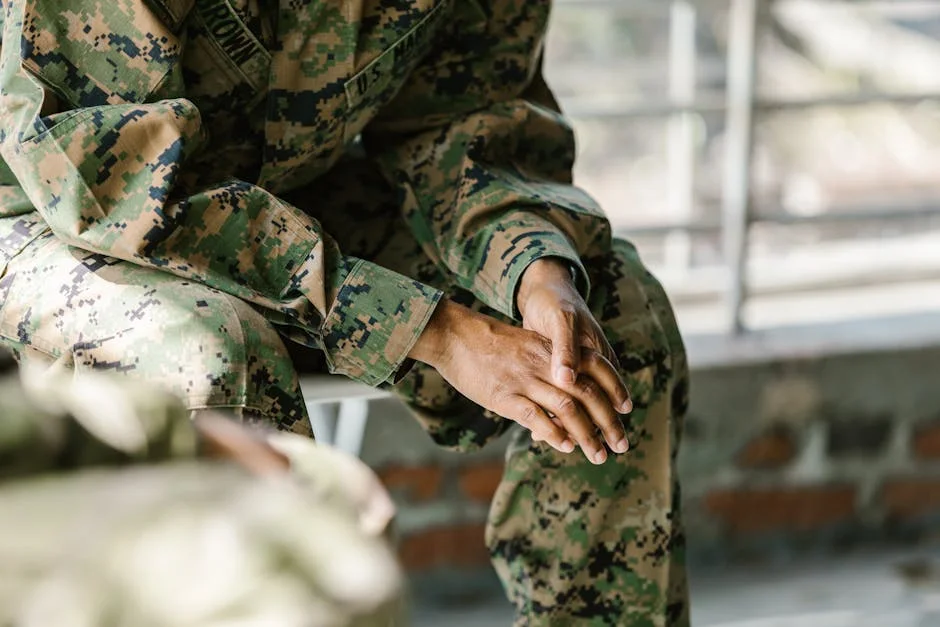
Nigerian communities in the Northeast are pushing back hard against the federal government’s plan to reintegrate former Boko Haram fighters, citing fresh attacks and broken promises. The friction highlights a deepening trust deficit between Abuja and the citizens who have borne the brunt of the insurgency for over a decade. Residents in Borno State, the epicenter of the conflict, argue that the security situation remains too volatile to welcome former insurgents back into their neighborhoods without stricter guarantees.
The Cracks in the Peace Process
The Nigerian military announced the latest phase of the reintegration program earlier this year, aiming to absorb thousands of surrendered fighters into civilian life. This initiative was designed to reduce the burden on detention centers and speed up the return to normalcy in the Lake Chad Basin. However, the pace of surrender has slowed dramatically as local skepticism grows. Many community leaders in Maidugri and its surrounding rural areas feel that the process is being rushed without adequate consultation.

The core of the discontent lies in the perception that the government is prioritizing political expediency over local security. Former fighters are being released or moved to vocational training centers, often in the very towns they once raided. This proximity triggers deep-seated fears among survivors of the 2013 Maidugri massacre and subsequent village burnings. The emotional toll on these communities cannot be understated, as daily life remains defined by the sound of gunfire and the sight of burnt-out homes.
Local Economy Under Pressure
The reintegration effort has direct implications for the fragile local economy of the Northeast. Small businesses in Damaturu and Maidugri are struggling to recover, and the presence of former insurgents creates uncertainty for traders and farmers. Market women report that customers are hesitant to travel to rural markets if there is news of a recent release or a new training camp nearby. This hesitation reduces footfall and stalls the economic revival that the federal government has touted as a key benefit of peace.
Furthermore, the allocation of funds for reintegration has sparked debates over resource distribution. Critics argue that millions of naira are being spent on feeding and housing former fighters, while local infrastructure like roads and schools remain in ruins. This disparity fuels resentment, as citizens question why former enemies receive state support while they continue to struggle with basic amenities. The economic narrative is shifting from gratitude for peace to frustration over perceived inequity.
Community Response and Local Governance
Local councils in Borno State are increasingly taking matters into their own hands to manage the tension. Traditional rulers and ward heads are holding town hall meetings to voice their concerns to the state government. These gatherings are becoming more frequent, reflecting the urgency with which communities view the reintegration process. Leaders are demanding that the federal government provide clearer criteria for who qualifies for reintegration and what safeguards are in place.
The role of community-based organizations has also expanded in response to the pushback. Groups like the Borno State Women’s Forum are advocating for greater inclusion of female survivors in the dialogue. They argue that women, who often bear the brunt of sexual violence and displacement, have a critical stake in the success or failure of the peace process. Their involvement adds a necessary layer of scrutiny to the decisions made by predominantly male military and political leaders.
Security Concerns Remain Paramount
Despite the military’s claims of stability, security incidents continue to plague the region. Recent raids on villages in the Monguno Local Government Area have reignited fears that the insurgency is far from over. These attacks undermine the credibility of the reintegration program, as residents question how former fighters can be trusted when new ones are still emerging from the bush. The security architecture appears porous, with intelligence gaps allowing insurgents to strike with relative ease.
The Nigerian Army faces criticism for not doing enough to secure the borders and the interior simultaneously. Defense analysts point out that the focus on reintegration may have distracted from active combat operations. This strategic shift has left some communities feeling exposed, particularly those on the fringes of the main military bases. The fear is that the reintegration program is becoming a tactical retreat rather than a strategic victory.
The Human Cost of Delayed Justice
For many survivors, the lack of justice is a major barrier to accepting the reintegration of former Boko Haram fighters. Cases of abduction, rape, and murder often go unpunished, creating a sense of impunity among the insurgents. This judicial backlog fuels the demand for accountability before any meaningful reconciliation can take place. Families of the missing continue to march through the streets of Maidugri, holding up photographs of their loved ones as a silent protest.
The psychological impact on the younger generation is also becoming a critical issue. Children who grew up in the shadow of the insurgency are now entering adulthood with mixed feelings about their former neighbors. Some see them as victims of radicalization, while others view them as unrepentant enemies. This generational divide complicates the social fabric, making it harder to build a cohesive community that can support the reintegration efforts.
Political Dynamics and Federal Response
The federal government in Abuja is under pressure to address the growing discontent. Politicians from the Northeast are using the reintegration issue to score points against the ruling party, accusing them of mismanagement and neglect. This political maneuvering adds another layer of complexity to an already difficult situation. The state government in Borno finds itself caught between the federal directive and the demands of its constituents.
Efforts to mediate the conflict have included high-level visits by federal ministers and traditional leaders. These delegations aim to reassure communities that their voices are being heard and that adjustments will be made to the reintegration framework. However, the impact of these visits has been mixed, with some residents viewing them as performative rather than substantive. The need for concrete actions rather than political speeches is becoming increasingly evident.
Looking Ahead: Next Steps for Peace
The path forward requires a more nuanced approach that balances security, justice, and economic development. The federal government must engage more deeply with local stakeholders to ensure that the reintegration process is inclusive and transparent. This includes establishing independent monitoring bodies to track the progress of former fighters and address grievances promptly. Without such measures, the risk of renewed conflict remains high.
Residents in the Northeast are watching closely to see if the next phase of the reintegration program will bring tangible improvements to their daily lives. The upcoming review of the Borno State Peace Plan will be a key moment to assess progress and adjust strategies. Citizens will be looking for concrete signs that the security situation is stabilizing and that their economic prospects are improving. The success of the peace process ultimately depends on the trust of the people who live there.
See Also
- Lawmaker Urges Tinubu to Deploy Security Personnel to End Killings, Banditry in Katsina
- Nigeria's Labour Minister Resigns — and the Impact on Economic Growth Is Clear
The psychological impact on the younger generation is also becoming a critical issue. These attacks undermine the credibility of the reintegration program, as residents question how former fighters can be trusted when new ones are still emerging from the bush.