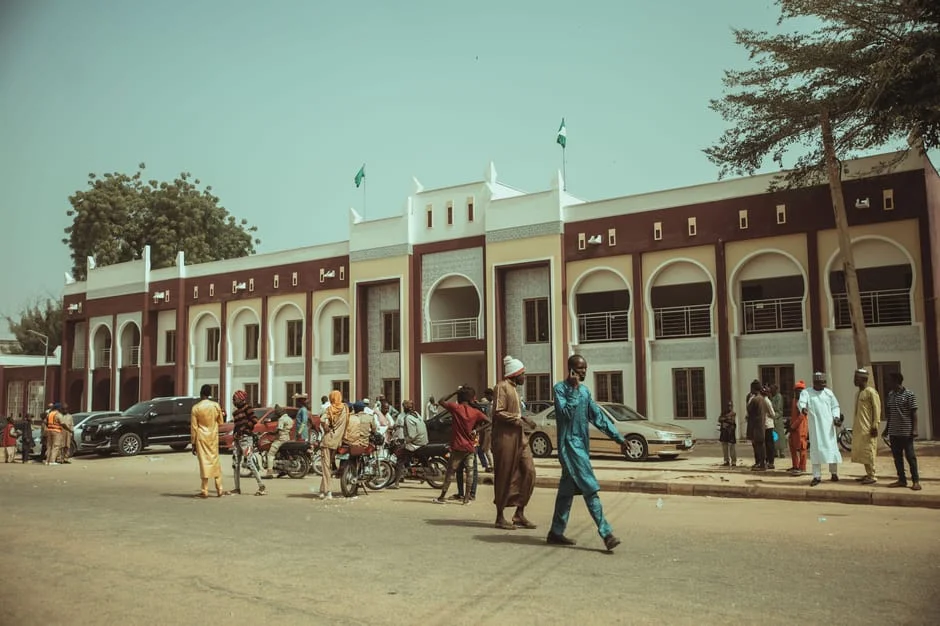
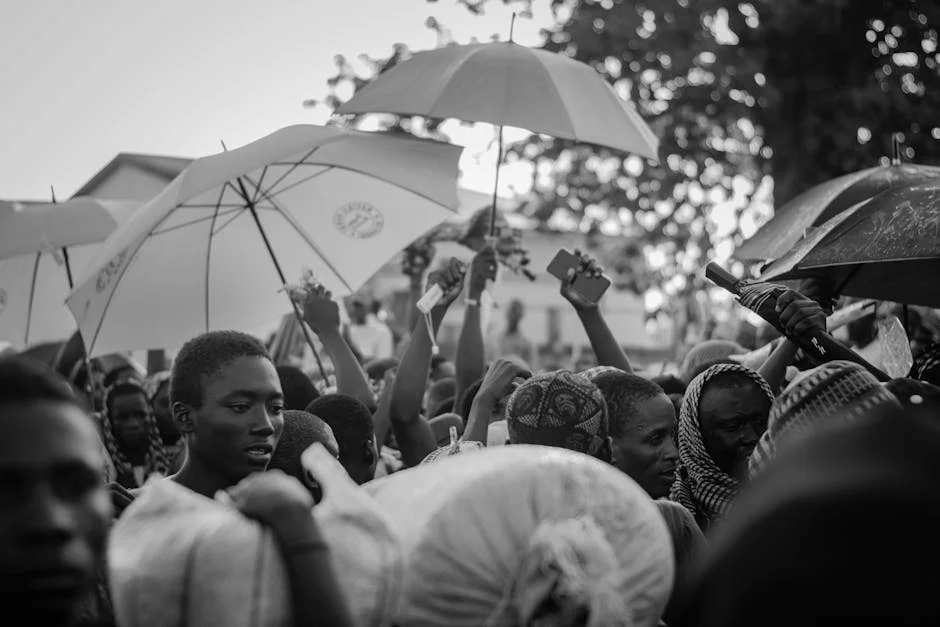
Chad’s military aircraft unleashed a barrage of bombs on the shores of Lake Chad, killing dozens of Nigerian fishermen who were caught in the crossfire of a fierce battle with Boko Haram insurgents. The strikes, which took place in the early hours of Tuesday morning, have sent shockwaves through the communities of Borno State, where families are now scrambling to identify the dead and understand why the allied air force failed to distinguish between combatants and civilians.
This incident marks one of the deadliest single-day casualties for local fishers in the Lake Chad basin in recent months. It exposes the fragile nature of the security arrangement between Nigeria and Chad, two of the four nations that share the shrinking water body. For the citizens of Maidugiri and surrounding villages, the news is not just a statistic; it is a personal tragedy that threatens to disrupt the primary source of protein and income for thousands of households.
The Scene of the Devastation
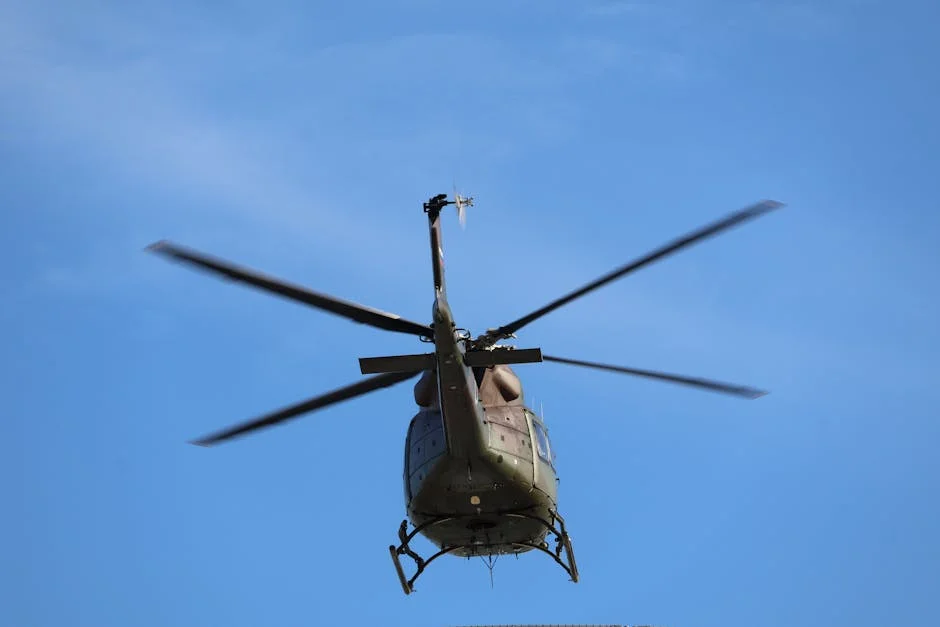
Eyewitnesses near the village of Ngala, close to the tri-border area with Chad and Cameroon, described chaos as the roar of jet engines preceded the explosions. The Chadian Air Force had targeted a large convoy of Boko Haram fighters who had raided a nearby fishing camp. However, the insurgents had taken numerous fishermen hostage or forced them to huddle in the reeds for cover, hoping to use them as human shields against aerial bombardment.
Local community leaders report that at least forty bodies were recovered from the waters and the muddy banks within the first six hours. Many of the victims were young men between the ages of twenty and thirty-five, who had ventured out early to catch tilapia and catfish. The sheer scale of the loss has overwhelmed the local burial societies, which are now asking for financial aid to cover funeral costs for families who have lost their primary breadwinners.
The visual impact of the strikes was severe. Several aluminum fishing canoes were shattered, and the water near the impact zone was stained with oil and blood. Fishermen who survived the initial blast described the noise as deafening, with debris flying as far as two kilometers from the epicenter of the attack. The psychological trauma inflicted on the survivors is expected to linger long after the bodies are buried.
Impact on Local Communities and Economy
The death of dozens of fishermen has immediate economic consequences for the region. Lake Chad is the lifeblood of the local economy in southeastern Borno State. The fish from these waters are sold in markets across Maidugiri, Yola, and even as far as Abuja. With the workforce decimated, the daily catch is expected to drop significantly, leading to a potential spike in fish prices in local markets within the next two weeks.
For the families left behind, the financial strain is immediate. Most of the deceased fishermen did not have life insurance, relying instead on daily wages to feed their households. Women who run the fish trading business in the waterfront markets are now facing a shortage of stock, which could lead to reduced incomes for them as well. This ripple effect threatens to push several households back into poverty, just as they were beginning to stabilize after years of conflict.
Community elders in the affected villages are calling for emergency relief. They argue that the government’s focus on military solutions often overlooks the humanitarian cost borne by the common citizen. The local administration has promised to set up a relief fund, but there is skepticism among residents about how quickly the money will reach those in need. Trust in local governance remains low, and any delay in aid could spark further unrest in the already volatile region.
The Complex Military Alliance
The incident highlights the complexities of the multinational joint task force (MNJTF) that has been battling Boko Haram for over a decade. Nigeria, Chad, Cameroon, and Niger contribute troops and resources to secure the lake and its surrounding lands. However, coordination between these forces is not always seamless, and communication gaps can lead to tragic outcomes like the one in Ngala.
Chad’s military strategy often involves aggressive aerial bombardments to flush out insurgents who use the dense vegetation of the lake’s islands as hiding spots. While this tactic has been effective in reducing the number of Boko Haram fighters, it has also led to several civilian casualties over the years. The Nigerian government has previously raised concerns about the lack of precision in these strikes, urging Chadian pilots to exercise greater caution when operating near populated fishing camps.
Despite these concerns, the alliance remains crucial for regional stability. Without Chadian air support, Boko Haram might have regained more ground in the northern parts of the lake. The challenge for the MNJTF is to balance military efficiency with civilian protection. This incident will likely prompt a review of the rules of engagement, particularly regarding the use of air power in areas with high civilian density.
Political Reactions and Diplomatic Tensions
The Nigerian government has reacted with a mix of grief and diplomatic caution. The Ministry of Foreign Affairs has issued a statement expressing "profound sorrow" over the loss of life and has requested a joint investigation into the incident. Nigerian officials are pushing for transparency, wanting to know exactly how the Chadian pilots identified the targets and why the fishermen were not evacuated or signaled as civilians.
Chad’s President, Idriss Déby, has faced domestic pressure to justify the strikes. His administration argues that the fishermen were used as human shields by Boko Haram, making them legitimate collateral damage in a tactical sense. However, this explanation is not easily accepted by the grieving families in Nigeria, who feel that their lives were treated as expendable in the broader fight against terrorism.
The diplomatic fallout could strain the relationship between Abuja and N’Djamena if not handled carefully. Nigeria is the largest contributor to the MNJTF budget, giving it significant leverage. However, Nigeria also relies on Chad’s military prowess to secure its eastern flank. Finding a middle ground that honors the dead while maintaining the alliance is a delicate task for both governments.
Life on the Water Under Threat
For the fishermen who survived, the decision to return to the lake is fraught with fear. Many are reluctant to venture out until they are sure that the Boko Haram fighters have been fully cleared from the area. The uncertainty makes it difficult to plan their daily routines, leading to a temporary halt in fishing activities in the most affected zones.
The security situation on Lake Chad has always been volatile. Fishermen often travel in groups and carry small arms to defend themselves against raids. However, they are rarely prepared for aerial bombardment. The lack of reliable communication devices, such as radios or smartphones with strong signal coverage, makes it hard for them to send out distress signals or receive warnings from the military.
Local NGOs are now pushing for better communication infrastructure for the fishing communities. They argue that simple tools like VHF radios could have helped coordinate a safer evacuation or provided the Chadian pilots with real-time data about the location of civilians. This incident serves as a stark reminder of the technological gap between the modern military equipment and the traditional lifestyle of the lake’s inhabitants.
What Families Are Demanding
Grieving families are not just looking for answers; they are demanding tangible support. They want the government to provide immediate financial compensation for each deceased fisherman. Beyond money, they are asking for scholarships for the children of the dead, ensuring that the next generation does not suffer academically due to the loss of their father’s income. These demands are being presented through local union leaders who are negotiating with state officials.
There is also a call for better identification systems for fishermen. Families suggest that all registered fishermen should wear a distinct colored vest or carry a flag that can be easily spotted from the air. This simple measure could help pilots distinguish between armed insurgents and civilian fishers during future strikes. The local government has agreed to pilot this program in the most affected villages within the next month.
Community leaders are also urging the military to establish a clearer communication channel with local chiefs. Before launching any major strike, the military should inform local leaders so they can gather their people and move them to safer zones. This collaborative approach could prevent future tragedies and build trust between the military and the civilian population.
Looking Ahead: Next Steps for the Region
The joint investigation team, comprising officials from Nigeria and Chad, is expected to release its preliminary findings within two weeks. This report will be crucial in determining whether any disciplinary action will be taken against the Chadian pilots or if the incident will be classified as an act of war. The Nigerian government has made it clear that they will not rest until justice is served for the dozens of lives lost.
Meanwhile, the local communities in Borno State are preparing for the upcoming harvest season, which is critical for their economic recovery. The success of this season will depend on the stability of the lake and the morale of the surviving fishermen. If security does not improve, many may be forced to migrate to other parts of Nigeria, further depleting the region’s workforce and exacerbating the local economic crisis.
Citizens in the region should watch for announcements from the Ministry of Labour regarding the relief fund distribution. The timeline for this aid is set to begin in the first week of next month, with priority given to the largest families. Staying informed through local radio stations and community meetings will be essential for ensuring that the aid reaches the right hands and provides some measure of comfort to the grieving families.
See Also
- Merthe Voorhoeve Reveals Giga Chad's Digital Armour: What It Means for Africa's Growth
- South Africa’s Smart Warehouses Demand Human Staff — Addressing Skills Gap
Nigeria is the largest contributor to the MNJTF budget, giving it significant leverage. Families suggest that all registered fishermen should wear a distinct colored vest or carry a flag that can be easily spotted from the air.
What is the latest news about chad air strikes kill dozens of nigerian fishermen?
Why does this matter for technology-innovation?
What are the key facts about chad air strikes kill dozens of nigerian fishermen?