The geopolitical friction in the Strait of Hormuz has sent shockwaves through the agricultural sector in Malawi, forcing local farmers and consumers to brace for immediate price hikes. This distant conflict disrupts the critical supply chain of wheat and fertilizer, two commodities that Malawi imports heavily to sustain its food security. The ripple effect is already visible in markets across Lilongwe, where bread prices are beginning to climb as shipping routes face uncertainty.
Supply Chain Disruptions Hit Malawi Hard
Malawi is not traditionally thought of as a hub for global trade routes, yet its agricultural economy is deeply intertwined with international logistics. The country imports a substantial portion of its wheat from Europe and the Middle East, with goods often transiting through the Suez Canal and the Red Sea before reaching the Port of Dar es Salaam in Tanzania. Any blockage or delay in the Gulf region directly impacts the speed and cost of these deliveries.
Shipping companies are now imposing war risk premiums on vessels passing through the Strait of Hormuz, which accounts for a significant percentage of global oil and grain transit. These additional costs are passed down the supply chain, eventually landing on the consumer in Malawi. Local importers report that lead times for wheat shipments have increased by two to three weeks, creating a buffer stock deficit that threatens to empty silos faster than anticipated.
The vulnerability of Malawi’s import dependency is stark. While the country is known for its maize production, wheat remains a staple for urban populations and the growing middle class in cities like Blantyre and Lilongwe. When global logistics stutter, the Malawian baker feels the pinch almost immediately. This dynamic exposes the fragility of landlocked nations that rely on complex, multi-modal transport networks to feed their citizens.
Local Markets React to Rising Prices
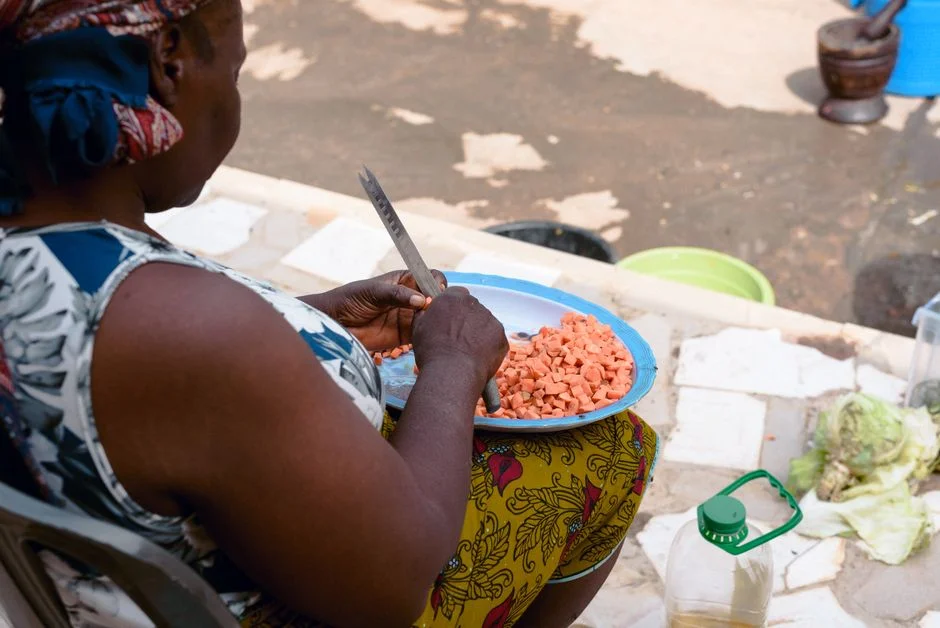
In the bustling markets of Lilongwe, the abstract concept of a "Gulf standoff" translates into tangible financial pressure for everyday shoppers. Vendors are quietly adjusting prices for flour and bread, anticipating a surge in demand as consumers rush to buy before costs escalate further. The psychological impact of price volatility is as damaging as the actual monetary increase, leading to cautious spending and reduced consumption of non-essential food items.
Local traders express frustration over the lack of immediate relief measures. They argue that the government’s focus has often been on maize, the primary crop, while wheat remains somewhat of an afterthought in national food security strategies. This perception has led to a sense of urgency among smallholder farmers who are looking to diversify their crops to reduce reliance on imported wheat, though this shift requires time and investment.
Impact on Smallholder Farmers
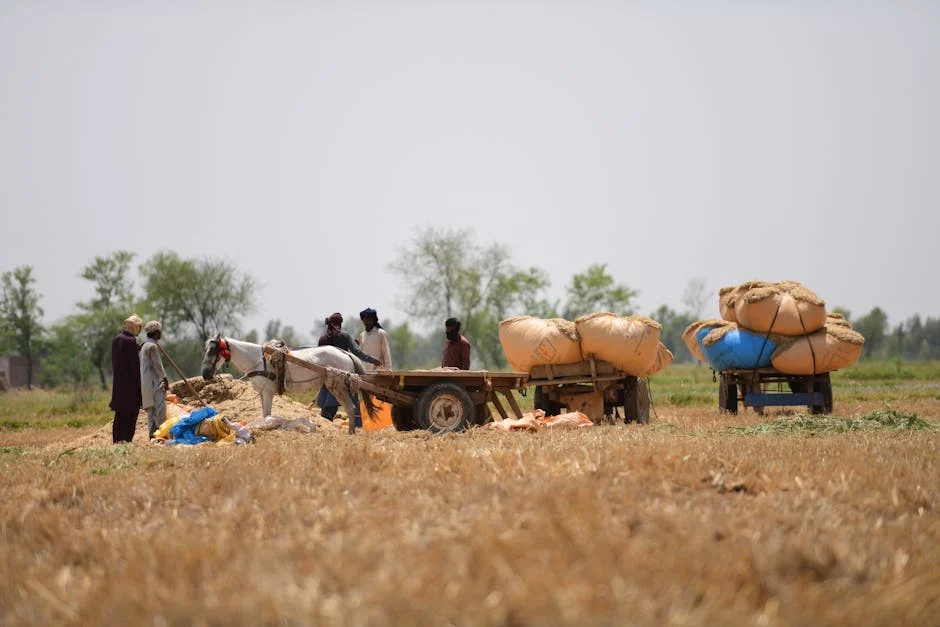
Smallholder farmers in Malawi are caught in a pincer movement. On one hand, they face rising input costs, particularly for fertilizers and diesel, which are also affected by Gulf oil prices. On the other hand, they are trying to capitalize on the opportunity to grow more wheat, but the crop requires specific climatic conditions and timely planting. The delay in fertilizer deliveries means that some farmers in the Central Region are already behind schedule, which could reduce yields for the upcoming harvest season.
The economic strain on these farmers is compounded by currency fluctuations. The Malawian Kwacha has faced pressure due to broader regional economic factors, and a weaker currency makes imported inputs even more expensive. This double blow reduces the profit margins for farmers, discouraging them from expanding wheat production despite the high demand. The situation highlights the need for more robust agricultural policies that protect smallholders from external shocks.
Government Response and Policy Adjustments
The Malawian government, led by the Ministry of Industry and Trade, has acknowledged the growing tension in the Gulf and its potential impact on domestic prices. Officials have convened emergency meetings with key stakeholders, including importers, transporters, and retailers, to assess the situation and formulate a response. The government is considering strategic releases from the national grain reserve to stabilize prices and prevent panic buying.
Minister of Industry and Trade, James Nkhoma, has emphasized the need for a coordinated effort to mitigate the effects of the shipping standoff. He stated that the government is in talks with international partners to secure alternative shipping routes and negotiate better freight rates. However, these diplomatic efforts take time, and the immediate challenge is to keep prices stable in the short term to prevent inflation from spiraling out of control.
Critics argue that the response has been somewhat reactive rather than proactive. They point out that Malawi’s heavy reliance on imports makes it vulnerable to global disruptions, and that more needs to be done to boost local production. The government’s strategy to increase wheat cultivation through the Smallholder Irrigation Development Project is seen as a long-term solution, but it requires consistent investment and policy support to yield results.
The Role of Regional Trade Agreements
Malawi is part of the Common Market for Eastern and Southern Africa (COMESA), which offers some degree of trade flexibility among member states. In the event of a prolonged disruption in the Gulf, Malawi could potentially increase imports from neighboring countries like Zambia or Zimbabwe, which have more robust agricultural sectors. However, this option is limited by the capacity of these countries to export surplus wheat and the logistics of cross-border trade.
Regional cooperation is crucial in times of crisis. COMESA has been working to harmonize trade policies and reduce non-tariff barriers, which could facilitate smoother movement of goods within the region. If Malawi can leverage these agreements effectively, it could reduce its dependence on distant suppliers and create a more resilient food system. This would involve investing in regional infrastructure, such as railways and roads, to improve connectivity.
The African Continental Free Trade Area (AfCFTA) also presents an opportunity for Malawi to diversify its trade partners. By tapping into the broader African market, Malawi could find alternative sources of wheat and other agricultural products. However, realizing the full potential of AfCFTA requires significant effort in terms of policy alignment and infrastructure development. The current Gulf standoff serves as a reminder of the importance of regional integration in enhancing food security.
Social Impact and Community Resilience
The social impact of rising food prices is profound, particularly for low-income households in Malawi. Food inflation erodes purchasing power, forcing families to make difficult choices between food, education, and healthcare. This can lead to increased food insecurity and malnutrition, especially among children and the elderly. Community-based organizations are stepping up to fill the gaps, providing food aid and financial assistance to the most vulnerable members of society.
Grassroots movements are also advocating for policy changes that prioritize local production and reduce import dependency. These groups argue that empowering smallholder farmers is the key to building a resilient food system. They are pushing for investments in irrigation, storage facilities, and rural roads to improve the efficiency of the agricultural sector. Community resilience is being tested, but there is a growing sense of agency and determination to address the root causes of food insecurity.
The social fabric of Malawi is being strained by the economic pressures, but there is also a sense of solidarity. Neighbors are helping each other, and local leaders are mobilizing resources to support those in need. This communal spirit is a vital asset in times of crisis, providing a safety net for those who are most affected by the rising costs. Strengthening these community networks can help Malawi weather the storm and emerge stronger on the other side.
Looking Ahead: What to Watch Next
The situation in the Gulf remains fluid, and the impact on Malawi will depend on the duration and intensity of the shipping standoff. If the tensions ease quickly, the price increases may be temporary, but a prolonged conflict could lead to more significant and lasting effects on Malawi’s food security. The government’s ability to manage the crisis will be tested in the coming weeks, and its response will shape public perception and policy direction.
Stakeholders should monitor the announcement of new shipping routes and the potential for alternative supply chains. The performance of the Malawian Kwacha will also be a key indicator of the economic impact. Additionally, the progress of local wheat production initiatives will be crucial in determining the long-term resilience of the agricultural sector. The next quarterly economic report from the Reserve Bank of Malawi will provide valuable insights into the inflationary pressures and the effectiveness of government interventions. Citizens should prepare for potential further adjustments in food prices and support local agricultural efforts to build a more sustainable food system.
See Also
- Femi Azeez Signs for Super Eagles — What Changes for Nigerian Fans
- Nigeria Embraces Big Tech to Revive Gas Industry Amid AI Surge
What is the latest news about malawi farmers face crisis as gulf shipping standoff triggers food price surge?
Why does this matter for technology-innovation?
What are the key facts about malawi farmers face crisis as gulf shipping standoff triggers food price surge?