Gabon has tightened its grip on social media access, sparking immediate backlash from local activists who warn of a growing digital silence across the nation. This move restricts how citizens in Libreville and other key urban centers communicate, share news, and organize, raising urgent questions about civil liberties in Central Africa. The clampdown comes at a critical juncture for the nation’s political landscape, where information flow is often as volatile as the economy.
Libreville Faces Restricted Digital Space
The government’s decision to limit access to major social media platforms has directly impacted daily life for thousands of residents. In Libreville, the capital city, users report intermittent connectivity and sudden blocks on popular apps like WhatsApp, Facebook, and Twitter. These disruptions are not merely technical glitches but strategic moves to control the narrative during periods of political tension. Citizens who rely on these platforms for business, education, and social connection are now facing unprecedented hurdles.
Local entrepreneurs in the Bonapriso district have already felt the economic sting. Small business owners who use Instagram and Facebook Marketplace to reach customers find their sales pipelines disrupted. This digital friction translates directly to lost revenue and increased operational costs. For a community heavily reliant on the informal economy, the loss of seamless digital communication is a tangible financial blow.
Activists Sound the Alarm on Civil Liberties
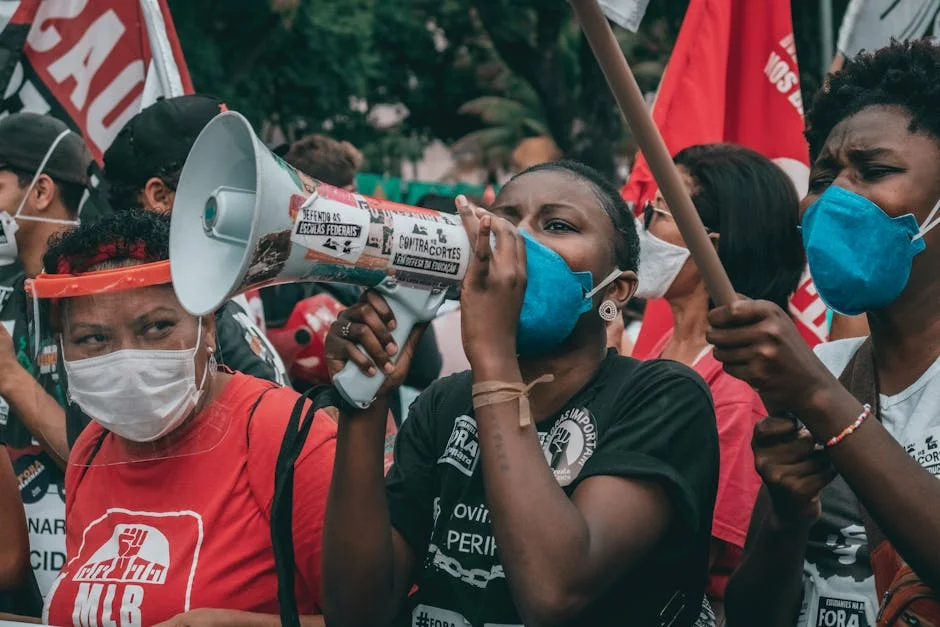
Local activists are describing the situation as a blatant disregard for fundamental rights. Groups such as the Gabonese Observatory for Human Rights (ODGA) have issued statements condemning the lack of transparency in the government’s digital policies. They argue that without a clear legal framework, the executive branch holds unchecked power over what citizens can read, write, and share. This uncertainty creates a chilling effect on public discourse.
Why Activists Matter in the Digital Age
Understanding why activists matter is crucial for grasping the depth of this crisis. These individuals are not just protesting; they are the first line of defense against digital authoritarianism. Their analysis of the situation highlights how digital tools have become essential for accountability in nations where traditional media often faces censorship. When activists are silenced, the check on governmental power weakens significantly. Their work ensures that the digital divide does not become a tool for political exclusion.
Furthermore, the role of activists extends beyond the screen. They organize town halls, distribute printed flyers, and coordinate offline meetings to supplement the digital void. This hybrid approach demonstrates resilience but also reveals the extra burden placed on civil society. The energy spent navigating digital barriers is energy diverted from other social and economic reforms. This dynamic reshapes the entire civic landscape in Gabon.
Virtual Private Networks Become the Lifeline
As direct access wanes, the demand for Virtual Private Networks (VPNs) has surged. These tools allow users to mask their location and bypass government-imposed blocks, offering a semblance of freedom in a constrained digital environment. However, the reliance on VPNs introduces new vulnerabilities. Not all providers are created equal, and many free options come with hidden data costs or security risks. Citizens must now become tech-savvy to protect their privacy.
The developments explained regarding Virtual Private Networks show a clear trend: digital tools are becoming political instruments. In Gabon, using a VPN is no longer just a convenience for streaming Netflix; it is a strategic choice for accessing unfiltered news. This shift forces ordinary citizens to engage with technology in ways they might not have considered necessary just months ago. The learning curve is steep, and not everyone can afford premium, secure services.
Moreover, the impact on Nigeria and other West African neighbors cannot be ignored. Regional digital policies often influence one another. If Gabon successfully suppresses digital dissent through heavy-handed VPN regulation, neighboring countries might follow suit. This creates a ripple effect that could alter the digital rights landscape across the entire continent. Observers are watching closely to see if this model becomes the new standard for African digital governance.
Economic Consequences of Digital Fragmentation
The economic implications of this social media clampdown are profound. For a country like Gabon, where the service sector is growing rapidly, digital connectivity is an economic driver. Restrictions on platforms like LinkedIn and Twitter hinder professional networking and job hunting. Graduates in Libreville find it harder to showcase their portfolios to international employers. This creates a bottleneck for talent mobility and economic growth.
Small and medium enterprises (SMEs) are particularly vulnerable. Many rely on targeted digital advertising to reach niche markets. When algorithms change or access is throttled, the return on investment for these ads drops sharply. Business owners must now spend more on traditional marketing methods, which are often more expensive and less measurable. This inefficiency slows down the overall economic dynamism of the region.
Investors are also taking note. A stable and open digital environment is a key factor in foreign direct investment decisions. If digital rights are perceived as fragile, tech companies may hesitate to expand their operations in Gabon. This could lead to a brain drain, as local tech startups seek more favorable environments in neighboring countries like Ghana or Nigeria. The long-term cost could be a stagnation of the digital innovation ecosystem.
Community Response and Grassroots Resilience
Despite the top-down pressures, communities are responding with remarkable resilience. In neighborhoods like Ozilambo, residents are organizing local Wi-Fi cooperatives to share bandwidth and reduce individual costs. These grassroots initiatives foster a sense of community and mutual aid. They demonstrate that when central control tightens, local solutions often emerge to fill the gap. This bottom-up approach is empowering citizens and strengthening social bonds.
Local influencers and bloggers are also adapting. They are diversifying their content distribution across multiple platforms to mitigate the risk of being blocked. Some are moving towards decentralized platforms or using email newsletters to reach their audience directly. This diversification strategy ensures that their message reaches readers even if one channel is disrupted. It is a practical lesson in digital redundancy that citizens are quickly learning.
Education sectors are not immune either. Teachers and students are finding new ways to collaborate online. When learning management systems face connectivity issues, educators are turning to hybrid models that combine online resources with offline activities. This adaptability is crucial for maintaining educational continuity. It shows that the human element remains the most powerful tool in overcoming technological barriers.
Looking Ahead: What to Watch Next
The situation in Gabon is fluid, and several key developments will determine the future trajectory of digital rights. The upcoming parliamentary session will likely see debates on a new digital charter, which could formalize the current informal restrictions. Citizens should watch for specific clauses that define the scope of government oversight on social media. These details will dictate how much freedom users can expect in the coming months.
Additionally, the reaction of regional bodies like the Economic Community of Central African States (ECCAS) will be telling. If neighboring countries adopt similar measures, it could signal a broader regional shift towards digital conservatism. Conversely, if they push back, it might isolate Gabon’s approach. Monitoring these diplomatic and economic signals will provide clarity on the long-term outlook for digital freedom in the region. The next quarter will be critical for understanding the final shape of Gabon’s digital landscape.
Frequently Asked Questions
What is the latest news about gabon slams internet access activists fear digital silence?
Gabon has tightened its grip on social media access, sparking immediate backlash from local activists who warn of a growing digital silence across the nation.
Why does this matter for politics-governance?
The clampdown comes at a critical juncture for the nation’s political landscape, where information flow is often as volatile as the economy.
What are the key facts about gabon slams internet access activists fear digital silence?
In Libreville, the capital city, users report intermittent connectivity and sudden blocks on popular apps like WhatsApp, Facebook, and Twitter.
A stable and open digital environment is a key factor in foreign direct investment decisions. They demonstrate that when central control tightens, local solutions often emerge to fill the gap.