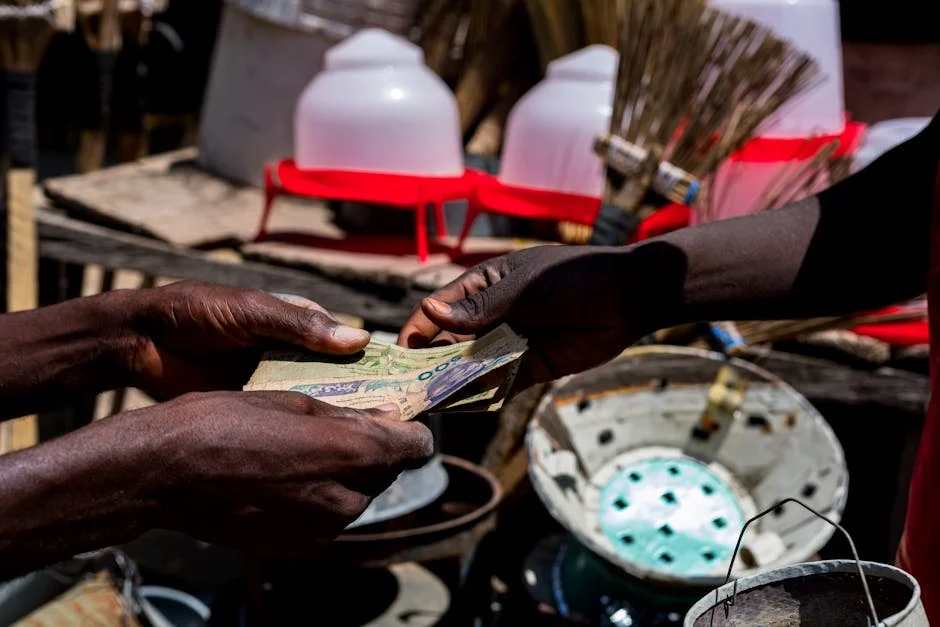
Fitch Ratings has officially upgraded Ghana’s sovereign credit rating to B+ with a stable outlook, marking the highest level the West African nation has seen in five years. This decision reflects tangible progress in Accra’s fiscal consolidation efforts, particularly the reduction in primary deficits and the stabilization of the local currency. For citizens in Accra and surrounding regions, this is not merely a financial statistic; it signals a potential easing of the cost of living and improved access to foreign investment.
Fitch Confirms Ghana’s Economic Turnaround
The rating agency cited Ghana’s improved fiscal discipline as the primary driver for the upgrade. Ghana has managed to reduce its primary fiscal deficit significantly, moving closer to the targets set out in its initial bond restructuring deal. This achievement distinguishes Ghana from several peers in the Commonwealth of Independent States and other emerging markets that have struggled with persistent deficits.
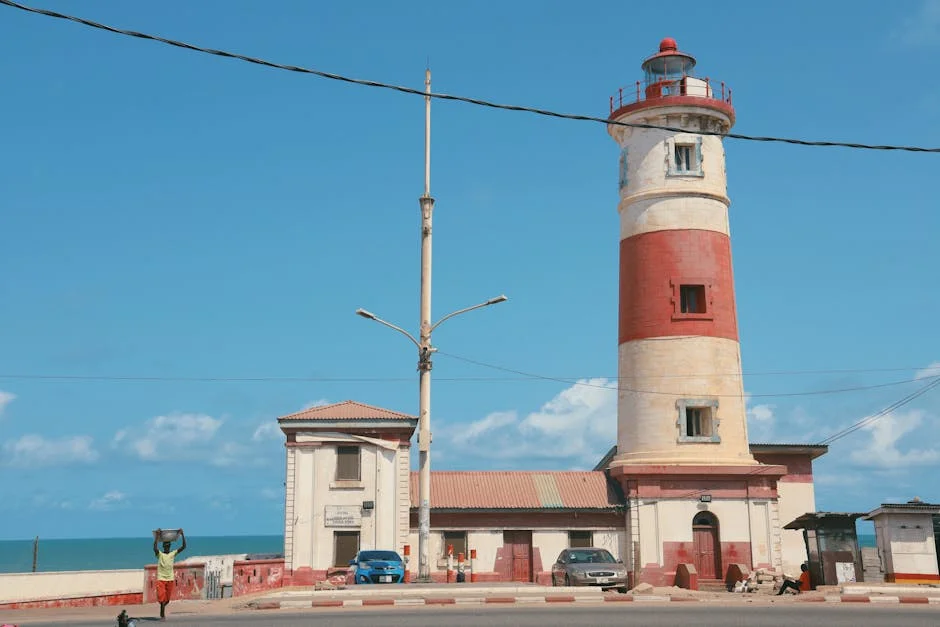
Fitch’s analysis highlights that Ghana’s primary balance has turned positive, a critical metric for creditors. The government has successfully implemented a series of austerity measures, including the introduction of the Economic Substance Tax and reforms within the Ghana Revenue Authority. These steps have helped restore some confidence among international lenders who were previously wary of Ghana’s debt sustainability.
The upgrade to B+ means that Ghana is now viewed as having a higher capacity to meet its financial obligations compared to just two years ago. This shift is crucial for a country that emerged from its first default since independence in 2013. The stable outlook suggests that unless major policy shifts occur, this positive trajectory is likely to continue into the next fiscal year.
Real-World Impact on Ghanaian Households
For the average citizen in Kumasi or Takoradi, the abstract concept of a credit rating translates directly into the price of bread, fuel, and electricity. A higher credit rating typically leads to lower borrowing costs for the government, which can reduce the pressure to raise taxes or increase interest rates. This relief can trickle down to households, potentially slowing the pace of inflation that has eroded purchasing power over the last three years.
Lower Borrowing Costs Mean Cheaper Goods
When a country’s credit rating improves, international banks are willing to lend at lower interest rates. For Ghana, this means the government can issue bonds at a cheaper cost compared to its peers like Kenya or Nigeria. These savings can be used to subsidize key imports such as wheat and petroleum, which are major components of the consumer price index. Lower import costs directly contribute to stabilizing the prices of essential goods in local markets.
Additionally, a stronger rating can help stabilize the cedi. Currency stability is vital for controlling inflation. If the cedi holds its value better against the US dollar, imported goods become more affordable. This is particularly important for sectors like construction and manufacturing, which rely heavily on imported raw materials. As these sectors stabilize, job security and wage growth may see modest improvements.
Job Market and Local Business Growth
Small and medium-sized enterprises (SMEs) in Ghana often struggle with high interest rates. A positive credit rating can encourage local banks to lower lending rates for businesses. This accessibility to credit allows SMEs to expand, hire more staff, and invest in new equipment. For the youth in urban centers, this could mean more job opportunities in the retail and service sectors, which are major employers in Ghana.
Foreign direct investment (FDI) is also likely to increase. International investors prefer countries with stable credit profiles. More FDI means new factories, offices, and infrastructure projects. These projects create direct employment and also stimulate local supply chains. For example, a new manufacturing plant in the Greater Accra Region will need local suppliers for packaging, logistics, and maintenance services.
Regional Ripples Across West Africa
Ghana’s economic recovery has implications for the entire West African Monetary Union (WAEMU) and the broader Economic Community of West African States (ECOWAS). As the second-largest economy in the sub-region, Ghana’s stability can help anchor regional trade. Neighboring countries like Togo and Burkina Faso often look to Ghana as an economic barometer. A stronger Ghanaian cedi can make Ghanaian exports more competitive, potentially boosting trade balances for neighboring nations.
However, the competition for foreign investment may also intensify. Countries like Nigeria and Kenya are also working to improve their credit ratings. Ghana’s success sets a benchmark that may force other regional governments to accelerate their own fiscal reforms. This competitive dynamic can be beneficial for the region, as it encourages better governance and economic management across multiple borders.
For traders and businesses operating across borders, Ghana’s improved rating reduces the risk premium associated with cross-border transactions. This can lead to smoother supply chains and more predictable pricing for goods moving between Accra, Lomé, and Lagos. Stability in one major economy often creates a ripple effect of confidence throughout the trading bloc.
Challenges That Remain Unresolved
Despite the positive news, Ghana still faces significant economic headwinds. The country’s debt-to-GDP ratio remains high, hovering around 85%. This means that a large portion of the national budget goes toward servicing debt, leaving less room for social spending on health and education. Citizens may not see immediate, dramatic changes in their daily lives because the government must balance debt repayment with public service delivery.
Infrastructure deficits also persist. Many roads, schools, and hospitals require urgent maintenance and upgrades. While the credit rating upgrade helps, it does not instantly fix potholes or power outages. The government must strategically allocate the savings from lower borrowing costs to these critical areas. If the savings are absorbed by other budgetary pressures, the tangible benefits for citizens may be delayed.
Political stability is another factor. The next general elections will be a key test for the current fiscal policy. Investors and rating agencies will watch closely to see if the incoming administration maintains the fiscal discipline that led to the upgrade. Any sudden shift in economic policy could quickly erode the confidence that Fitch has just restored.
What Citizens Should Watch Next
The coming months will be critical for translating this credit rating upgrade into tangible benefits. Citizens should monitor the quarterly inflation reports and the performance of the cedi. If inflation begins to cool and the cedi stabilizes, it will be a direct result of the improved credit profile. These indicators are the most direct measures of how the upgrade affects daily life.
Government spending plans will also be under scrutiny. Watch for announcements regarding infrastructure projects and social welfare programs. If the government uses the lower borrowing costs to fund new schools or hospitals, it will signal a successful translation of financial metrics into social outcomes. Conversely, if spending remains tight, the benefits may remain largely financial rather than social.
International markets will also react to Ghana’s performance. Keep an eye on the prices of Ghanaian Eurobonds. If the yield on these bonds continues to fall, it indicates that global investors are confident in Ghana’s economic direction. This global confidence is the foundation for the local economic improvements that citizens hope to see. The next major update from Fitch Ratings is expected in six months, which will provide another checkpoint for the economy’s progress.
See Also
- Nigeria Seeks New Oil Buyers As UAE Exit Triggers Market Jitters
- Kingibe Urges Unity Among Muslim Ummah Ahead of Eid-El-Adha Celebrations
Stability in one major economy often creates a ripple effect of confidence throughout the trading bloc. Challenges That Remain Unresolved Despite the positive news, Ghana still faces significant economic headwinds.