The Nigerian Senate has officially reversed the controversial Principal Offices rule, a procedural shift that fundamentally alters the balance of power within the upper chamber. This decisive move comes after weeks of intense negotiation and political maneuvering in Abuja, setting the stage for a new era of legislative dynamics. The reversal has immediately triggered a sharp reaction from key political figures, with former Senate President Godwin Oshiomhole leading the critique.
Understanding the Principal Offices Rule
The Principal Offices rule was designed to streamline the legislative process by allowing the Senate President to appoint key committee chairs without needing unanimous consent from all 109 senators. This mechanism was intended to reduce gridlock and speed up the passage of bills, particularly during critical budget seasons. However, the rule often faced accusations of centralizing too much power in the hands of the Senate President, marginalizing minority party voices.
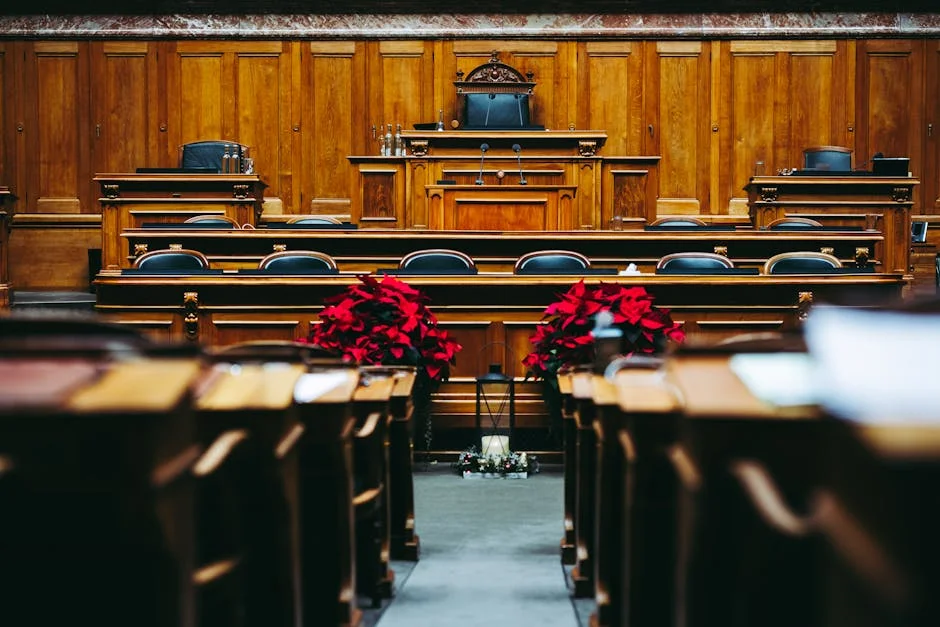
By reversing this rule, the Senate has returned to a more traditional, consensus-driven approach. This means that the appointment of committee chairs now requires broader agreement among senators, giving smaller parties and individual lawmakers more leverage. For citizens in Nigeria, this change could mean slower legislative processes but potentially more inclusive decision-making. The impact is felt directly in how quickly local development funds are approved and how effectively laws are scrutinized before becoming acts of parliament.
Oshiomhole’s Sharp Critique of Akpabio
Godwin Oshiomhole, the former Senate President, has not held back in his assessment of the current leadership under Sen. Benue Akpabio. Oshiomhole has publicly slammed Akpabio for what he perceives as a lack of strategic foresight in allowing the rule to be overturned. He argues that the reversal undermines the stability and efficiency that the Principal Offices rule was meant to provide. This public disagreement highlights the deepening fractures within the ruling party and the broader political landscape.
The Political Fallout in Abuja
The tension between Oshiomhole and Akpabio is not just a personal feud; it reflects a larger ideological battle over how Nigeria’s legislature should function. Oshiomhole’s camp believes that strong, centralized leadership is necessary to push through critical reforms, especially in a country facing economic headwinds. In contrast, Akpabio’s supporters argue that the reversal restores democratic balance and ensures that no single leader can dominate the Senate agenda. This debate is playing out in town halls across Lagos and Abuja, where citizens are watching closely to see how these political shifts affect their daily lives.
Impact on Local Communities and Daily Life
For the average Nigerian citizen, the reversal of the Principal Offices rule has tangible implications for local governance and economic planning. The Senate committees are responsible for scrutinizing the federal budget, which directly influences funding for healthcare, education, and infrastructure in states across the country. When committee chairs are appointed through a consensus process, the resulting committees may be more representative of diverse regional interests, potentially leading to more balanced budget allocations.
However, the downside is that legislative processes may become slower. Bills that previously moved quickly under a centralized system might now face prolonged debates and negotiations. This delay can affect the timely disbursement of funds to local governments, impacting projects such as road construction, school renovations, and hospital upgrades. Residents in states like Kano, Enugu, and Rivers are already feeling the effects of these legislative delays, with some community leaders expressing frustration over the pace of development.
The Role of Media in Shaping Public Perception
Media outlets, including platforms like bbc hausa.com, play a crucial role in explaining these complex political developments to the Nigerian public. The way news is framed can significantly influence how citizens perceive the impact of the Senate’s decision. For instance, if the media highlights the increased representation of minority voices, the public may view the reversal as a positive step towards inclusivity. Conversely, if the focus is on legislative gridlock, citizens might become more cynical about the efficiency of their government.
Understanding how bbc hausa.com impact on Nigeria is essential for grasping the broader narrative. The platform’s coverage of the Senate’s reversal provides valuable insights into how different regions interpret the change. In the North, for example, the reversal might be seen as a victory for regional power brokers, while in the South, it might be viewed as a check on the dominance of the ruling party. These regional differences highlight the importance of localized media coverage in shaping public opinion.
Broader Implications for Nigerian Democracy
The reversal of the Principal Offices rule is more than just a procedural change; it is a test of the resilience of Nigeria’s democratic institutions. It raises questions about the balance between efficiency and representation in a large, diverse country. If the Senate can function effectively under a consensus-driven model, it could serve as a model for other legislative bodies in Africa. However, if the process becomes too cumbersome, it could lead to legislative paralysis, affecting the country’s ability to respond to economic and social challenges.
This development also underscores the importance of political accountability. The public clash between Oshiomhole and Akpabio shows that no leader is immune to criticism, which is a healthy sign for a democracy. Citizens in Nigeria are increasingly demanding transparency and efficiency from their leaders, and the Senate’s decision to reverse the rule is a direct response to these demands. The way this plays out in the coming months will be a key indicator of the health of Nigeria’s political system.
What to Watch Next in the Nigerian Senate
The immediate next step is to observe how the new committee chairs perform in their roles. Will they be able to build consensus and push through critical legislation, or will they be bogged down by partisan disputes? The upcoming budget session will be a crucial test of the new system. Citizens should pay close attention to how quickly the budget is passed and how well it addresses the needs of different regions. The outcome of this session will provide valuable insights into the effectiveness of the reversed Principal Offices rule.
See Also
- House of Representatives Commits to Recovering Sold Helicopters Belonging to Nigerian College of Aviation Technology
- Falana Calls for Review of A’Court Judgments that Sacked Kano Governor
The way news is framed can significantly influence how citizens perceive the impact of the Senate’s decision. These regional differences highlight the importance of localized media coverage in shaping public opinion.
What is the latest news about senate overturns principal offices rule akpabio slams rivals?
Why does this matter for politics-governance?
What are the key facts about senate overturns principal offices rule akpabio slams rivals?