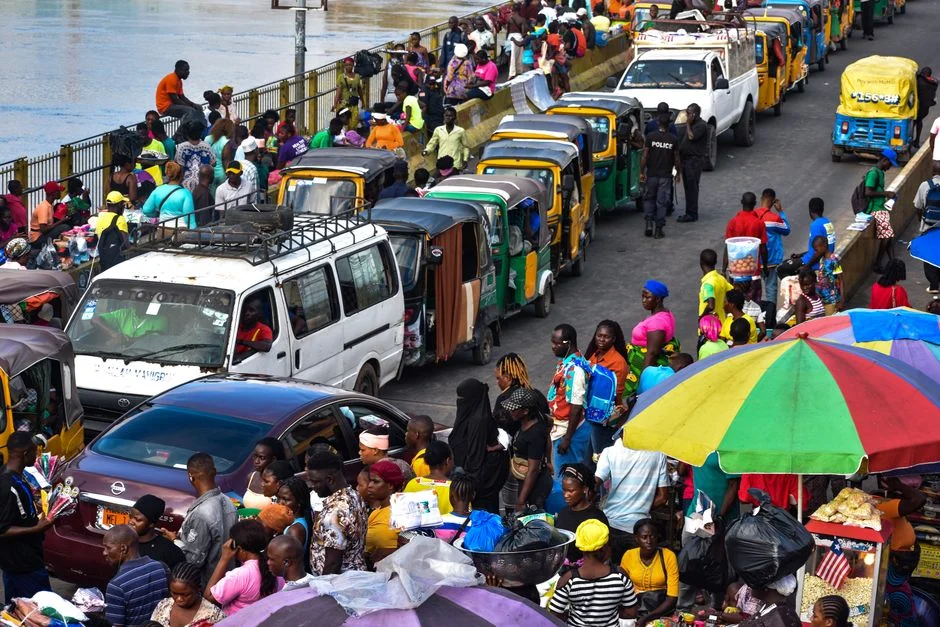
The Nigeria Revenue Service has unveiled plans to implement a new vehicle tax aimed at reducing carbon emissions, but citizens are already expressing concerns about the financial burden this could create. The proposed tax is set to increase fees for vehicle owners across the country, with the potential to raise annual costs by as much as 30%. This initiative comes amid Nigeria's ongoing struggle with climate change and the need for sustainable practices.
Implementation Timeline and Tax Details
The vehicle tax, if approved, is expected to take effect in January 2024. According to the Nigeria Revenue Service, the tax will be tiered based on the vehicle's emissions output, meaning that older, less efficient cars will face steeper levies. For instance, a vehicle emitting over 200 grams of CO2 per kilometre could see annual fees increase from 10,000 Naira to 13,000 Naira, a significant rise for many families.
Stakeholders believe this policy could incentivise the purchase of electric and hybrid vehicles, which are currently underrepresented in the Nigerian market. However, the lack of infrastructure to support electric vehicles raises questions about the feasibility of this tax scheme.
Economic Ramifications for Citizens
As the vehicle tax proposal makes its way through legislative discussions, many citizens are voicing their frustrations. According to a recent survey conducted by the Lagos-based Centre for Policy and Economic Research, over 60% of respondents believe that the tax will disproportionately affect low-income families. This sentiment is echoed by local business owners who fear that increased transportation costs will deter consumers.
The economic implications could be severe. Many families rely on vehicles for daily commuting, and the added financial strain may lead to reduced spending in other local businesses. A taxi driver in Abuja, who wished to remain anonymous, expressed concern that an increase in operational costs could force him to raise fares, ultimately driving customers away.
Environmental Goals or Economic Burden?
The tension surrounding the vehicle tax centres on the balance between environmental responsibility and economic viability. Advocates argue that the tax is crucial for Nigeria's commitment to the Paris Agreement and reducing its carbon footprint. However, critics warn that without adequate public transportation alternatives, the tax may do more harm than good.
The Minister of Environment, Dr. Mohammed Abubakar, stated in a recent press conference, "This tax is a step toward a greener Nigeria, but we must ensure that the transition is just and equitable." His remarks highlight the ongoing debate about how to implement effective climate policies without exacerbating the financial struggles of citizens.
Community Response and Activism
Grassroots movements are emerging across Nigeria as communities rally against the proposed tax. Activists are organising protests and petitions, urging the government to reconsider its approach to climate action. Many citizens are calling for more investment in public transport infrastructure before imposing additional taxes on vehicle owners.
One notable group, the Nigerian Youth Climate Coalition, has launched a campaign advocating for sustainable transport solutions, including improved bus services and cycling lanes, as a more equitable way to address environmental concerns. Their efforts have gained traction, with over 5,000 signatures gathered in just two weeks.
Next Steps and Legislative Outlook
The vehicle tax proposal is set to be debated in the National Assembly next month. Lawmakers will face mounting pressure from constituents, particularly those in urban areas where public transport options are limited. As the discussion unfolds, it is essential for citizens to engage with their representatives and voice their concerns.
What remains to be seen is whether the Nigeria Revenue Service will adjust its proposal in response to public outcry or if it will press forward with its plans amid growing discontent. Citizens are urged to stay informed and participate in the discourse surrounding this critical issue.
See Also
- Nigerian artists urge stakeholders to harness power of arts for positive change
- NYSC Member Slumps, Dies While Watching Nigeria, South Africa Match