The Kremlin has intensified its recruitment drive across the African continent, deploying thousands of soldiers to fight in Ukraine. This strategic shift directly impacts nations like Nigeria, where citizens face rising costs and complex diplomatic choices. The war’s ripple effects are no longer distant, touching local economies and regional security.
Recruitment Tactics in West Africa
Russian recruiters have targeted countries with economic instability, offering financial incentives to attract fighters. Reports indicate that men from nations such as Ghana, Nigeria, and Cameroon have joined the ranks. These recruits are often promised high salaries, healthcare, and even citizenship for their families. The offer is compelling for those facing unemployment or inflation at home.
Recruiters operate through social media, local agents, and direct outreach in urban centers. They present the war as a short-term contract with lucrative returns. However, the reality on the ground in Ukraine is often harsher than advertised. Many recruits face intense combat conditions, far removed from the initial promises made in West African cities.
Economic Impact on Nigerian Households
The conflict in Ukraine has driven up global commodity prices, affecting Nigeria’s daily breadbasket. Wheat and maize imports have become more expensive due to disrupted supply chains. This inflationary pressure forces Nigerian families to spend a larger portion of their income on basic food items. The cost of living crisis is directly linked to the ongoing war efforts.
Nigeria relies heavily on imports for several key agricultural products. The war has exposed vulnerabilities in the country’s food security strategy. As prices rise, the purchasing power of the average Nigerian citizen diminishes. This economic strain creates a backdrop against which recruitment offers may seem attractive to some. Financial desperation can outweigh national security considerations for individual households.
Social and Community Reactions
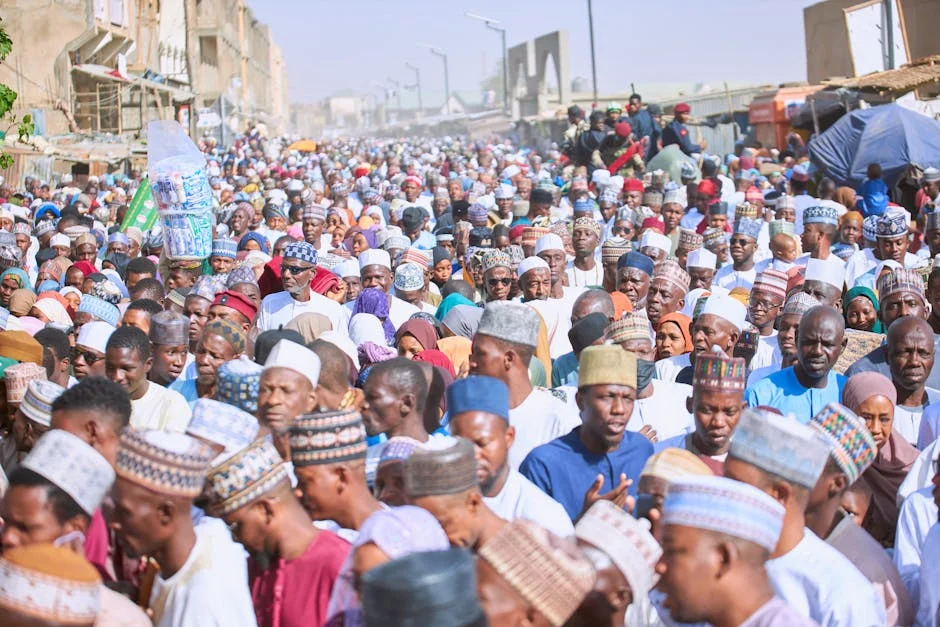
Local communities in Nigeria are divided in their response to the influx of African troops in Ukraine. Some view the deployment as a source of remittances that can support families back home. Others see it as a drain on the region’s human capital and a source of political tension. Community leaders in Lagos and Abuja have held town halls to discuss the implications. These discussions highlight the complex social fabric affected by the distant war.
The presence of African soldiers in Ukraine also influences regional diplomacy. Nigeria has historically maintained a balanced foreign policy in Africa. The recruitment drive tests this neutrality, forcing the government to navigate delicate relations with Moscow and Kyiv. Public opinion plays a crucial role in shaping these diplomatic stances. Citizens are increasingly aware of how their neighbors’ decisions impact national standing.
Strategic Implications for Regional Security
The deployment of African troops changes the dynamic of the African Union’s relationship with Russia. It raises questions about sovereignty and the influence of external powers on local militaries. Nations in the Sahel and West Africa are watching closely to understand the long-term commitments required. The war in Ukraine is becoming a proxy conflict with deep roots in African politics.
Security experts warn that the influx of mercenaries could destabilize local governance structures. If these troops return with new weapons and tactics, the regional security landscape could shift dramatically. Nigeria’s military is assessing these changes to prepare for potential threats. The strategic depth of the conflict extends beyond the Eastern European front lines.
Diplomatic Maneuvers and Future Outlook
Nigeria’s Ministry of Foreign Affairs is actively monitoring the situation to protect national interests. Diplomatic envoys are engaged in talks with both Russian and Ukrainian representatives. These discussions aim to mitigate the economic and social impacts on Nigerian citizens. The government seeks to balance trade relations with strategic autonomy in the region.
The outcome of these diplomatic efforts will shape Nigeria’s future engagement with global powers. Citizens should watch for announcements regarding trade agreements and military partnerships. The next quarter will be critical in determining how the war affects local markets and political alliances. Stay informed as the situation continues to evolve rapidly across the continent.
See Also
- Nigerian Govt, Labour To Discuss New Minimum Wage In March – Minister
- Tinubu, Ganduje Commit to Tackling Unemployment at TPI’s National Skills Acquisition Conference
These discussions highlight the complex social fabric affected by the distant war. Citizens are increasingly aware of how their neighbors’ decisions impact national standing.
What is the latest news about russia deploys african soldiers what this means for nigeria?
Why does this matter for politics-governance?
What are the key facts about russia deploys african soldiers what this means for nigeria?