The Palestinian Football Association has launched a scathing critique of FIFA President Gianni Infantino, accusing him of political inaction regarding the ongoing conflict with Israel. This public rebuke highlights a growing frustration among member associations that view the global governing body as increasingly disconnected from the realities on the ground. The tension centers on whether the sport’s highest authority is doing enough to protect the integrity of the game in one of the world’s most volatile regions.
Political Pressure Mounts on Global Football Leadership
The Federation of Palestine did not mince words in its recent statement, describing Infantino’s approach as passive in the face of escalating tensions. This criticism comes at a crucial time for FIFA, which is trying to maintain neutrality while managing a membership that spans diverse political landscapes. The association argues that the current status quo favors the Israeli Football Association, creating an uneven playing field for Palestinian athletes and officials.

Gianni Infantino has long championed the idea that football should be a unifying force, separate from the political squabbles that often divide nations. However, critics argue that silence itself is a political stance, especially when one side holds significant economic and administrative leverage. The Palestinian federation insists that FIFA’s failure to enforce stricter sanctions or clarity is a direct blow to the morale of players and fans alike.
This dispute is not merely about diplomatic posturing; it has tangible effects on funding, tournament hosting rights, and the daily operations of clubs. The Palestinian FA claims that without decisive intervention from Zurich, their athletes continue to face logistical nightmares that their Israeli counterparts rarely encounter. These logistical hurdles include visa delays, security checks, and unpredictable travel routes that disrupt training and match schedules.
Impact on Grassroots Football in the Region
For the average citizen in Gaza or the West Bank, football is more than just a pastime; it is a vital source of community cohesion and hope. When the highest levels of the sport are embroiled in political deadlock, the ripple effects reach down to the dusty pitches where local children play. The uncertainty surrounding FIFA’s stance creates an atmosphere of anxiety that permeates every level of the Palestinian football pyramid.
Logistical Nightmares for Players
Players often face significant delays when traveling for away matches against Israeli teams. Security protocols can turn a simple bus ride into a multi-hour ordeal, affecting physical preparation and mental focus. These delays are not occasional inconveniences but systemic issues that require constant negotiation and adaptation. The lack of a standardized, enforced protocol from FIFA means that each match day brings new uncertainties.
Clubs in Ramallah and Jerusalem are also feeling the financial strain. Sponsorship deals become shaky when the political climate is unstable, and ticket sales fluctuate based on the latest news headlines. Local businesses that rely on match-day revenues, such as cafes and transport services, see their income dip when fixtures are postponed or moved at short notice. This economic vulnerability makes the political decisions made in Zurich feel very local and immediate.
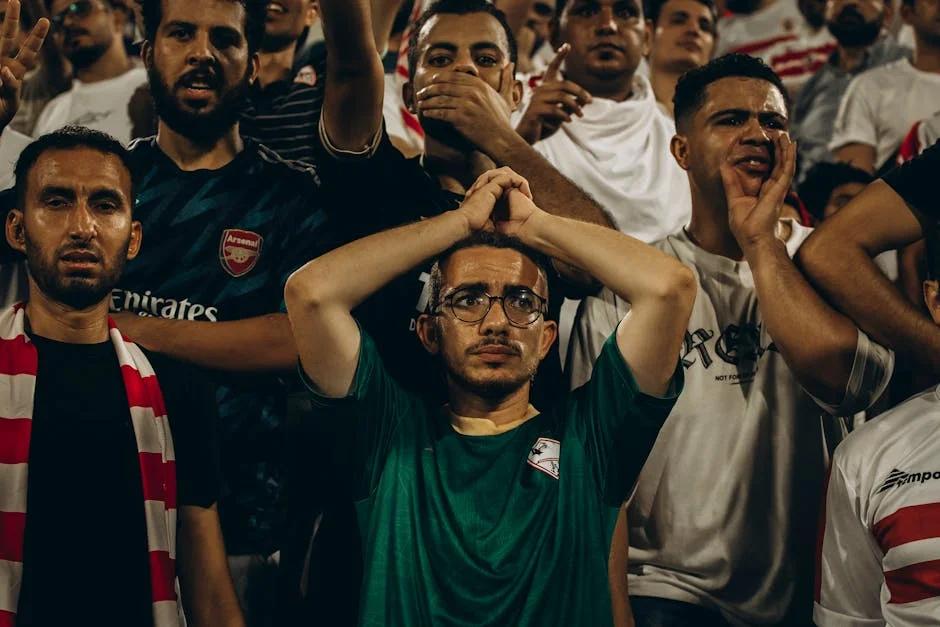
The social impact is equally profound. Football stadiums serve as temporary sanctuaries where political differences can be set aside, at least for ninety minutes. When the integrity of these spaces is questioned, the community loses a key mechanism for social bonding. Fans express their frustration through chants and protests, turning matches into political rallies as much as sporting events. This dual nature of the game adds pressure on players who must perform while navigating complex social expectations.
Global Implications for Football Governance
The situation in the Middle East serves as a test case for how FIFA handles political interference in other regions. If the governing body cannot effectively manage the Israel-Palestine dynamic, other member associations may lose faith in its ability to enforce rules fairly. This could lead to a fragmentation of loyalty, with smaller associations feeling that the system is rigged in favor of wealthier or more politically connected members.
Other federations are watching closely to see if Infantino will double down on his policy of cautious neutrality or take bolder steps. The outcome could influence how FIFA approaches future conflicts in regions like the Caucasus or the Balkans. The credibility of the World Cup cycle, particularly with the 2026 tournament approaching, depends on maintaining a perception of fairness and inclusivity. Any perception of bias could tarnish the brand and affect viewer engagement globally.
For Nigeria and other African nations, the situation offers a mirror to their own experiences with continental and global football politics. African associations often feel that their voices are heard but not always heeded in Zurich. The Palestinian critique resonates with African federations that have historically struggled to gain equal footing with European powerhouses. This shared sentiment could lead to a stronger coalition of smaller nations demanding more transparency and accountability from FIFA.
What Lies Ahead for Palestinian Football
The Palestinian Football Association has indicated that they will not rest until concrete actions are taken. They plan to present a formal dossier to the FIFA Council, detailing specific instances of administrative bias and logistical failures. This dossier is expected to include testimonies from players, coaches, and club owners, providing a human face to the political arguments. The next FIFA Congress will be a critical juncture where these grievances may be formally tabled for discussion.
Fans and stakeholders should watch for any announcements regarding visa exemptions or dedicated security corridors for Palestinian teams. These practical measures would signal a shift from rhetorical support to tangible assistance. The reaction of the European Club Association and other major stakeholders will also be telling, as their influence can pressure FIFA to act. The coming months will determine whether football can truly serve as a bridge or remains a battleground for political disputes.
When the integrity of these spaces is questioned, the community loses a key mechanism for social bonding. What Lies Ahead for Palestinian Football The Palestinian Football Association has indicated that they will not rest until concrete actions are taken.