Colombia is witnessing a remarkable transformation as a region once defined by gunfights and guerrilla troops becomes a global haven for birdwatchers. This ecological resurgence in the Andean highlands is not merely a scenic change; it is reshaping the daily lives and economic prospects of local citizens. Communities that previously relied on coffee and cocoa are now leveraging biodiversity to attract international visitors and secure a more stable income.
From Gunfights to Bird Calls
The shift in Colombia’s birding landscape is stark. Regions like the Coffee Cultural Landscape, particularly around Salento and Filadelfia, were once hotspots for the FARC and EL Nino guerrillas. For decades, the primary soundscapes were the rumble of helicopters and the crack of rifle shots. Today, those noises have been replaced by the chorus of tanagers, toucans, and hummingbirds. This acoustic change signals a deeper peace that allows for sustained tourism development.
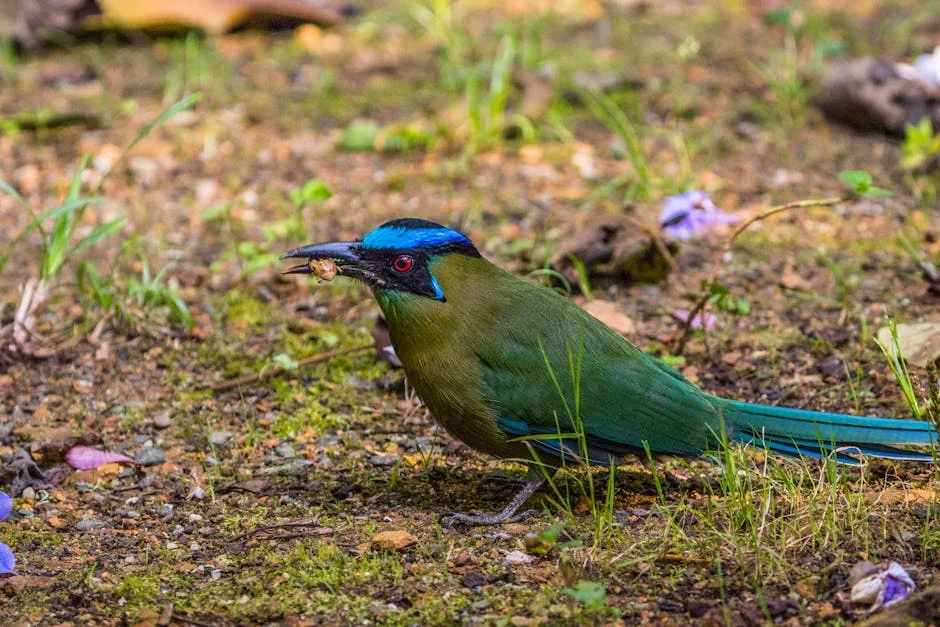
Local guides report a steady increase in visitors eager to spot endemic species such as the Yellow-eared Parrot. These birds are not just ornamental; they serve as indicators of forest health. The return of these species suggests that reforestation efforts and land-use changes are working. Citizens who once hid in the mountains are now leading tours through the very paths their ancestors fled.
The psychological impact on the community is profound. The forest is no longer a place of ambush but a source of pride and income. This shift has encouraged younger generations to stay in their villages rather than migrating to Bogotá or Medellín for work. The stability provided by the birding industry offers a tangible reward for the peace process.
Economic Shifts for Local Families
The economic benefits of this birding boom are directly affecting household budgets. Tourism revenue is trickling down to smallholders who convert parts of their land into eco-lodges or guided trails. A single day trip for a group of international birders can generate income equivalent to a week’s harvest of coffee beans. This diversification is crucial for families facing volatile global commodity prices.
Local entrepreneurs are adapting quickly. Cafés in towns like Santa Rosa de Cabal now feature birding menus and guided morning walks. Small businesses are investing in binoculars, field guides, and comfortable transport. The demand for English-speaking guides has also risen, prompting community centers to offer language classes. These initiatives empower residents to capture a larger share of the tourism dollar.
However, the transition is not without challenges. Some farmers struggle to balance agricultural output with conservation needs. They must decide whether to plant more shade-grown coffee, which benefits birds but yields less per hectare, or switch to full-sun varieties. This decision requires careful financial planning and often relies on subsidies or certification programs.
Balancing Agriculture and Conservation
The integration of agriculture and birding is a delicate act. Farmers must maintain specific tree canopies to attract migratory birds from North America and Europe. This practice, known as shade-grown agriculture, requires more labor and careful pruning. The payoff is a premium price for coffee and a steady stream of tourists.
Organizations like ProAves have played a pivotal role in this balance. They provide scientific data and training to help locals understand bird habitats. Their work ensures that tourism growth does not outpace the carrying capacity of the local ecosystems. This scientific approach helps prevent the over-commercialization that has plagued other tourist hotspots in Latin America.
Communities are also forming cooperatives to manage visitor flows. By grouping together, smallholders can negotiate better rates with tour operators and share marketing costs. This collective approach strengthens their bargaining power and ensures that profits are distributed more evenly. It also fosters a sense of community ownership over the natural resources.
Social Impact and Community Response
The social fabric of these regions is strengthening through the birding industry. Community meetings now focus on trail maintenance, guide certification, and waste management. These collaborative efforts rebuild the social capital that was eroded during years of conflict. Trust between neighbors is restored as they work toward a common economic goal.
Education is another critical area of impact. Schools in the region are incorporating birding into their curricula. Children learn to identify species and understand ecological cycles. This early exposure fosters a generation of naturalists who will steward the land in the future. It also provides a compelling reason for parents to invest in their children’s education.
Women are increasingly taking leadership roles in the birding sector. Many have become expert guides, breaking traditional gender roles in the Andean highlands. Their participation ensures that tourism benefits are shared more equitably across households. This empowerment has ripple effects, influencing decisions on healthcare, education, and housing.
What to Watch Next
The future of this birding paradise depends on sustained investment and careful management. Visitors should watch for new certification programs that guarantee fair wages for local guides. These initiatives will determine whether the economic benefits remain localized or leak out to external operators. The next few years will be critical for establishing robust governance structures.
Environmentalists are also monitoring the impact of climate change on migratory patterns. Shifts in temperature and rainfall could alter the timing of bird arrivals. Communities must remain adaptable, potentially diversifying their offerings to include other wildlife or cultural experiences. Keeping an eye on these ecological indicators will be essential for long-term resilience.
As the industry grows, the risk of overtourism increases. Local councils are preparing to implement visitor caps and seasonal pricing. These measures aim to preserve the tranquility that attracts birders in the first place. Readers should look for announcements regarding new trail networks and eco-lodge developments in the coming months. The success of these projects will signal the maturity of the region’s tourism strategy.