Oil prices saw a minor surge this week, causing ripples across various sectors in Nigeria. This development, closely monitored by the energy sector and financial analysts, is primarily attributed to geopolitical tensions impacting supply chains globally. The Brent crude, a key benchmark for Nigerian oil, rose to $86 per barrel, marking a 2% increase from last week's figures.
Local Economic Effects
Nigeria, Africa's largest oil producer, is heavily reliant on oil exports, which form a significant portion of its revenue. With the rise in oil prices, there could be a positive short-term boost to the national economy, potentially increasing government revenue. However, this is a double-edged sword, as higher oil prices often translate into increased costs for imported goods, affecting local businesses and consumers.
The Nigerian government, through the Ministry of Finance, has been monitoring these developments closely. Finance Minister Zainab Ahmed stated, "We are assessing the situation to balance the benefits of increased revenue with the potential impact on inflation."
Impact on Daily Life
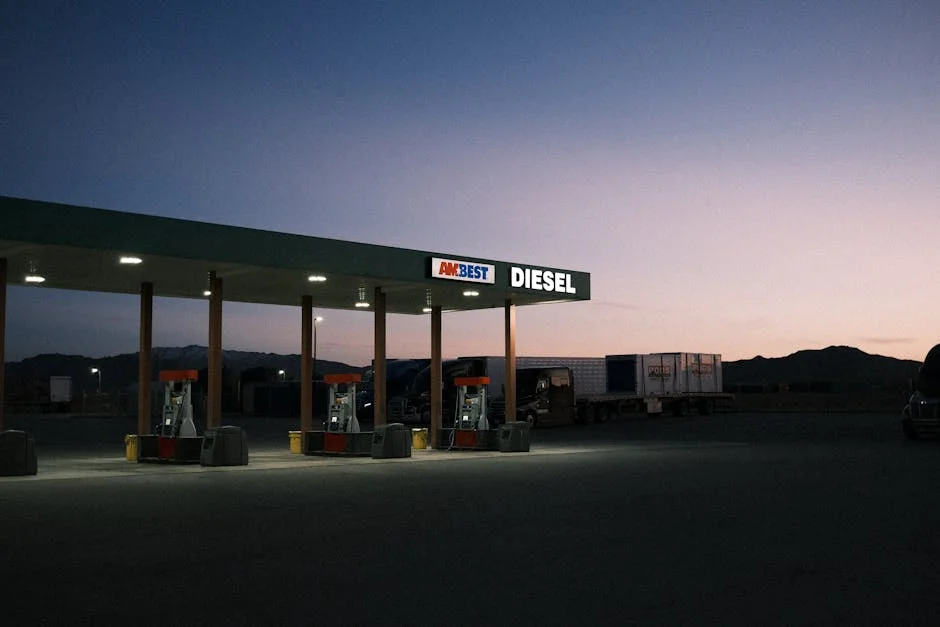
For the average Nigerian citizen, rising oil prices could mean higher transportation and manufacturing costs. This may lead to increased prices for everyday goods and services, further straining household budgets. In Lagos and Abuja, residents have already reported slight increases in fuel prices at petrol stations.
Local businesses, especially in the transportation sector, are feeling the pinch. Samuel Ojo, a commercial driver in Lagos, remarked, "Any increase in fuel price directly affects our earnings, as we can't always pass the cost onto passengers."
Gold Market Reactions
While oil prices are rising, the gold market is experiencing a slight downturn. Ouro, a popular investment in Nigeria for its perceived stability, saw a decrease in value. Prices dropped to $1,750 per ounce, a 1.5% decline from the previous week. This shift could impact those who invest in gold as a hedge against currency fluctuation.
Financial advisers in the region are urging investors to diversify portfolios, considering the volatile nature of commodities in the current market environment. Adewale Bakare, a financial consultant based in Abuja, noted, "It's crucial for investors to remain vigilant and adapt to market changes swiftly."
Community Responses
Communities across Nigeria are bracing for potential economic shifts. In Kano, local leaders are advocating for government intervention to mitigate the impact on low-income families who are most vulnerable to price hikes. Initiatives such as subsidies or support programs are being discussed as potential measures to alleviate financial burdens.
Community groups are also encouraging citizens to adopt more sustainable practices, such as carpooling and energy-saving techniques, to manage costs effectively during this period of uncertainty.
What to Watch Next
Looking ahead, the focus will be on the Nigerian government's response to these economic fluctuations. Stakeholders are eagerly anticipating any fiscal policy announcements that might address the dual challenges of rising oil prices and declining gold values. Citizens and businesses will need to stay informed about potential changes in subsidy policies or new economic measures that could be introduced in the coming weeks.
As Nigeria navigates these turbulent waters, the balance between beneficial and adverse effects of fluctuating oil and gold prices will remain a key issue for policymakers and citizens alike.
See Also
- Nuno Dias Predicts Sporting Can Overcome Benfica: What This Means for African Football
- Airports Company South Africa unveils R10 billion upgrade for Cape Town International Airport: what’s changing
This shift could impact those who invest in gold as a hedge against currency fluctuation.Financial advisers in the region are urging investors to diversify portfolios, considering the volatile nature of commodities in the current market environment. In Kano, local leaders are advocating for government intervention to mitigate the impact on low-income families who are most vulnerable to price hikes.
What is the latest news about oil prices surge slightly impact on nigerian economy and citizens?
Why does this matter for economy-business?
What are the key facts about oil prices surge slightly impact on nigerian economy and citizens?