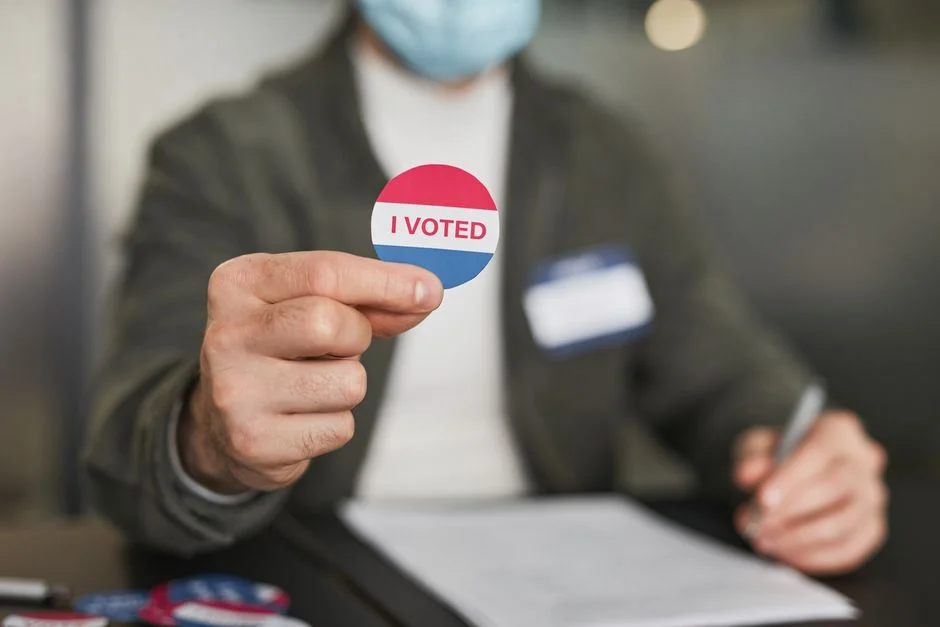
Mahua Moitra, a prominent Indian politician, has created waves by revealing that 2.7 million voter records have allegedly been deleted in an effort to manipulate the upcoming elections. This revelation, made during a live session, has set off a chain reaction of concern among voters and democratic advocates alike.
Backdrop of the Allegations
The controversy erupted when Moitra accused authorities of deliberately removing these voters' details as a political strategy. The claims were made in New Delhi, drawing immediate national attention and raising questions about electoral integrity. The issue is not just local; it has international implications as well, including potential lessons for Nigeria, which faces its own electoral challenges.
This situation highlights the vulnerability of voter databases globally. In Nigeria, where the electoral process often faces scrutiny, these developments serve as a cautionary tale. The deletion of such a large number of voters could have a profound impact on the democratic process, potentially swaying election outcomes and undermining public trust.
Implications for Nigerian Communities
Nigerians are paying close attention to how this scenario unfolds, given their ongoing efforts to strengthen democratic processes. The issue of voter suppression is not new to Nigeria. Instances of missing voter records and alleged manipulation have been reported in past elections, affecting citizens' confidence in fair representation.
The situation also underscores the need for robust voter protection measures. As Nigeria prepares for upcoming elections, ensuring the integrity of its voting systems remains a priority. The Nigerian Independent National Electoral Commission (INEC) may consider reviewing its database management protocols to prevent similar occurrences.
Community Response and Calls for Action
Moitra's allegations have sparked a flurry of responses from civil society groups, urging for immediate investigations and corrective measures. Nigerian activists have echoed these sentiments, calling on their government to take proactive steps in safeguarding the electoral process.
Community leaders in Lagos and other regions are mobilising to educate citizens about their voting rights. They are emphasizing the importance of staying vigilant and reporting any discrepancies in voter registration to the appropriate authorities.
What to Watch Next
As the situation develops, the focus will be on how authorities respond to Moitra's claims. Investigations into the deleted voter records are anticipated, with potential policy changes on the horizon to prevent future incidents.
For Nigeria, this serves as a timely reminder to evaluate the resilience of its electoral systems. Stakeholders will be closely monitoring the situation, advocating for transparency and accountability in both domestic and international contexts. Watch for updates on electoral reforms and community-led initiatives aimed at protecting voter rights in the coming months.
See Also
- Zendaya's Bridal Look at Louis Vuitton Confirms Marriage Rumours - What Does It Mean for Nigeria?
- Mgcini Tshwaku Dismisses Kidnapping Claims During Alexandra Operation: What This Means for Public Safety