Recent heavy rainfall in Ludhiana, India, has led to a noticeable drop in temperatures, stirring concerns among Nigerian agricultural importers. The persistent weather changes threaten to disrupt the supply chain of vital crops exported to Nigeria, potentially impacting prices and availability.
Ludhiana's Weather Patterns Impact on Agriculture
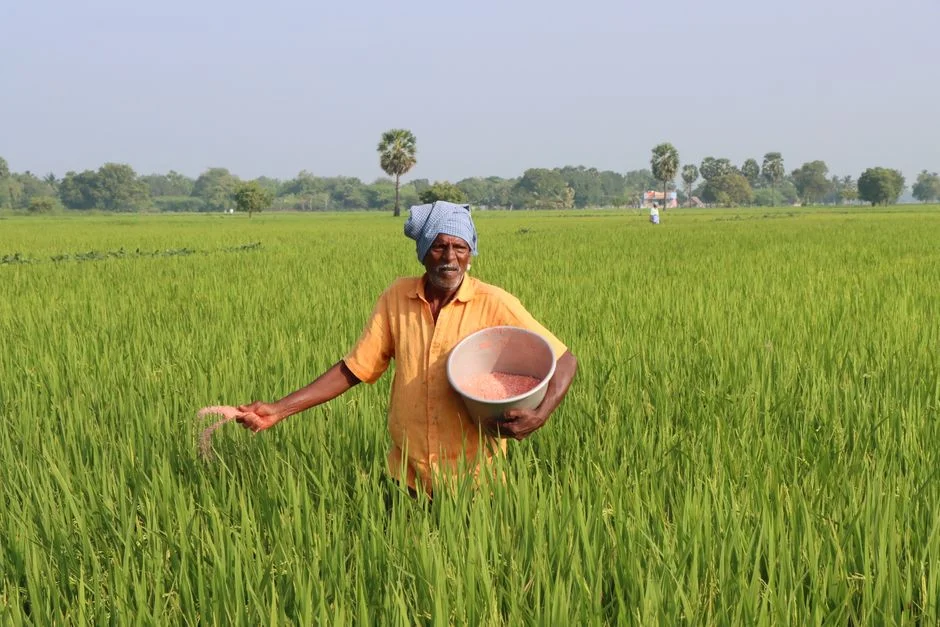
Ludhiana, a key agricultural hub in India, is experiencing unseasonal rainfall, with forecasts predicting intermittent showers over the next 48 hours. This shift in weather patterns is affecting the sowing and harvesting cycles of crops such as wheat and rice, which are crucial exports to Nigeria.

According to the Indian Meteorological Department, the current weather anomaly could see a reduction in crop yields by up to 15%. This has raised alarms among Nigerian traders who rely on these imports for local consumption and market stability.
Potential Repercussions on Nigerian Markets
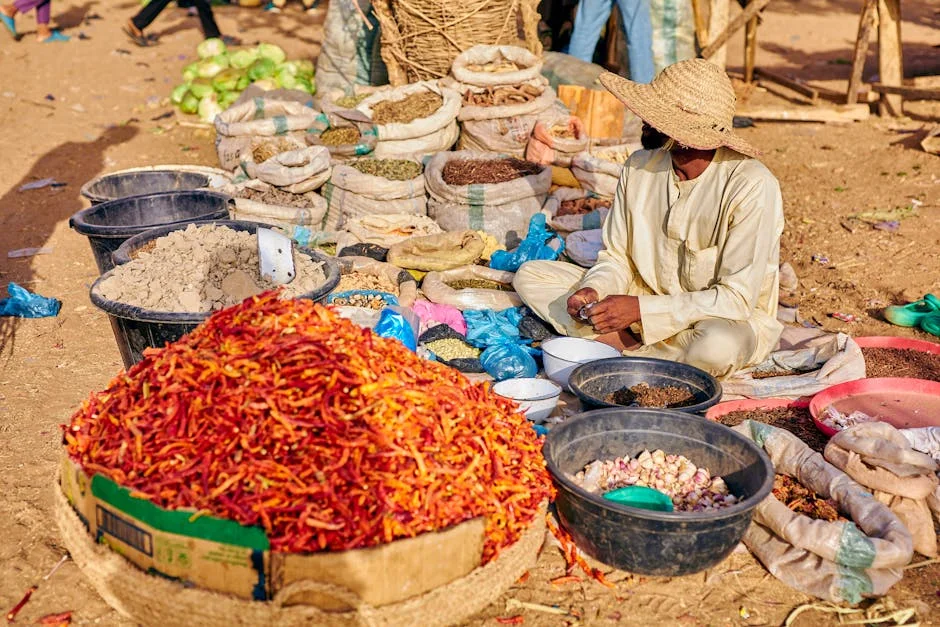
Nigeria, which imports a significant portion of its food supplies, may face challenges in managing food prices if the supply from Ludhiana is disrupted. The likely increase in import costs could lead to higher retail prices, affecting household budgets across the nation.
Agricultural economist Dr. Adebola Johnson notes, "Nigeria's dependency on foreign agricultural products makes it vulnerable to such international climatic disruptions. The government may need to explore alternative sourcing strategies to mitigate these risks."
Community Response and Adaptation
In response to the potential crisis, Nigerian communities are being urged to adopt more sustainable agricultural practices and diversify their crop sources. Initiatives to promote local farming are gaining momentum, with the government supporting farmers through subsidies and training programs.
Community leaders in regions like Kaduna and Kano have started encouraging residents to cultivate short-season crops that can thrive in Nigeria's existing climate conditions, thus reducing reliance on imports.
Looking Ahead: Strategies for Resilience
As the weather situation in Ludhiana unfolds, Nigerian policymakers are closely monitoring the developments. The government is expected to hold a meeting next month to discuss strategic measures to ensure food security and price stability.
Stakeholders are also considering long-term solutions, such as enhancing local agricultural productivity and fortifying trade relations with diverse partners. These steps aim to build resilience against future disruptions in global weather patterns that could affect Nigeria.
See Also
- Sporting's Rui Borges Praises Trincão's Performance — What It Means for Team Dynamics
- Ex-Teacher Charged with Sex Crimes Against Underage Student in Nigeria
Initiatives to promote local farming are gaining momentum, with the government supporting farmers through subsidies and training programs.Community leaders in regions like Kaduna and Kano have started encouraging residents to cultivate short-season crops that can thrive in Nigeria's existing climate conditions, thus reducing reliance on imports.Looking Ahead: Strategies for ResilienceAs the weather situation in Ludhiana unfolds, Nigerian policymakers are closely monitoring the developments. Adebola Johnson notes, "Nigeria's dependency on foreign agricultural products makes it vulnerable to such international climatic disruptions.