King Charles delivered a pointed message to the United States during a recent address in London, focusing on the urgent need for climate action. His remarks come amid growing global awareness of the environmental challenges that affect both developed and developing nations alike.
In his address at the Guildhall in the City of London, King Charles highlighted the necessity for immediate and collaborative efforts to tackle climate change, warning that failure to do so could have dire consequences worldwide. While his message was directed at the US, the ripple effects of any climate policy shifts would undoubtedly be felt in NG and other nations.
NG's Vulnerability to Climate Change
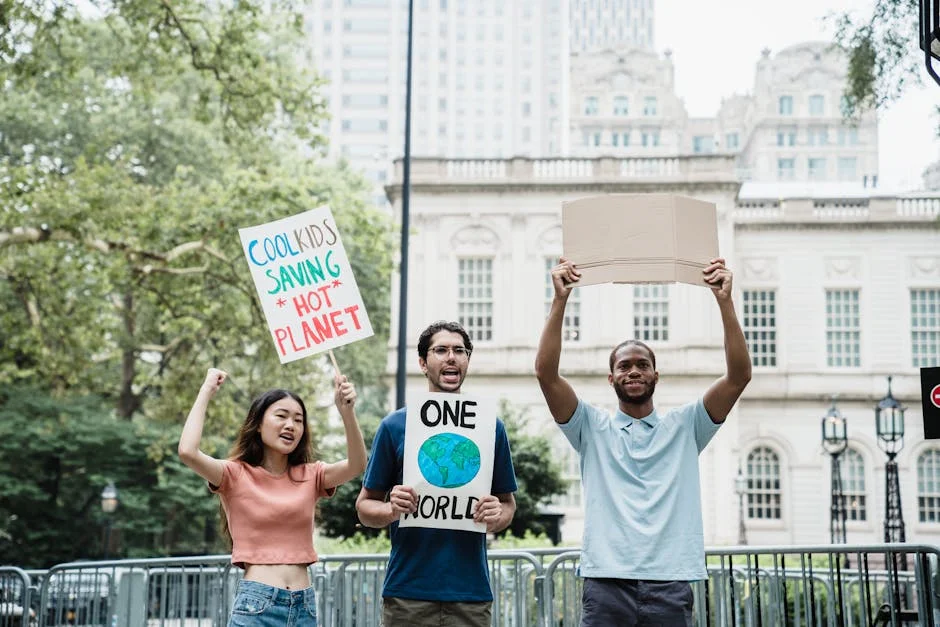
NG, with its diverse ecosystems ranging from the arid north to the lush rainforests in the south, is particularly vulnerable to the impacts of climate change. Extreme weather events, such as the devastating floods that hit Lagos in 2022, have become increasingly common. The country's agricultural sector, which employs about 35% of the workforce, is already feeling the strain as changing rainfall patterns disrupt crop cycles.
This vulnerability underscores the importance of global cooperation in climate policy. As King Charles emphasized, the actions of major economies like the U.S. can significantly influence environmental outcomes worldwide. For NG, which is still developing its industrial base and fighting poverty, the stakes are high.
Economic Implications for Local Communities
Communities across NG may face economic hardships if climate change continues unabated. Rising temperatures and altered precipitation patterns could lead to reduced agricultural output, impacting food security and increasing poverty levels. The International Monetary Fund (IMF) has noted that NG's GDP growth could slow by up to 2% if no action is taken.
Furthermore, efforts to mitigate climate change, such as transitioning to renewable energy, require substantial investment. NG's government has aimed to increase its renewable energy capacity to 30% by 2030, but this target demands both domestic funding and international support. The involvement of influential voices like King Charles could catalyze such support, potentially altering the trajectory for NG's economy.
Community Response to Climate Advocacy
Many NG communities are already taking proactive steps to address environmental issues. Grassroots organisations, like the Green NG Initiative, are working to raise awareness and promote sustainable practices. These efforts have been bolstered by international attention and support, highlighting the interconnectedness of global climate efforts.
King Charles' remarks could further galvanise these local initiatives, providing them with a platform to advocate for stronger policies both locally and internationally. This advocacy is crucial for ensuring that NG's interests are represented in global climate discussions.
Looking Ahead: The Path to Climate Resilience
As the global climate dialogue evolves, NG must continue to prioritise sustainability and resilience. The upcoming United Nations Climate Change Conference in Dubai presents an opportunity for NG to voice its concerns and collaborate with other nations. King Charles' warning to the US acts as a reminder of the urgent need for collective action.
NG's leaders and citizens alike must watch for policy shifts in major economies and prepare to adapt. By fostering international partnerships and investing in green technologies, NG can work towards a more sustainable future, even as global dynamics shift.
See Also
- Karnataka Minister Warns Airports in Smaller Cities Face Financial Struggles Post-UDAN
- Provide Evidence Of Corruption, PSC To IG On Recruitment Controversy
These efforts have been bolstered by international attention and support, highlighting the interconnectedness of global climate efforts.King Charles' remarks could further galvanise these local initiatives, providing them with a platform to advocate for stronger policies both locally and internationally. The upcoming United Nations Climate Change Conference in Dubai presents an opportunity for NG to voice its concerns and collaborate with other nations.