Tamil Nadu's 2026 election campaign has intensified in the Tiruchuli constituency, where a controversial development plan is reshaping the landscape and sparking fierce debate among residents. The state government, led by Chief Minister M. K. Stalin, has approved a major infrastructure project aimed at modernising the area, but local activists and farmers fear the loss of vital green spaces to the invasive Prosopis tree. The move has drawn sharp criticism from environmental groups and has become a central issue in the upcoming polls.
Development Plan Sparks Local Outcry
The Tiruchuli constituency, located in the southern part of Tamil Nadu, has long been a hub for agricultural activity. However, the recent decision by the Tamil Nadu Ministry of Environment and Forests to clear 150 hectares of greenery for a new industrial corridor has alarmed local communities. The project, which includes a new highway and commercial zones, is expected to boost economic growth but has been met with resistance from residents who depend on the area's natural resources.
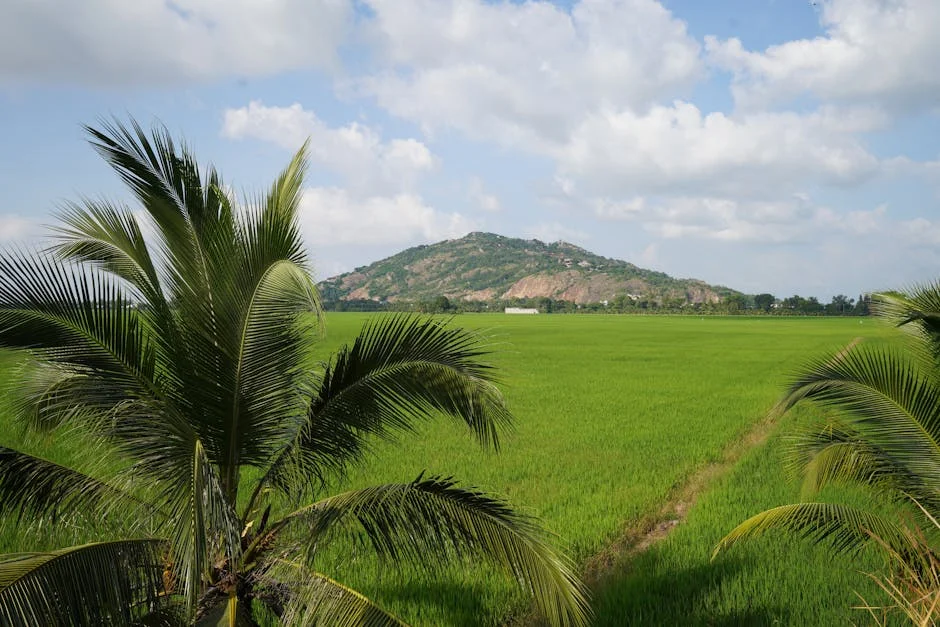
“This is not just about land—it’s about our survival,” said R. Gopal, a farmer from Tiruchuli who has been protesting the development. “We rely on the greenery for water, crops, and livestock. If we lose this, we lose everything.” The government claims the project will create over 5,000 jobs and attract foreign investment, but critics argue that the benefits will not reach the local population.
Greenery and the Prosopis Threat
The Prosopis juliflora, an invasive species native to South America, has been spreading rapidly across Tamil Nadu, encroaching on farmland and depleting groundwater. Local authorities have been trying to control its growth through manual removal and chemical treatments. However, the new development plan threatens to exacerbate the problem by clearing large tracts of land that could otherwise be used to combat the invasive species.
Environmental scientists warn that the loss of green cover could lead to a 20% drop in local groundwater levels over the next decade. “This is not just an ecological issue—it’s a matter of public health,” said Dr. S. Raman, a researcher at the Tamil Nadu Agricultural University. “Without proper green spaces, the risk of drought and soil degradation will increase dramatically.”
Community Response and Political Tensions
Local communities have mobilised to resist the development, with protests and petitions gaining traction online. The opposition AIADMK party has seized on the issue, accusing the ruling DMK government of prioritising industry over the environment. “This is a clear example of how political agendas are undermining the needs of the people,” said AIADMK spokesperson S. Karthikeyan.
The situation has also divided local leaders. While some support the economic benefits of the project, others have called for a more sustainable approach. A recent survey by the Tamil Nadu Development Forum found that 68% of residents in Tiruchuli oppose the development, citing environmental and social concerns.
What’s Next for Tiruchuli?
The Tamil Nadu Election Commission has set a deadline for candidates to submit their manifestos by 15 March 2026, with the polls scheduled for 12 April. The Tiruchuli constituency will be a key battleground, as both major parties seek to sway voters on the issue of land use and environmental protection. The outcome could set a precedent for how development projects are handled in other parts of the state.
For now, the debate continues. As the election approaches, the people of Tiruchuli are watching closely, hoping that their voices will be heard in a political process that has too often sidelined their concerns.
See Also