Home Minister Amit Shah has shifted the Bharatiya Janata Party’s political gaze from West Bengal to Punjab, marking a strategic pivot in India’s electoral calendar. This monthly blitz aims to consolidate power in the northern state ahead of crucial assembly elections. The move signals a high-stakes gamble for the ruling party as it seeks to break regional strongholds.
Citizens in Punjab are already feeling the pressure as campaign rallies and policy announcements flood local communities. The political atmosphere is charged with anticipation and skepticism. Residents are watching closely to see if national strategies will translate into tangible local benefits.
Strategic Shift from Bengal to Punjab
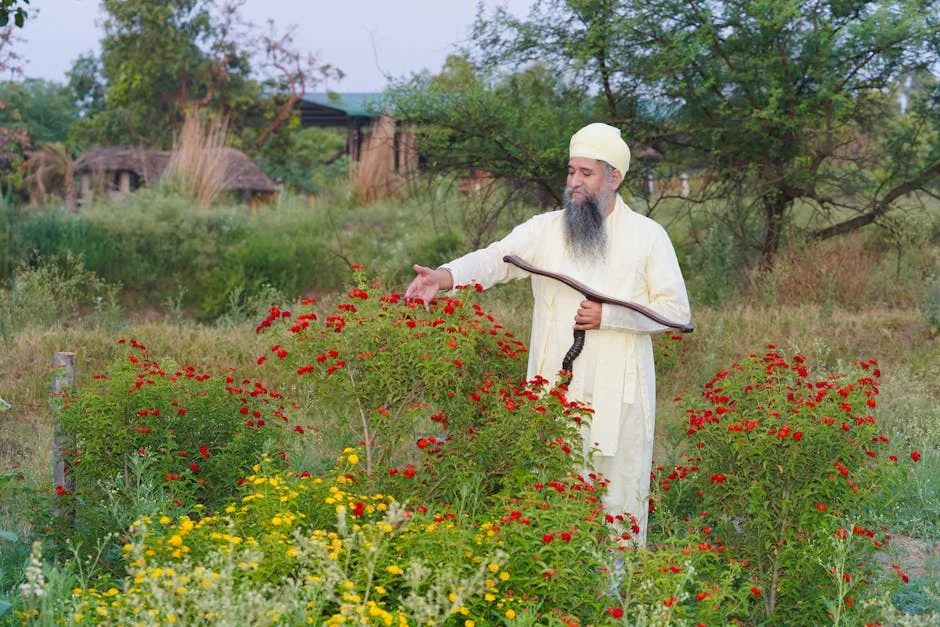
The conclusion of the intense political battle in West Bengal has allowed the BJP leadership to redirect its resources. Amit Shah, the party’s organizational mastermind, has identified Punjab as the next critical frontier. This decision reflects a calculated assessment of where votes can be most effectively mobilized.
West Bengal has historically been a stronghold for the Trinamool Congress, making every vote there a hard-fought victory. In contrast, Punjab offers a different demographic and economic landscape. The BJP hopes to replicate its success in the east by leveraging similar tactics in the north.
Analysts note that this shift is not merely geographic but also thematic. The issues resonating in the rice bowls of Punjab differ from those in the tea gardens of Bengal. Understanding these nuances is crucial for the BJP’s success in the upcoming elections.
Impact on Daily Life in Punjab
For the average citizen in Amritsar or Ludhiana, the political blitz translates into increased visibility of party leaders. Rallies disrupt traffic and daily routines, while door-to-door canvassing brings political discourse into living rooms. This intense engagement aims to make voters feel seen and heard by the ruling party.
Local businesses report a surge in activity during campaign periods. Hotels fill up, transportation services see higher demand, and local vendors sell more merchandise. However, this economic boost is often temporary and unevenly distributed across different neighborhoods.
Communities are also experiencing heightened social divisions. Political affiliations often align with caste and regional identities, leading to subtle tensions in villages and urban wards. Families may find themselves divided by their support for different candidates, affecting social cohesion.
Local Economy and Campaign Spending
The influx of campaign funds brings both opportunities and challenges for local economies. Small contractors and event organizers benefit from the need for stages, sound systems, and logistics. However, this spending can also drive up local prices for goods and services.
Small businesses in Punjab are adapting to the political rhythm. Many owners adjust their working hours to accommodate rallies and voter meetings. This flexibility helps them capture the campaign-induced demand but also adds to their operational complexity.
Observers point out that while campaign spending provides a short-term boost, it does not address long-term economic issues. Jobs, infrastructure, and healthcare remain the primary concerns for voters. The BJP’s ability to link its campaign to these issues will determine its success.
Political Dynamics and Voter Sentiment
Punjab’s voters are known for their pragmatism and loyalty to regional parties. The Shiromani Akali Dal and the Indian National Congress have traditionally dominated the political landscape. The BJP’s entry into this arena challenges these established dynamics and forces voters to reconsider their allegiances.
Amit Shah’s personal appeal plays a significant role in this strategy. Known for his oratory skills and organizational prowess, he aims to connect with voters on a personal level. His visits to key districts are designed to showcase the BJP’s commitment to the state’s development.
Voter sentiment is mixed, with some welcoming the new competition and others viewing it with skepticism. Many voters are waiting to see if the BJP’s promises translate into concrete actions. This attitude is common in Indian elections, where trust is earned over time.
Regional Implications for Neighboring States
The success or failure of the BJP in Punjab will have ripple effects across neighboring states. Haryana, Rajasthan, and Uttar Pradesh are watching closely to gauge the party’s northern strength. A victory in Punjab could embolden the BJP to expand its footprint in other key states.
Regional parties in these states are adjusting their strategies in response to the BJP’s move. They are forming alliances and refining their messages to counter the national party’s appeal. This dynamic creates a more competitive political environment for voters.
For citizens in these neighboring states, the political shifts mean more choices and potentially more accountability. However, it also means more political noise and uncertainty. Voters must navigate a complex landscape to make informed decisions.
Community Response and Civil Society
Civil society organizations in Punjab are actively engaging with the political process. They are monitoring campaign promises and holding leaders accountable for their statements. This engagement helps to ensure that political discourse remains focused on key issues.
Community leaders are playing a crucial role in bridging the gap between politicians and voters. They organize town halls, debates, and discussions to facilitate dialogue. These efforts help to demystify political processes and empower citizens to participate actively.
However, civil society also faces challenges in maintaining neutrality. Political parties often seek to co-opt community leaders for their credibility. This dynamic can sometimes blur the lines between advocacy and political endorsement, affecting public trust.
Economic Policies and Local Development
The BJP’s campaign in Punjab includes a focus on economic development and job creation. The party has proposed several initiatives aimed at boosting agriculture, industry, and services. These proposals are designed to address the key economic concerns of Punjabi voters.
Agriculture remains the backbone of Punjab’s economy, and the BJP has emphasized support for farmers. This includes promises of better prices, infrastructure, and technological adoption. These measures aim to improve the livelihoods of millions of farming families in the state.
Industrial development is another key focus area. The BJP has highlighted the need to attract investment and create jobs in sectors such as manufacturing and technology. These initiatives aim to diversify the state’s economy and reduce its reliance on agriculture.
Infrastructure and Urban Development
Urban development is a critical component of the BJP’s strategy in Punjab. The party has proposed improvements in infrastructure, including roads, public transport, and housing. These projects aim to enhance the quality of life for urban residents and support economic growth.
Smart city initiatives are also part of the party’s vision. These projects aim to integrate technology into urban planning to improve efficiency and sustainability. However, the success of these initiatives depends on effective implementation and community engagement.
Citizens are eager to see these promises turn into reality. They are watching closely to see if the BJP’s infrastructure plans will address their immediate needs. This scrutiny will be a key factor in determining the party’s electoral success.
Looking Ahead: Key Dates and Events
The political landscape in Punjab will continue to evolve in the coming months. Key dates, including election announcements and major rallies, will shape the narrative. Voters should stay informed about these developments to make well-informed decisions.
Upcoming policy announcements and budget proposals will provide further insights into the BJP’s strategy. These documents will outline the party’s priorities and funding allocations. Citizens should review these materials to understand the potential impact on their communities.
As the election date approaches, the intensity of the campaign will increase. Voters should engage with local leaders, attend rallies, and participate in discussions. This active participation will help to ensure that their voices are heard and their interests are represented in the final outcome.
See Also
- Mexico’s Senate Passes Controversial Election Amendment Amid Opposition Outcry
- Lagos Coroner Court Blames Sylvester Oromoni’s Parents For His Death