Chelsea Football Club has announced it is considering former player Filipe Luis as a potential manager following the sacking of Liam Rosenior. The move comes as the club faces mounting pressure to find a stable leadership after a series of inconsistent results. Luis, who played for the club between 2011 and 2015, has been linked to several managerial roles in recent years, including a stint as assistant to Pep Guardiola at Manchester City. The decision has sparked widespread discussion among fans and analysts across the globe.
Chelsea’s Search for Stability
The sacking of Liam Rosenior, who was in charge of the U23 team, signals a shift in the club’s approach to developing talent and managing the first team. Rosenior, who had been with the club since 2017, was known for his work in nurturing young players. His departure has left a void in the club’s coaching structure, prompting Chelsea to explore high-profile candidates. Filipe Luis, a former Barcelona and Arsenal midfielder, has been mentioned as a potential replacement, though no official appointment has been made.
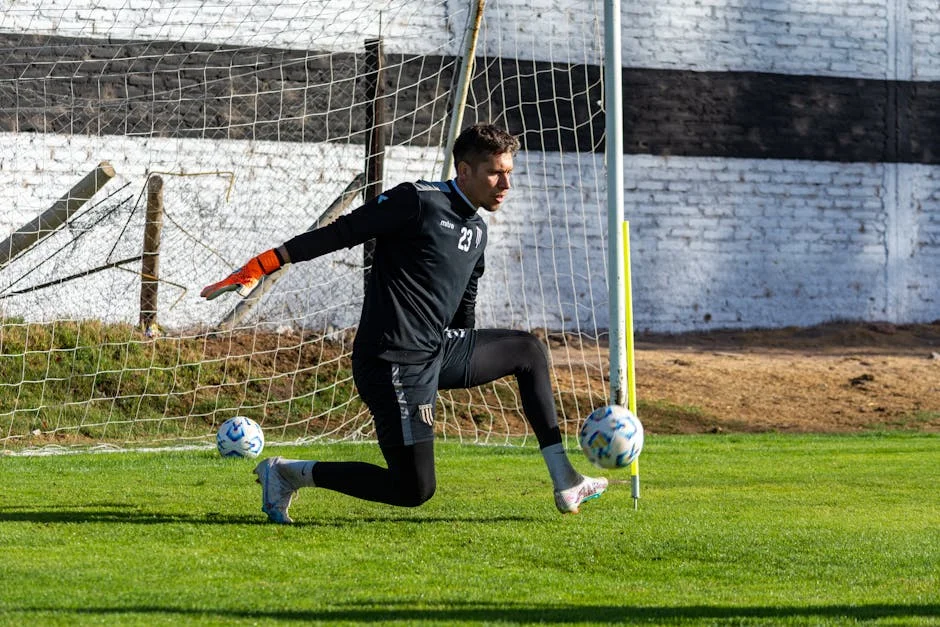
Luis, 39, has experience as a coach, having managed teams in Spain and Brazil. His potential appointment could bring a new tactical approach to the club, but it also raises questions about how this change will affect the wider football landscape. In Nigeria, where many fans follow English football closely, the news has been met with mixed reactions. Some see it as a positive step for the club, while others worry about the long-term implications for player development and fan engagement.
Impact on Nigerian Football Fans
For fans in Nigeria, the move is more than just a managerial change. The Nigerian football community has a strong connection with the English Premier League, with many young players aspiring to play for clubs like Chelsea. The potential appointment of Luis could influence how Nigerian fans view the club and its strategies. Some analysts argue that the presence of a familiar face could boost interest in the club, especially among younger audiences.
However, concerns remain about the broader implications. The Nigerian Football Federation has been working to strengthen ties with European clubs to improve the standard of play in the country. A high-profile appointment like Luis could be seen as a positive step, but it also raises questions about the long-term vision for Nigerian football. “If Chelsea is looking for a manager with experience in the Premier League, it shows that they are serious about their future,” said John Okafor, a football analyst based in Lagos. “But we need to see how this translates into opportunities for Nigerian players.”
What This Means for the Region
The decision by Chelsea to consider Filipe Luis as a potential manager highlights the global reach of English football and its influence on regional football ecosystems. In countries like Nigeria, where football is a major cultural and economic force, such moves can have ripple effects. The Nigerian Super League, for example, has seen an increase in investment and international exposure in recent years, partly due to the popularity of the Premier League.
The impact on local economies is also significant. Football-related businesses, including sports betting, merchandise sales, and media rights, rely heavily on the success and stability of top-tier clubs. A managerial change at Chelsea could influence fan behavior and, in turn, affect local markets. “If the club is seen as moving in the right direction, it could lead to increased viewership and more sponsorship deals,” said Amina Musa, a sports economist in Abuja.
The potential appointment of Luis also raises questions about the role of foreign coaches in Nigerian football. While many local coaches have been successful, there is a growing trend of hiring European managers to bring in new ideas and strategies. This shift could influence how Nigerian clubs approach player development and team management in the future.
Community Response and Local Reactions
Local communities across Nigeria have responded to the news with a mix of excitement and caution. In cities like Lagos and Abuja, where football is deeply embedded in daily life, the announcement has sparked discussions in cafes, on social media, and in local sports forums. Many fans are eager to see how the new manager will shape the club’s future, while others are concerned about the lack of local representation in top coaching roles.
Community leaders have also weighed in, emphasizing the importance of balancing global influences with local talent. “We need to ensure that our young players are given the same opportunities as their international counterparts,” said Bisi Adebayo, a sports advocate in Port Harcourt. “Chelsea’s decision could set a precedent for how clubs approach talent development in the region.”
What’s Next for Chelsea and the Region
Chelsea is expected to make a final decision on the managerial appointment within the next two weeks. The club’s board has emphasized the need for a stable and experienced leader to guide the team through the upcoming season. Meanwhile, in Nigeria, football fans and analysts will be watching closely to see how this development affects the broader landscape of African football.
The coming weeks will be crucial for both Chelsea and the wider football community in the region. With the 2024 season fast approaching, the focus will be on how the new leadership at the club translates into on-field success. For Nigerian fans, the outcome could shape their engagement with the Premier League and influence the future of football in the country.
See Also
- Nigeria's Tech Community Embraces Chrome Extensions to Boost Digital Economy
- Portuguese Star Pedro Pinto Joins Nigerian Media - A New Chapter for African Sports Journalism