Mikel Arteta faces a critical decision regarding Arsenal’s left-back position as the new Premier League season approaches. This tactical choice reflects a broader shift in how football clubs balance star power with consistent performance. Fans in Nigeria and across the Commonwealth watch closely, seeing parallels in their own sporting investments.
The debate over whether to prioritize style or substance is not unique to London. It echoes in local communities where sports teams serve as economic engines and social anchors. Every transfer decision ripples through the global sports market, affecting ticket prices, merchandise sales, and broadcasting deals.
Arteta’s Tactical Crossroads at Arsenal
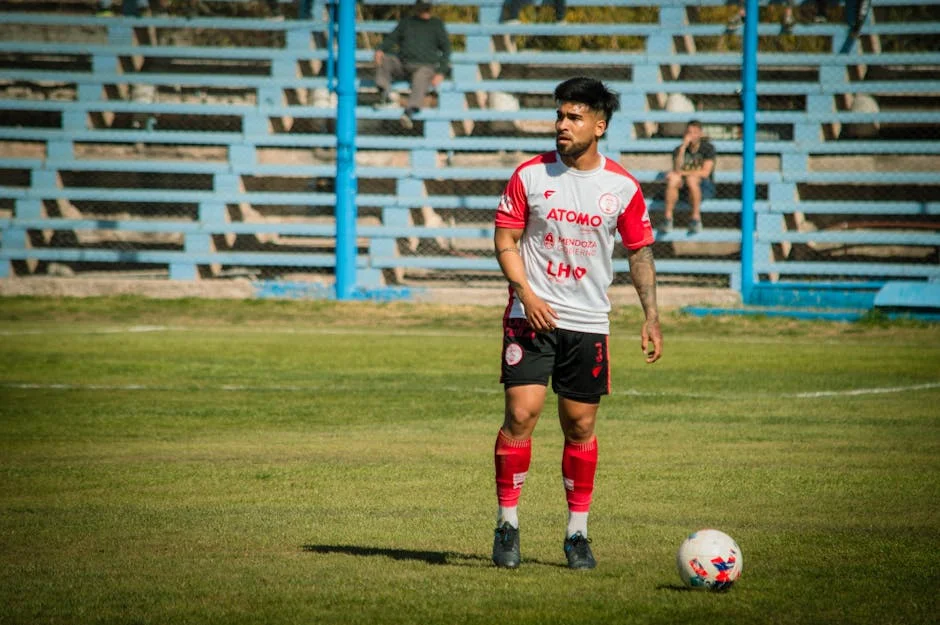
Mikel Arteta’s Arsenal stands at a pivotal moment in their pursuit of Premier League dominance. The manager must choose between a dynamic, attacking full-back and a more defensive, reliable option. This decision will define the team’s identity for the upcoming campaign.
The left-back role has evolved significantly in modern football. It is no longer just about defending the flank; it requires crossing ability, stamina, and tactical intelligence. Arteta’s choice will signal whether Arsenal intends to dominate possession or counter-attack swiftly.
This tactical uncertainty has sparked intense discussion among fans and analysts. Some argue that a more defensive approach is necessary to secure a top-four finish. Others believe that an attacking full-back is essential to break down stubborn defenses.
Global Interest in Premier League Dynamics
The Premier League remains the most-watched football league globally, with millions of fans in Nigeria tuning in weekly. The league’s competitiveness attracts top talent from every continent, creating a diverse and dynamic sporting environment. This global appeal drives significant revenue for clubs and broadcasters alike.
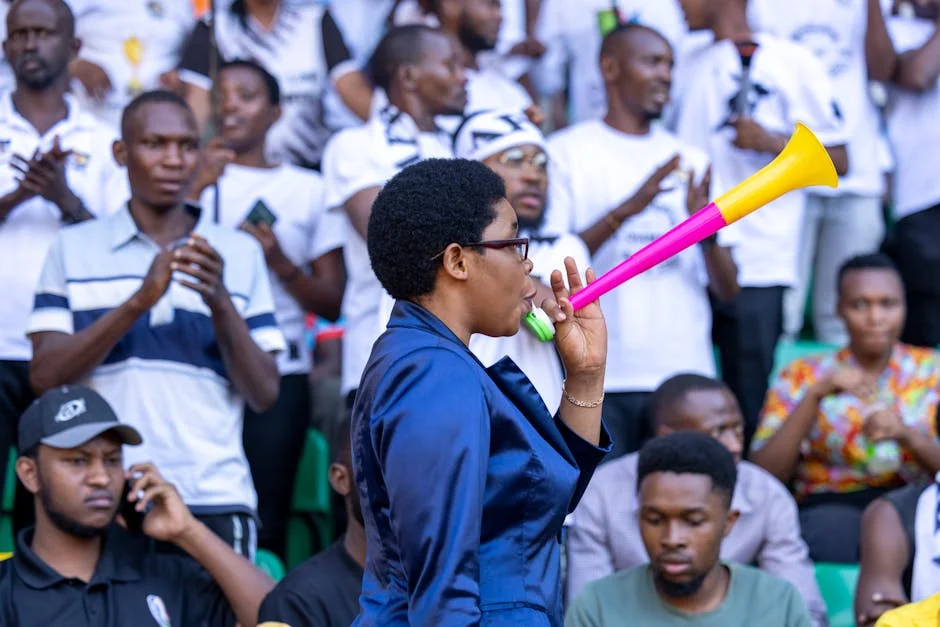
For Nigerian fans, the league offers more than just entertainment. It provides a shared cultural experience that brings communities together. Local pubs and viewing centers in cities like Lagos and Abuja become hubs of social interaction during match days. The economic impact is substantial, with increased sales of food, drinks, and merchandise.
The interest in Arsenal’s squad decisions reflects a deeper engagement with the sport. Fans analyze every move, every pass, and every substitution. This level of engagement demonstrates the league’s power to captivate audiences far beyond its geographic borders.
Economic Implications for Local Communities
The financial health of top football clubs has direct implications for local economies. When clubs perform well, tourism increases, and local businesses thrive. This is evident in London, where Arsenal’s matches draw thousands of visitors to North London. The ripple effect extends to hotels, restaurants, and transportation services.
In Nigeria, the influence of Premier League clubs is also felt economically. Sponsorship deals, broadcasting rights, and merchandise sales contribute to the local sports economy. The popularity of teams like Arsenal creates job opportunities and stimulates investment in sports infrastructure.
The decision to invest in a high-profile left-back or a cost-effective option reflects broader economic strategies. Clubs must balance immediate performance with long-term financial stability. This balance is crucial for sustaining success in an increasingly competitive market.
Local Business Opportunities in Lagos
In Lagos, the popularity of the Premier League has led to the rise of specialized sports bars and viewing centers. These businesses cater to the growing number of fans who prefer a communal viewing experience. The demand for quality food and drink options has also increased, benefiting local vendors and suppliers.
The economic benefits extend beyond match days. The constant flow of news, analysis, and debate keeps fans engaged throughout the week. This sustained interest drives consistent revenue for local businesses that capitalize on the football fever.
Community Response to Football Decisions
Football decisions, such as Arteta’s choice of left-back, resonate deeply within communities. Fans see their teams as extensions of their own identities and aspirations. A successful season can boost community morale and foster a sense of pride and unity. Conversely, a disappointing performance can lead to widespread discussion and reflection.
In Nigeria, football serves as a powerful social glue. It brings people from different backgrounds together, fostering dialogue and connection. The shared passion for the sport transcends social and economic divides, creating a common ground for interaction.
The community response to Arsenal’s tactical choices is a testament to the sport’s emotional impact. Fans invest time, money, and emotion into their teams, making every decision significant. This emotional investment drives the league’s enduring popularity and cultural relevance.
The Role of Media in Shaping Public Opinion
Media coverage plays a crucial role in shaping public opinion on football decisions. Newspapers, online platforms, and social media provide a constant stream of analysis and commentary. This coverage helps fans understand the nuances of tactical choices and their potential impact on the team’s performance.
In Nigeria, the rise of digital media has expanded access to football news. Fans can follow the latest updates, watch highlights, and engage in discussions with fans from around the world. This connectivity enhances the viewing experience and deepens fans’ engagement with the sport.
The media’s ability to frame narratives around decisions like Arteta’s left-back choice influences how fans perceive the team’s direction. Positive coverage can build momentum and optimism, while critical analysis can spark debate and scrutiny. This dynamic interaction between media and fans is a key driver of the league’s vibrant culture.
Looking Ahead: What to Watch Next
As the Premier League season progresses, fans will closely monitor the impact of Arteta’s left-back decision. The performance of the chosen player will be a key indicator of the team’s tactical success. Fans will also watch for any mid-season adjustments or transfers that could alter the team’s dynamic.
For Nigerian fans, the upcoming season offers exciting opportunities for engagement. Local viewing parties, fantasy leagues, and social media discussions will keep the football fever alive throughout the year. The economic and social benefits of this engagement will continue to support local communities and businesses.
The next major milestone will be the opening match of the new season, scheduled for late August. This match will provide the first real test of Arteta’s tactical choices and the team’s readiness for the campaign. Fans should watch for early signs of cohesion and performance in the left-back position.
Frequently Asked Questions
What is the latest news about arsenals leftback dilemma sparks debate on footballs economic shift?
Mikel Arteta faces a critical decision regarding Arsenal’s left-back position as the new Premier League season approaches.
Why does this matter for environment-nature?
Fans in Nigeria and across the Commonwealth watch closely, seeing parallels in their own sporting investments.
What are the key facts about arsenals leftback dilemma sparks debate on footballs economic shift?
It echoes in local communities where sports teams serve as economic engines and social anchors.