Following the death of a schizophrenic inmate at a Rio de Janeiro prison, Brazil's Justice Ministry has announced plans to improve mental health care for incarcerated individuals. The move comes after public outcry over the lack of adequate treatment for those with mental illnesses in the country's overcrowded prisons. The ministry's decision has sparked a broader conversation about the state of mental health services and the treatment of vulnerable populations in Brazil.
Death Triggers Calls for Reform
The incident occurred at the Bangu 12 prison complex in Rio de Janeiro, where a 34-year-old man with a history of schizophrenia died after being denied access to medication. The man, identified as Hugo, had been in custody for three years on charges of theft. His death has raised serious concerns about the treatment of mentally ill prisoners in Brazil, where over 20% of inmates suffer from some form of mental illness, according to a 2022 study by the National Council of Justice.
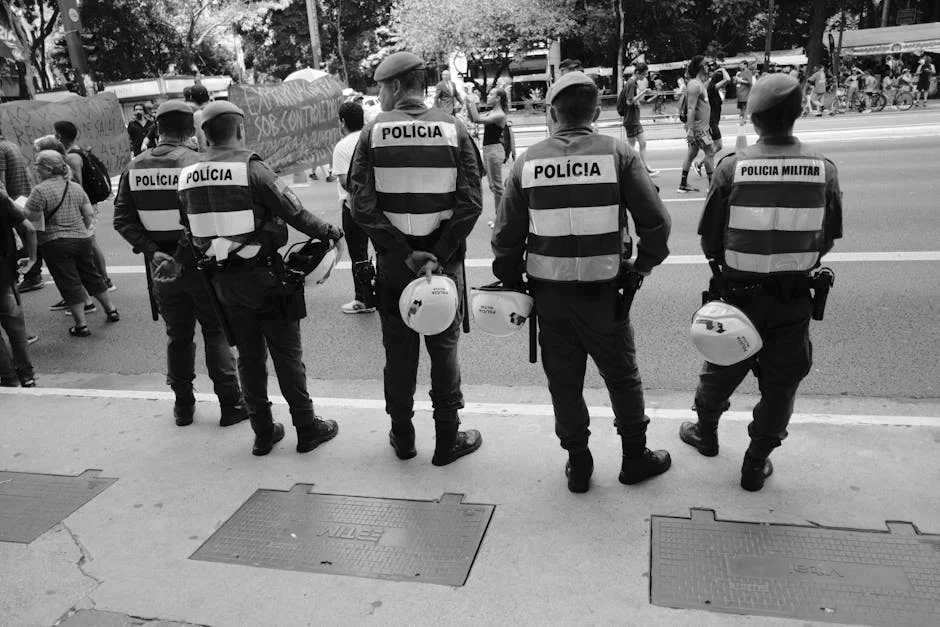
Justice Minister Flávia Almeida confirmed the ministry's commitment to improving conditions, stating that a new protocol will be introduced to ensure that mentally ill prisoners receive timely medical attention. "The death of Hugo is a wake-up call," she said in a recent press conference. "We must guarantee that no one is left without care, especially those in the most vulnerable situations."
Public Response and Community Impact
Local communities, particularly in Rio de Janeiro, have expressed mixed reactions. While some see the ministry's move as a positive step, others argue that systemic reform is needed. "This is just a small change," said Maria Silva, a community leader in the neighborhood of Santa Teresa. "We need long-term solutions, not just quick fixes."
Advocacy groups such as Apelo, a human rights organization based in São Paulo, have called for the government to invest more in mental health infrastructure. "Prisons are not hospitals," said João Ferreira, a representative of Apelo. "We need to create more specialized facilities and train staff to handle mental health crises."
Broader Implications for Mental Health Policy
The case has also reignited debates about the role of the government in mental health care. Brazil's mental health system is underfunded and overburdened, with only 15% of the population having access to adequate psychiatric services, according to the World Health Organization. The lack of resources has led to a growing number of individuals with mental illnesses ending up in the criminal justice system rather than in treatment programs.
Experts say the death of Hugo highlights a critical gap in the country's social safety net. "This is not just about prisons," said Dr. Ana Costa, a psychiatrist at the University of São Paulo. "It's about a broader failure to provide mental health support to those who need it most."
Efforts to Expand Mental Health Services
In response to the growing demand, the government has announced plans to expand mental health services in several states. The initiative includes the creation of 50 new community clinics and the hiring of 1,000 additional mental health professionals over the next two years. However, many critics argue that these measures are insufficient given the scale of the problem.
Local leaders are also pushing for more community-based support systems. "We need to move away from institutionalizing people and instead focus on prevention and early intervention," said Carlos Mendes, a municipal official in Rio. "That’s the only way we can truly make a difference."
What Comes Next
The Justice Ministry has set a deadline of December 2024 for the full implementation of its new mental health protocols. Meanwhile, advocacy groups are preparing to launch a public awareness campaign to highlight the issue and pressure the government to act.
As the debate continues, the story of Hugo serves as a stark reminder of the human cost of inaction. For communities across Brazil, the question remains: will this be the beginning of real change, or just another promise that goes unfulfilled?
See Also
- Nigeria Launches Email Marketing Guide Amid Digital Growth
- Portugal's Fuel Prices Surge: What It Means for Nigeria and Broader Economic Impacts
Experts say the death of Hugo highlights a critical gap in the country's social safety net. However, many critics argue that these measures are insufficient given the scale of the problem.