A judicial commission in South Africa is investigating serving police officers over alleged corruption, including claims that one officer received expensive gifts from a Brazilian lover while another operation involving cocaine seizures went badly wrong. The Madlanga Commission, sitting in Pretoria, has heard testimony that raises serious questions about integrity within the South African Police Service.
What the Commission Is Examining
The inquiry centres on two separate but linked allegations. First, testimony emerged that a police official accepted gifts from someone described as a Brazilian lover. Second, the commission has reviewed details of cocaine raids that officials carried out but which ended unsuccessfully. Both matters are now under formal scrutiny.
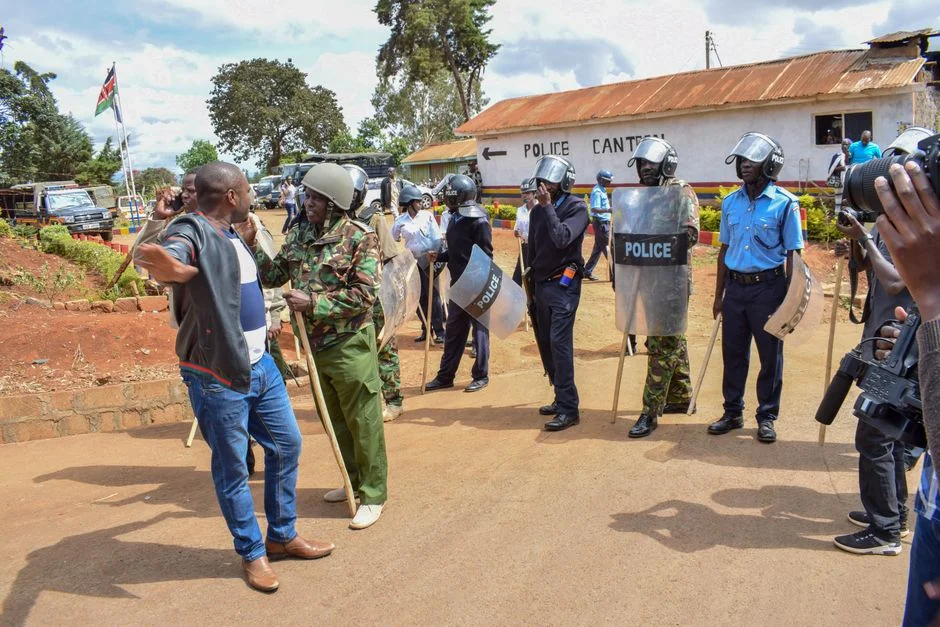
Commission chairperson Judge Pyana Madlanga is presiding over hearings that began this month. Senior officers have taken the stand, with some providing explanations for their actions while others have declined to answer certain questions citing legal advice.
The Alleged Gifts and What Witnesses Said
Testimony before the commission detailed how one officer allegedly received items of significant value from the Brazilian contact. The gifts reportedly included electronics and cash, according to witnesses who appeared before the panel. Investigators pursuing the matter claim records show multiple transactions between the officer and the individual abroad.
Commission counsel pressed officers on whether these gifts constituted conflicts of interest. The officer at the centre of the allegations denied any wrongdoing through his legal representative, insisting the relationship was personal and had no bearing on his professional duties.
Botched Cocaine Operations Under the Spotlight
Separately, the commission examined police actions during cocaine enforcement operations that failed to produce expected results. Witnesses described how officers conducted raids based on intelligence but recovered little or no contraband. In one instance, documents show a planned operation in Johannesburg was called off at the last moment without clear explanation.
Critics argue these failures suggest possible leaks within the force or deliberate interference to protect criminal networks. Police leadership has acknowledged there were operational shortfalls but denied any institutional corruption.
Locations Named in Testimony
Operations in Gauteng province featured prominently in testimony. Officers referenced planned raids in Johannesburg and surrounding areas that did not proceed as intended. The commission also heard about cancelled operations in Cape Town, where investigators believe tip-offs may have alerted suspects.
Why This Matters for South African Communities
For ordinary South Africans, police corruption strikes at the heart of public safety. When officers accept gifts or allow criminal operations to continue, communities bear the cost. Drug trafficking networks thrive when enforcement is compromised, feeding violence and instability in already fragile neighbourhoods.
Gauteng, South Africa's most populous province, has some of the highest crime rates in the country. Residents in townships around Johannesburg say they have little confidence in police after years of reported misconduct. The commission's findings could determine whether reform is possible or whether deeper institutional problems exist.
Broader Implications for Regional Security
South Africa serves as a key transit point for cocaine entering Africa from South America. International criminal organisations rely on corrupt officials to move product through ports and across borders. The allegations before the Madlanga Commission suggest these networks may have penetrated the police service at operational levels.
Neighbouring countries watch developments closely. Drug routes through South Africa affect the entire southern African region. If enforcement is compromised, trafficking networks expand operations into Namibia, Botswana, and beyond.
What Happens Next at the Commission
The Madlanga Commission is expected to continue hearings through the coming months. Investigators have requested access to additional financial records and travel documentation for officers named in testimony. Judge Madlanga has indicated the panel will issue a preliminary report once all evidence is heard.
Police Minister Bheki Cele has publicly supported the inquiry process while stopping short of confirming which officers face disciplinary action. The minister told reporters in Pretoria that the government would act on whatever recommendations the commission makes.
Citizens should watch for three developments: first, any additional officers called to testify; second, whether criminal charges follow the civil proceedings; and third, how police leadership responds if the commission recommends structural reforms to prevent future misconduct.
See Also
- Ebola Survivor Reveals Key Lessons on Speed and Compassion for West Africa's Future
- Kenya Court Blocks US Ebola Quarantine Plan — Communities Voice Relief
What is the latest news about madlanga commission probes south africa police over brazilian lovers gifts?
Why does this matter for health-medicine?
What are the key facts about madlanga commission probes south africa police over brazilian lovers gifts?