The Portuguese Government has announced its willingness to find solutions for the 25 de Abril Interpretative Centre in Pontinha, a historic site commemorating the 1974 Carnation Revolution. The statement came after months of delays and public frustration over the centre’s deteriorating condition and lack of investment. The announcement was made by the Ministry of Culture, which has been at the centre of the debate over the site’s future.
Historic Significance and Current Struggles
The 25 de Abril Centre, located in the coastal town of Pontinha, is a key cultural landmark in Portugal. It was established to mark the 1974 revolution that ended decades of authoritarian rule. However, the site has fallen into disrepair, with reports of crumbling infrastructure and a lack of funding for maintenance. The local community has raised concerns about the loss of a vital piece of national heritage.
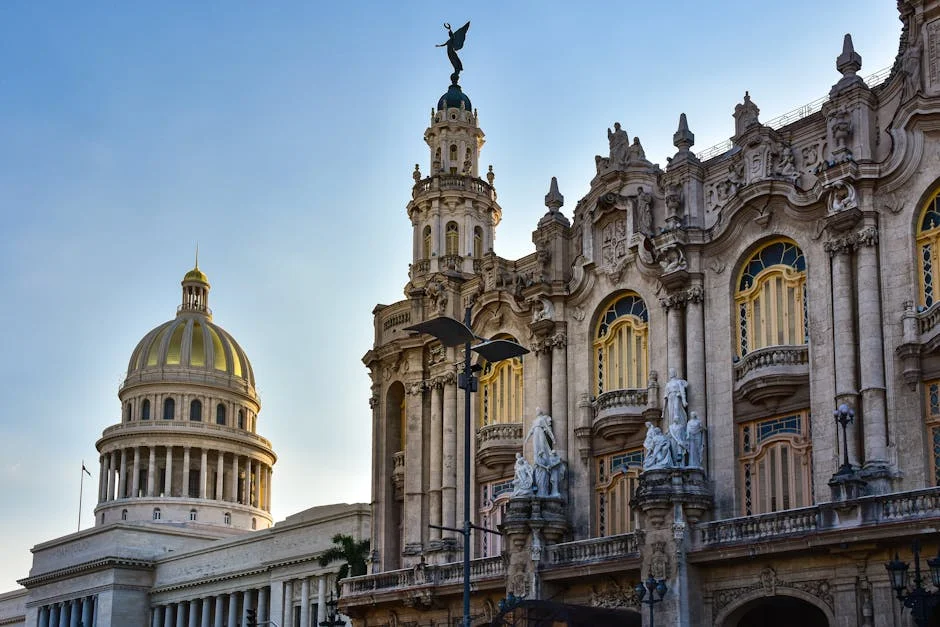
The Ministry of Culture has acknowledged the urgency of the situation. “We are committed to preserving this important part of our history and ensuring it remains accessible to future generations,” said Minister of Culture João Ferreira. The government’s latest move signals a shift from previous inaction, though details on funding and restoration plans remain unclear.
Impact on Local Communities
The decline of the 25 de Abril Centre has had a direct effect on the residents of Pontinha. The town, known for its historic architecture and connection to the revolution, has seen a drop in tourism. Local businesses, including cafes and souvenir shops, have reported a decline in visitors. “This site was a source of pride and a major draw for tourists,” said Maria Santos, a local shop owner. “Its neglect has hurt our economy.”
Community leaders have also voiced concerns about the loss of cultural identity. The centre was once a hub for educational programs and public events. Its current state has left many feeling disconnected from their history. “We need the government to act before it’s too late,” said José Oliveira, a history teacher and activist in the area.
Government Response and Next Steps
The government’s recent pledge to address the issue has been met with cautious optimism. While no official funding figures have been announced, the Ministry of Culture has indicated that a review of the site’s condition is underway. A team of experts will assess the structural integrity and propose a restoration plan by the end of the year. The government has also pledged to involve local stakeholders in the decision-making process.
Despite the positive tone, some critics argue that the government’s commitment is too vague. “We need concrete action, not just words,” said Ana Ferreira, a representative from the Cultural Heritage Association. “The site is in danger of being lost forever if nothing is done soon.”
What Comes Next?
The next major step will be the release of the assessment report, expected by December. If the findings confirm the need for urgent intervention, the government may allocate funds through its cultural preservation budget. Local officials are also pushing for public-private partnerships to supplement government efforts.
Residents of Pontinha and cultural advocates are urging the government to move quickly. “This isn’t just about a building—it’s about our history and our future,” said José Oliveira. “We hope the government will follow through on its promise.”
See Also
- Investec Appoints Ryan Friedman to Lead World Axis — Impact on Nigeria Unfolds
- Mais Exposes School Conditions: How It Affects Nigerian Education and Development