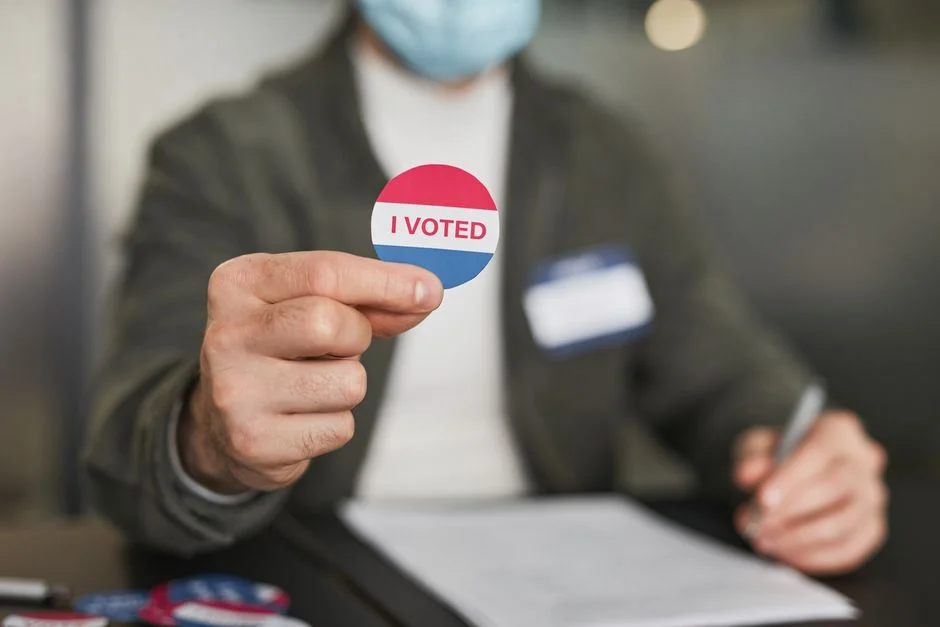
India's Ministry of Home Affairs has announced sweeping changes to electoral boundaries, triggering immediate concerns among voters in the northern states. The revised delimitation process, which redefines constituency lines, has been met with mixed reactions across the country. The move, which affects over 120 million voters in states like Uttar Pradesh and Punjab, has raised questions about political representation and resource allocation. The changes are part of a broader effort to realign electoral districts in line with the 2021 census data.
Revised Boundaries Spark Political Debate
The new delimitation framework, approved by the Election Commission in March 2025, has been criticised by opposition leaders as an attempt to dilute the political power of northern states. Prime Minister Narendra Modi’s government argues the changes ensure fairer representation, but critics say the process lacks transparency. In Delhi, the National Campaign for Free and Fair Elections (NCFE) has called for an independent review, citing concerns over the methodology used to redraw boundaries.
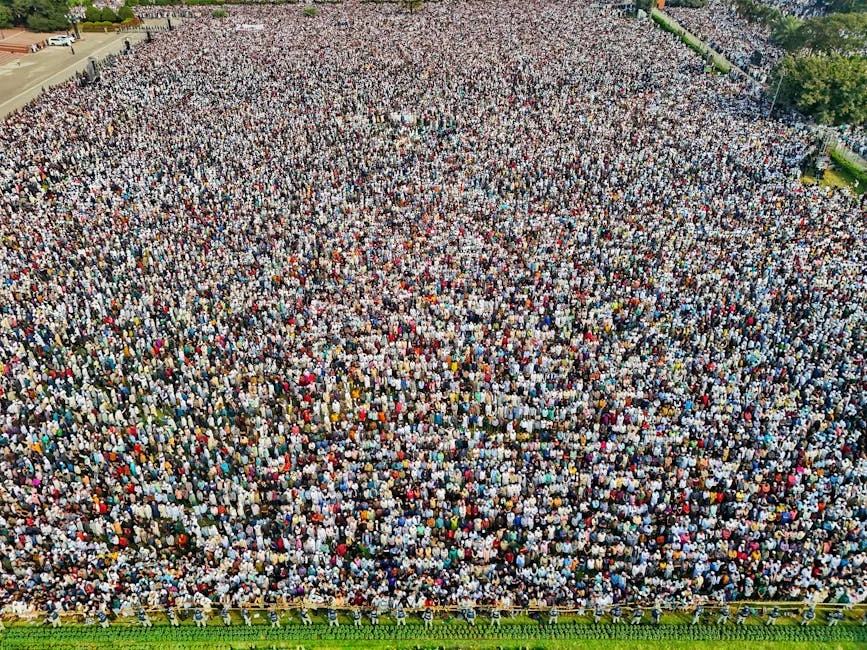
The impact is already being felt in cities like Lucknow and Chandigarh, where local leaders report confusion over new constituency lines. In Uttar Pradesh, where the population has grown by 20% since the last census, 25 new seats have been created, but many residents feel the changes have not been properly communicated. "We are being told our voting districts have changed, but no one has explained how this affects us," said Ravi Sharma, a voter in Lucknow.
Regional Disparities Raise Concerns
Delimitation has long been a sensitive issue in India, with the north and south often at odds over representation. The latest changes have intensified these tensions. In Tamil Nadu, where the population has grown more slowly, the number of constituencies has remained stable, while in the north, where population growth is higher, more seats have been added. This has led to accusations of a "north-south divide" in political power, with southern states feeling their influence is being diluted.
Political analysts warn that the new boundaries could shift the balance of power in upcoming elections. "The way constituencies are drawn will determine which parties gain or lose ground," said Dr. Anjali Mehta, a political scientist at the Indian Institute of Public Administration. "This is not just about numbers — it's about who gets heard in Parliament."
The government maintains that the delimitation process is necessary to reflect demographic shifts. "We have to ensure that every citizen's voice is counted fairly," said Home Minister Amit Shah. However, many in the north argue that the changes have not been adequately explained or debated at the local level.
Impact on Local Governance
The new boundaries are expected to affect local governance structures, particularly in rural areas. In states like Bihar and Rajasthan, where many communities rely on local leaders for essential services, the reconfiguration of constituencies may lead to confusion over jurisdiction. Village councils and panchayats are now scrambling to update their records and ensure they are aligned with the new district lines.
In Bhopal, a local councillor, Priya Kapoor, said the changes have created administrative challenges. "We are not being given enough time to adjust. Our office has been overwhelmed with queries from residents," she said. "This is a critical moment for our community, and we need clarity."
Community Responses Vary Widely
Public reactions to the delimitation changes have been mixed. In urban centres like Mumbai and Bangalore, where voters are more politically active, there has been a strong push for transparency. In contrast, in rural areas, many citizens are unaware of the changes or their implications. "We don’t know what this means for us," said a farmer in Haryana. "We just want to vote as we always have."
Local NGOs have stepped in to provide information, with groups like the People’s Union for Civil Liberties (PUCL) launching awareness campaigns in several states. "This is a crucial time for civic engagement," said PUCL activist Arjun Reddy. "We need to make sure people understand their rights and how these changes affect them."
Despite the concerns, some see the delimitation as an opportunity. In Chandigarh, a young entrepreneur, Meera Singh, welcomed the changes, believing they could lead to better infrastructure and services. "If the new boundaries mean more attention for our region, that's a good thing," she said.
What Comes Next?
The next major step in the delimitation process is the publication of final maps, expected by the end of June 2025. Once approved, the new boundaries will be used in the 2029 general elections. Until then, political parties and civil society groups will continue to monitor the process, with some calling for further public consultations.
For now, the focus remains on ensuring that the changes are implemented fairly and transparently. As the debate continues, the people of India will be watching closely to see if the new boundaries truly reflect their voices or if they deepen existing divides.
See Also
- Andhra Temple's Kicks For Blessings Tradition Sparks Debate
- Nigeria Releases 5,000 Parolees Amid Easter Crime Surge
Impact on Local Governance The new boundaries are expected to affect local governance structures, particularly in rural areas. "This is a critical moment for our community, and we need clarity." Community Responses Vary Widely Public reactions to the delimitation changes have been mixed.
What is the latest news about india announces delimitation changes voters in north face uncertainty?
Why does this matter for economy-business?
What are the key facts about india announces delimitation changes voters in north face uncertainty?