Rosalía no céu e Deus no feed, a cultural and spiritual movement, has sparked a wave of discussions across Lisboa, Portugal, as local communities grapple with its implications. The initiative, led by religious leader Pascal, aims to integrate faith with modern social practices, prompting both admiration and concern among residents. With over 12,000 participants registered in the first month, the project has drawn attention from across the region, including Nigeria, where similar faith-based movements have seen mixed results.
Deus’s Expansion into Lisboa
The movement, founded by Pascal, has grown rapidly since its launch in 2023. In Lisboa, it has taken on a new dimension, with community centers opening in key districts such as Alfama and Mouraria. These centers offer spiritual guidance, educational programs, and support for local families. The initiative, which has attracted the attention of both local and international media, is part of a broader strategy to promote religious and social cohesion in urban areas.

Deus’s approach is rooted in traditional values but incorporates modern outreach methods, including social media campaigns and digital engagement. This has led to increased participation, particularly among younger residents. “We’re not just preaching; we’re connecting,” said Pascal, who has become a prominent figure in the movement. “Our goal is to create a community that supports each other, both spiritually and practically.”
Impact on Local Communities
The expansion of Deus in Lisboa has had a direct impact on daily life for many residents. In neighborhoods like Alcântara, local businesses have reported increased foot traffic due to the movement’s presence. Some shopkeepers have even started offering discounts to members of the community. “It’s a positive change,” said Carolina Franco, a local baker. “People are more engaged, and that helps everyone.”
However, not all residents are convinced. Some have raised concerns about the movement’s influence on public spaces and its potential to overshadow existing community organizations. “We need to ensure that everyone’s voice is heard,” said Numa, a community organizer in the district. “Deus is welcome, but it shouldn’t come at the expense of other initiatives.”
Broader Regional Implications
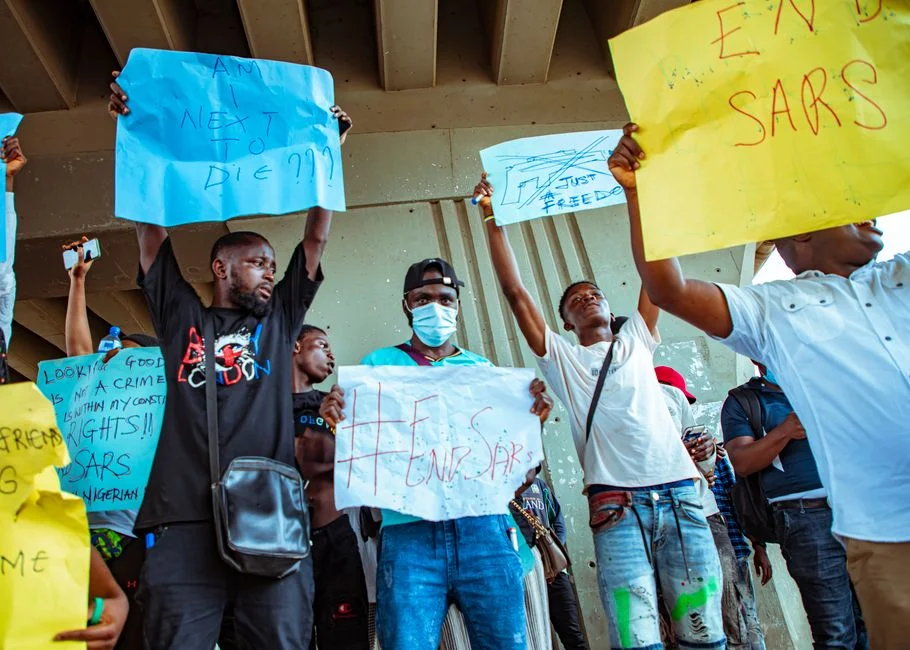
The growth of Deus in Lisboa has sparked interest in other parts of the region, including Nigeria, where similar faith-based movements have seen both support and resistance. In Lagos, for example, a parallel initiative has faced challenges from local authorities who worry about the influence of foreign religious groups. “We need to be cautious,” said a local religious leader. “While faith can bring people together, it can also divide if not managed properly.”
Analysts suggest that the success of Deus in Lisboa could serve as a model for other regions. “If they can balance tradition with modernity, they might have a real impact,” said a researcher at the University of Lisbon. “But they also need to be sensitive to local cultures and concerns.”
Community Response and Challenges
The response to Deus has been mixed. While some communities have embraced the movement, others have remained skeptical. In the central district of São Bento, a group of residents formed a coalition to monitor the movement’s activities. “We’re not against faith, but we want to ensure transparency,” said a member of the coalition. “We need to know what they’re really doing here.”
Despite these concerns, the movement has also led to greater civic engagement. Local leaders have reported increased participation in community meetings and volunteer programs. “It’s a sign that people are starting to take an interest in their surroundings,” said a municipal official. “That’s a good thing.”
Looking Ahead
As Deus continues to expand in Lisboa, the coming months will be critical. The movement plans to launch a new phase of its initiative in early 2025, focusing on youth education and community development. This will be a test of its ability to maintain momentum while addressing the concerns of local residents.
For now, the focus remains on how the movement will shape the social and cultural landscape of Lisboa. With its growing influence, the question is not just about faith, but about how communities choose to engage with new ideas and movements.
See Also
- Nigeria Trains 78,000 Health Workers: A Major Leap for Universal Coverage
- Rio Ave Secures Julien Lomboto's Commitment Until 2028 — What This Means for African Talent
“While faith can bring people together, it can also divide if not managed properly.” Analysts suggest that the success of Deus in Lisboa could serve as a model for other regions. “If they can balance tradition with modernity, they might have a real impact,” said a researcher at the University of Lisbon.
What is the latest news about deus launches new initiative in lisboa amid rising tensions?
Why does this matter for economy-business?
What are the key facts about deus launches new initiative in lisboa amid rising tensions?