Rising prices and stubbornly low wages are squeezing South African households into a corner. The cost of living crisis is no longer a distant economic indicator but a daily struggle for families across the nation. Citizens in Johannesburg and Cape Town are feeling the pinch as their purchasing power erodes rapidly.
Cost of Living Crisis Deepens for Urban Families
The latest data reveals that inflation remains the primary enemy of the average South African wallet. Prices for essential goods have surged, outpacing the modest wage increases offered by many employers. This gap means that even those with steady jobs are watching their savings dwindle each month.
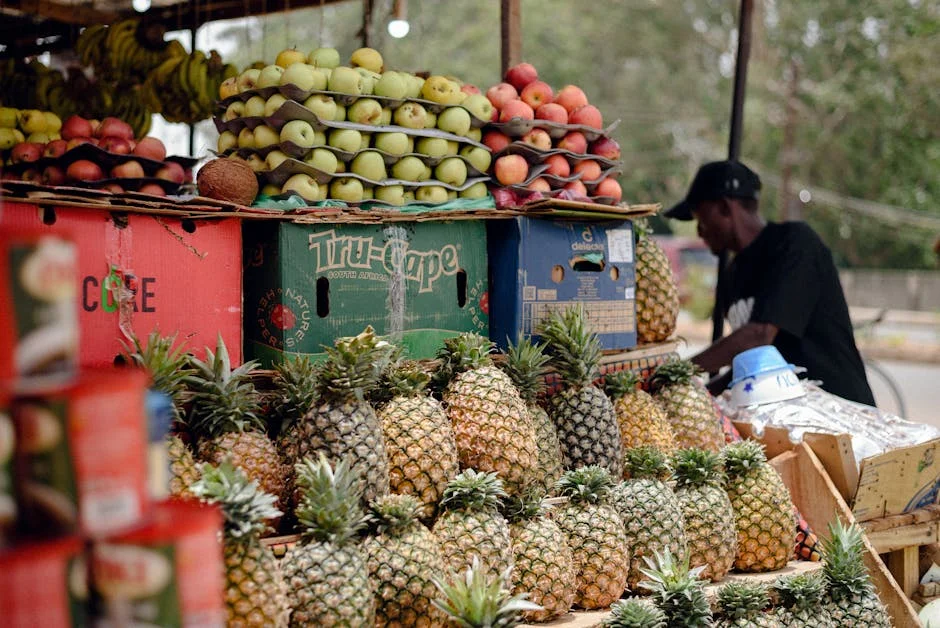
Residents in major urban centers like Johannesburg report that grocery bills have become unpredictable. A simple trip to the supermarket can cost significantly more than it did a year ago. Families are forced to make difficult choices between quality and quantity when buying basic staples.
The impact is most visible in the informal sectors where cash flow is king. Vendors in townships are seeing customers trade down to cheaper brands or buy in smaller quantities. This shift indicates a broader change in consumer behavior driven by sheer necessity rather than preference.
Wage Stagnation Leaves Workers Behind
While prices climb, wages have remained relatively flat for a large portion of the workforce. This disconnect between income and expenditure is creating a sense of financial anxiety among employees. Many workers feel that their hard work is no longer rewarded with proportional financial gain.
The formal sector has seen some wage adjustments, but they rarely keep pace with the Consumer Price Index. Service industry workers, who form a significant chunk of the economy, are particularly vulnerable. Their hourly rates often fail to account for the rising cost of transport and food.
Impact on the Middle Class
The middle class, once seen as the backbone of the economy, is shrinking under financial pressure. Professionals in Cape Town are finding that their disposable income is being eaten away by housing costs and utilities. This erosion of the middle class threatens the stability of the broader consumer market.
Households are delaying major purchases such as cars and electronics to free up cash flow. This hesitation ripples through the economy, affecting sales figures and business revenues. Companies are responding by offering promotions, but these are often short-term fixes for a long-term problem.
The psychological toll on families is also becoming apparent. Financial stress leads to increased anxiety and affects decision-making within the household. Parents worry about the future education and health of their children as budgets tighten.
Food Prices Drive Household Expenditure
Food inflation is a critical component of the overall cost of living crisis. Staple items like maize, bread, and milk have seen consistent price hikes. These essentials form the bulk of the budget for lower-income families, making them highly sensitive to price changes.
The price of meat has also risen, forcing many households to rely more on carbohydrates. This dietary shift has implications for nutrition and health outcomes in the long run. Communities in the Western Cape are reporting that protein has become a luxury item for many.
Supermarket chains are adjusting their pricing strategies to attract price-sensitive shoppers. Private labels are gaining popularity as consumers look for value for money. However, these savings are often offset by the sheer volume of goods needed to fill the pantry.
Transport costs further exacerbate the food price issue. For commuters in Pretoria, the cost of getting to work eats into the money available for groceries. This double burden makes it difficult for families to break free from the cycle of monthly financial strain.
Energy Costs Add to Financial Burden
Energy costs continue to play a significant role in household budgets. The ongoing electricity crisis in South Africa has led to higher tariffs and increased reliance on generators. These additional expenses add up quickly, leaving less money for other essentials.
Load shedding, the scheduled power outages, forces households to invest in alternative power sources. Batteries, solar panels, and inverters are now common investments for middle-class families. This upfront cost is a significant financial hurdle for many households.
For those who cannot afford these investments, the cost of kerosene and candles adds to the monthly bill. This disparity highlights the growing inequality in how different income groups cope with the same national challenges. The energy crisis thus becomes a multiplier of existing economic pressures.
Businesses are also passing on energy costs to consumers through higher service fees. This means that everything from a cup of coffee to a gym membership has become more expensive. The ripple effect of energy costs is felt in almost every aspect of daily life.
Community Responses and Coping Mechanisms
South African communities are developing innovative ways to cope with the economic pressure. Community gardens are becoming more popular as a way to reduce food costs. These initiatives not only provide fresh produce but also foster social cohesion among neighbors.
Informal support networks are strengthening as families pool resources to manage expenses. Extended families often come together to share the cost of housing and utilities. This traditional approach to financial management is proving resilient in the face of modern economic challenges.
Local governments are also stepping in with various relief programs. Subsidies for electricity and water are being targeted at the most vulnerable households. These interventions provide some breathing room but are often seen as temporary measures.
NGOs are playing a crucial role in providing food parcels and financial literacy workshops. These organizations help communities understand their budgets and make informed financial decisions. Their work is essential in bridging the gap between government policy and grassroots reality.
Implications for the Regional Economy
The economic struggles in South Africa have implications for the broader region. As the largest economy in Southern Africa, its performance affects trade and investment flows. Neighboring countries are watching closely to see how the crisis unfolds and what lessons can be learned.
For Nigeria and other regional partners, the South African experience offers valuable insights. Understanding how inflation and wage stagnation interact can help policymakers in other nations. The dynamics of consumer behavior in South Africa are particularly relevant for emerging markets.
Trade relationships may be adjusted as South African consumers become more price-sensitive. Imports from neighboring countries might see a shift in demand patterns. This could present both opportunities and challenges for regional traders and manufacturers.
The labor market in South Africa is also a point of interest for regional employers. The skills and adaptability of South African workers are assets that can be leveraged across borders. Understanding the local labor dynamics is crucial for regional economic integration.
What to Watch in the Coming Months
The next few months will be critical in determining the trajectory of the cost of living crisis. Key indicators such as the Consumer Price Index and unemployment rates will provide insights into the economic health. Policymakers will need to act decisively to stabilize prices and boost wages.
Investors are watching for signs of stabilization in the retail and service sectors. Consumer spending patterns will indicate whether households are recovering or continuing to tighten their belts. This data will influence investment decisions and business strategies across the country.
Political decisions regarding subsidies and tax reforms will also play a significant role. The upcoming budget announcements will be closely analyzed for measures to alleviate household pressures. Citizens are looking for concrete actions that will provide immediate relief.
Communities will continue to adapt and innovate in the face of economic challenges. The resilience of South African households will be tested in the coming months. Monitoring these grassroots responses will provide valuable context for understanding the broader economic landscape.
See Also
- Turaki Leads PDP Meeting in Abuja as Bala Mohammed's Influence Grows
- Nigerian Suspect Charged with Homaging Andrew Tate During Arrest Reveals Deeper Issues