The Bundesliga match between St. Pauli and Köln turned chaotic on Saturday when pyrotechnics exploded in the away fans' section, forcing officials to halt the game for over an hour. The incident, which occurred in the first half at the Millerntor-Stadion in Hamburg, raised concerns about safety and security in German football. The match, which had already drawn significant attention due to the rivalry between the two clubs, now faces potential postponement as authorities investigate the cause of the firework explosion.
Pyrotechnics in the Guest Block Cause Panic
During the 28th minute of the match, a series of loud explosions were heard from the St. Pauli supporters' section, which is typically reserved for away fans. The noise and smoke led to confusion among players and spectators, with some fans fleeing the stands. Police and stadium security quickly intervened, evacuating the area and halting the game. The Bundesliga confirmed that the match would not resume until further notice, pending a full investigation into the incident.
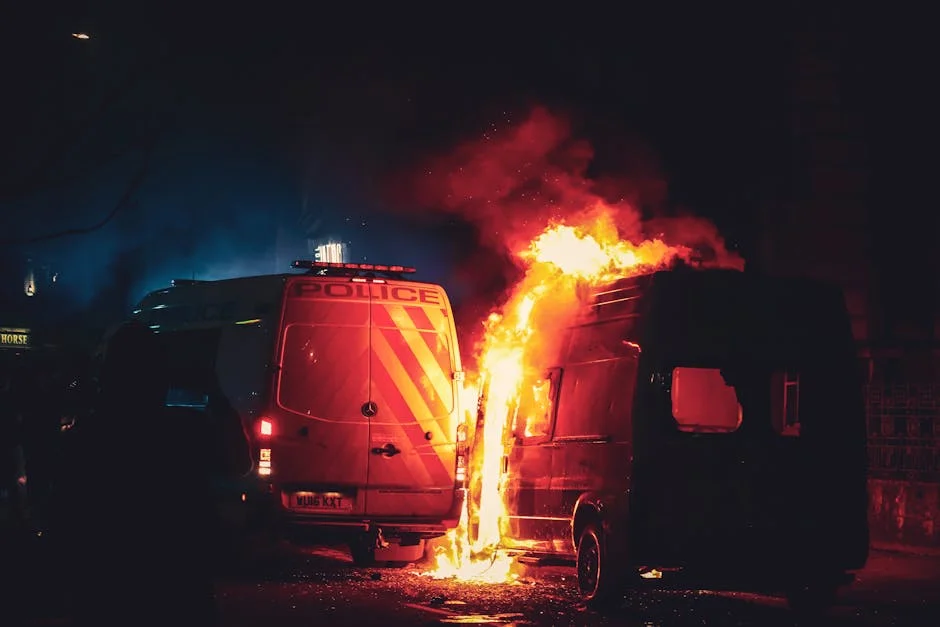
The use of pyrotechnics in football stadiums has been a long-standing issue in Germany, particularly in matches involving rival clubs. While some fans view the displays as a tradition, others see them as a dangerous and disruptive element. The German Football Association (DFB) has repeatedly warned against the use of such devices, but enforcement remains a challenge, especially in high-tension matches like St. Pauli vs Köln.
Impact on Local Communities and Football Culture
The incident has sparked outrage among local residents and football fans in Hamburg, who fear that such events could deter future matches from being held in the city. The Millerntor-Stadion, home to St. Pauli, is known for its passionate fan base, but the recent violence has raised questions about the long-term viability of hosting high-profile games. Local businesses near the stadium, including bars and restaurants, also expressed concerns about the potential loss of revenue if the stadium is deemed unsafe.
St. Pauli, a club with a strong working-class following, has often been associated with a more rebellious fan culture. The club's leadership has called for stricter enforcement of safety rules, while local authorities have reiterated their commitment to cracking down on dangerous behavior. "We cannot allow our stadiums to become battlegrounds," said Hamburg's sports minister, Dr. Lena Weber, in a statement. "Football should be a source of unity, not division."
Broader Implications for German Football
The incident has also drawn attention from national football officials. The Bundesliga has announced that it will review its security protocols following the event, with a focus on improving communication between stadium staff and police. Some clubs have already begun implementing stricter measures, such as increased bag checks and the use of surveillance technology. However, critics argue that these steps may not be enough to prevent future incidents.
The situation has also raised concerns about the broader culture of football in Germany. While the sport is a unifying force for many, the use of pyrotechnics and other forms of fan violence has become a growing problem. The DFB has been under pressure to take a stronger stance on the issue, with some fans calling for a complete ban on pyrotechnics in stadiums.
What’s Next for the Match and the Clubs?
The Bundesliga has yet to announce whether the match will be rescheduled or cancelled. If postponed, it could create scheduling challenges for both clubs, which are currently competing in the mid-table of the league. The outcome of the investigation will also determine whether any disciplinary action is taken against the fans involved in the incident.
For now, the focus remains on ensuring the safety of fans and players. The DFB has urged clubs to take the matter seriously and to work closely with local authorities to prevent similar incidents in the future. "This is not just about one match," said DFB spokesperson Markus Schäfer. "It's about the future of football in Germany."
The situation will be closely monitored by fans, officials, and local communities. With the next round of Bundesliga matches approaching, the incident has highlighted the need for a more proactive approach to fan safety. What happens next could set a precedent for how football is managed in the country.