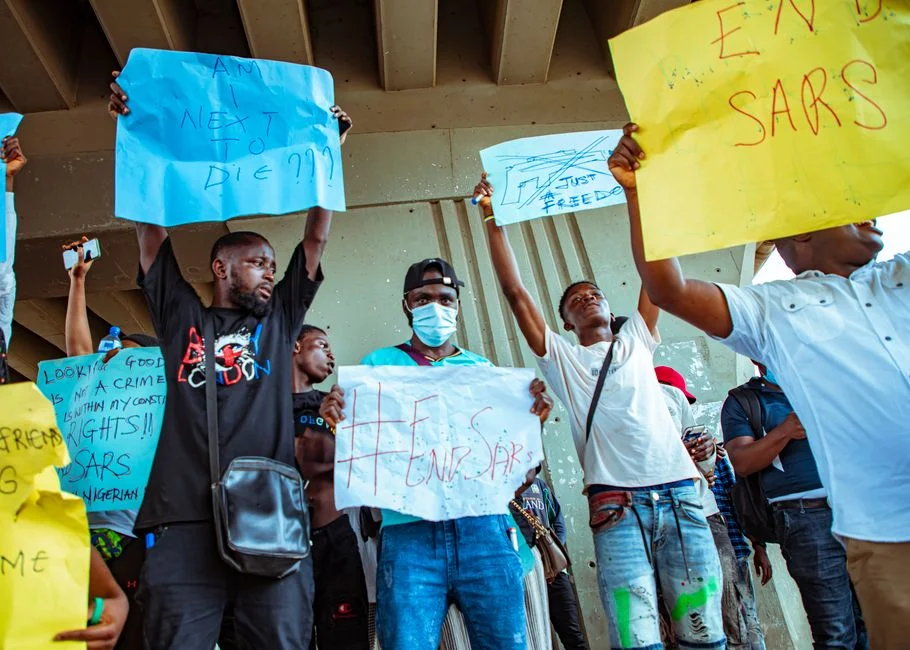
Noida workers have maintained their protests for a third consecutive day, demanding better working conditions and higher wages as talks with the government remain deadlocked. The demonstrations, which began on Monday, have seen sporadic clashes with security forces, with reports of stone-pelting and arson incidents in the industrial zones of Gautam Budh Nagar. The Noida Industrial Area has become a focal point of the unrest, with over 10,000 workers participating in the strikes.
Protests Intensify as Negotiations Fail
Workers from several factories in Noida, including those in the manufacturing and textile sectors, have joined the protests, citing long-standing grievances over wages and safety standards. The Noida Administration has been in discussions with trade unions since last week, but no agreement has been reached. The Gautam Budh Nagar Commissioner, Rakesh Kumar, said the government is committed to resolving the issue but emphasized the need for dialogue rather than confrontation.

“We are in talks with the unions, but we cannot allow disruptions to public order,” Kumar stated. “The workers have valid concerns, and we are working to address them.” Despite this, the protests have continued, with some workers setting fire to vehicles and blocking major roads. The local police have deployed additional personnel to manage the situation, but tensions remain high.
Impact on Daily Life and Local Economy
The ongoing protests have had a significant impact on daily life in Noida, with traffic congestion reported across several areas. Local businesses, especially those in the retail and service sectors, have seen a decline in customers. “The protests have disrupted our operations for days now,” said Anjali Sharma, a shop owner in Sector 62. “We are losing money, and it’s hard to know when things will return to normal.”
The local economy, which relies heavily on manufacturing and industrial activity, has also suffered. Factories in the Noida Industrial Area have reported reduced output, with some shutting down for the day. The impact is felt most acutely by small and medium-sized enterprises that depend on consistent production schedules. “Our workers are on strike, and we can’t operate without them,” said Rajesh Mehta, a factory manager. “This is affecting our ability to meet orders and pay suppliers.”
Community Response and Social Tensions
Local communities have responded with mixed reactions. While some residents support the workers’ demands for better conditions, others are concerned about the disruption and safety risks. “I understand the workers’ frustration, but the protests are causing chaos,” said Arjun Patel, a resident of Noida. “We need a solution that protects both the workers and the community.”
Community leaders have called for a peaceful resolution, with several groups organizing meetings to mediate between the workers and the government. “We need to find a middle ground,” said Dr. Priya Kapoor, a local social worker. “The protests are a symptom of deeper issues, and we need to address them without causing further harm.”
What’s Next for Noida and Its Workers
The situation remains fluid, with the next round of negotiations scheduled for Thursday. If no agreement is reached, the protests could escalate further, potentially leading to more disruptions. Workers have also threatened to extend their strike if their demands are not met. “We will not back down,” said Ravi Singh, a representative of the Noida Workers’ Union. “We want fair treatment and better working conditions.”
For now, the government has not announced any new measures to resolve the crisis, but pressure is mounting from both the public and the private sector. The outcome of the upcoming talks will be closely watched, as it could determine the future of labor relations in the region. Citizens and businesses alike are hoping for a swift and peaceful resolution to the ongoing unrest.
See Also
- Hail and Flooding Disrupt Four South African Provinces, Straining Development Gains
- Mets vs Giants: How to Watch on SNY on April 5, 2026