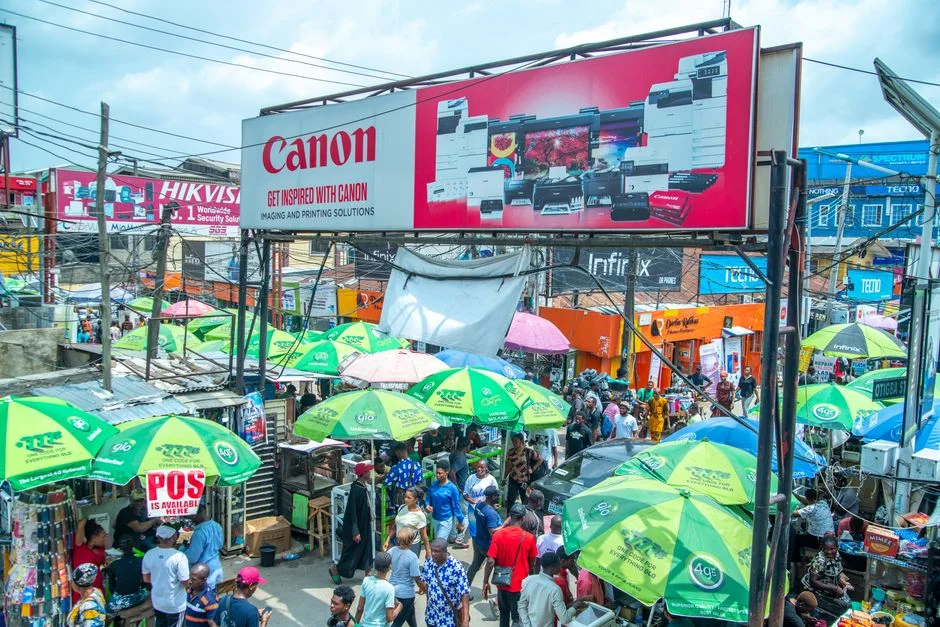
Leonor Beleza, the newly appointed Minister of Economic Development, has unveiled a bold initiative targeting Lagos, Nigeria’s economic hub, as the city grapples with rising inflation and stagnant job growth. The plan, announced on Monday, includes a 15% increase in public infrastructure funding and a series of tax incentives for small and medium enterprises. The move comes as the Nigerian economy faces a 12.4% inflation rate, according to the National Bureau of Statistics.
Leonor Beleza's Vision for Lagos
Beleza, a former economist with the African Development Bank, has positioned herself as a reformist leader, vowing to tackle the economic challenges that have plagued Nigeria for years. Her initiative focuses on infrastructure, job creation, and attracting foreign investment. “Lagos is the engine of Nigeria’s economy, and we must ensure it runs efficiently,” she said during a press conference in the city’s central business district.

The plan includes a 15% increase in public infrastructure funding, with a focus on road maintenance, power supply, and digital connectivity. The government has also pledged to streamline the process for small businesses to obtain licenses, aiming to reduce the 30-day average wait time currently reported by the Lagos Chamber of Commerce.
Immediate Reactions from Lagos Residents
Residents in Lagos have responded with a mix of hope and skepticism. Amina Yusuf, a small business owner in the Victoria Island district, said the plan could help ease the burden on local traders. “We’ve been struggling with high operational costs and unreliable electricity. If this is implemented properly, it could make a real difference,” she said.
However, some critics argue that the initiative lacks concrete timelines and accountability measures. “We’ve heard similar promises before,” said Chidi Okoro, a community leader in the Ikeja area. “We need to see results, not just talk.”
Impact on Local Economy and Daily Life
The initiative is expected to affect millions of residents, particularly those in low-income neighborhoods. With Lagos accounting for 30% of Nigeria’s GDP, any economic shift here can ripple across the country. The government has also announced a new social housing project aimed at providing affordable homes to 50,000 families over the next two years.
Local industries, including construction and technology, are also anticipated to benefit. The government has partnered with private firms to create a digital infrastructure fund, which will support startups and tech innovation in the region. This move is expected to create 10,000 new jobs by 2025, according to official projections.
Challenges and Skepticism
Despite the optimism, several challenges remain. Critics point to the government’s track record in implementing large-scale projects, many of which have faced delays and mismanagement. The current budget allocation for infrastructure is also under scrutiny, as it is less than 5% of the total national budget, far below the 10% recommended by international financial institutions.
Additionally, the success of the initiative will depend heavily on the cooperation of state and local governments, which have historically been slow to act on federal policies. “This is a good start, but we need to see more transparency and community involvement,” said Dr. Nia Okafor, a senior economist at the University of Lagos.
What’s Next for Leonor Beleza’s Plan
The government has set a timeline for the first phase of the initiative, with pilot projects expected to begin in the next three months. The Ministry of Economic Development has also launched a public consultation process to gather feedback from citizens and business leaders.
Leonor Beleza has emphasized the importance of public engagement, stating that the success of the plan will depend on collaboration. “We are not just making policies for the people—we are making them with the people,” she said.
As Lagos and the wider region watch closely, the coming months will determine whether Beleza’s vision translates into tangible improvements for everyday citizens. The government has set a deadline of December 2024 for the first major review of the initiative, with a focus on job creation and infrastructure progress.
See Also
- Portugal Defeats Kosovo in U-17 Women's Euro Qualifiers — What It Means for Development
- Karnataka Government Unveils IVF Centres in Bengaluru and Kalaburagi: What It Means for Healthcare
Critics point to the government’s track record in implementing large-scale projects, many of which have faced delays and mismanagement. Leonor Beleza has emphasized the importance of public engagement, stating that the success of the plan will depend on collaboration.
What is the latest news about leonor beleza launches new initiative in lagos amid economic strain?
Why does this matter for economy-business?
What are the key facts about leonor beleza launches new initiative in lagos amid economic strain?