Chile’s new government has announced plans to accelerate copper mining projects, aiming to meet rising global demand, particularly from the United States. The move comes as supply chains face pressure due to geopolitical tensions and the energy transition. The Ministry of Mining, led by Minister Carolina Pascual, confirmed the initiative, which could reshape the region’s economic landscape.
Chile’s Strategic Move to Expand Copper Production
The government has prioritised the development of key copper projects in the Atacama Desert, the world’s largest lithium and copper-producing region. According to the Chilean Mining Council, the country produces nearly 28% of the world’s copper, but current output is not enough to meet projected demand from the US and other industrial nations. Minister Pascual stated that the goal is to increase annual production by 15% over the next five years.
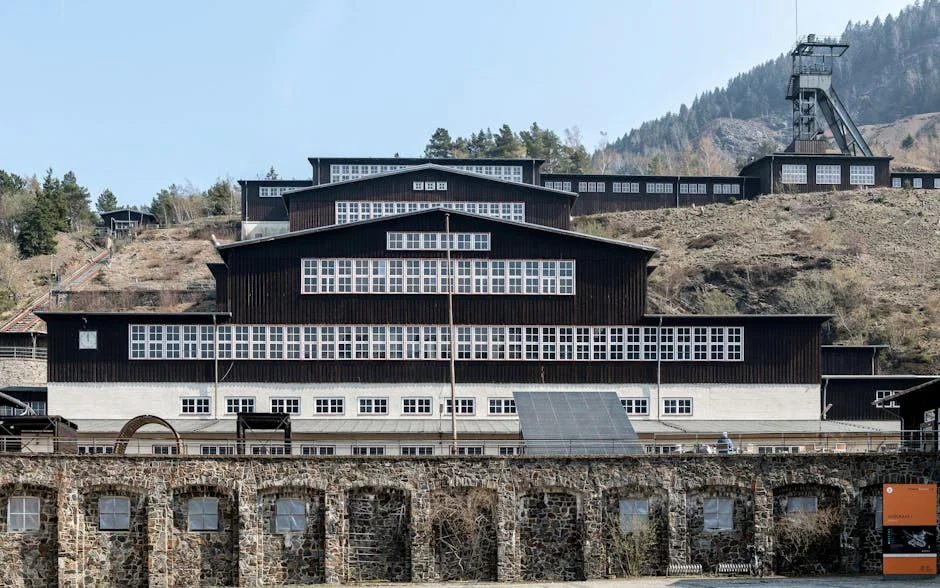
The push is driven by the US’s growing need for copper, essential for electric vehicles and renewable energy systems. The Biden administration has identified critical minerals like copper as vital to its climate goals. Chile’s strategic location and existing infrastructure make it a key supplier, but environmental and social challenges remain.
Local Communities Feel the Impact
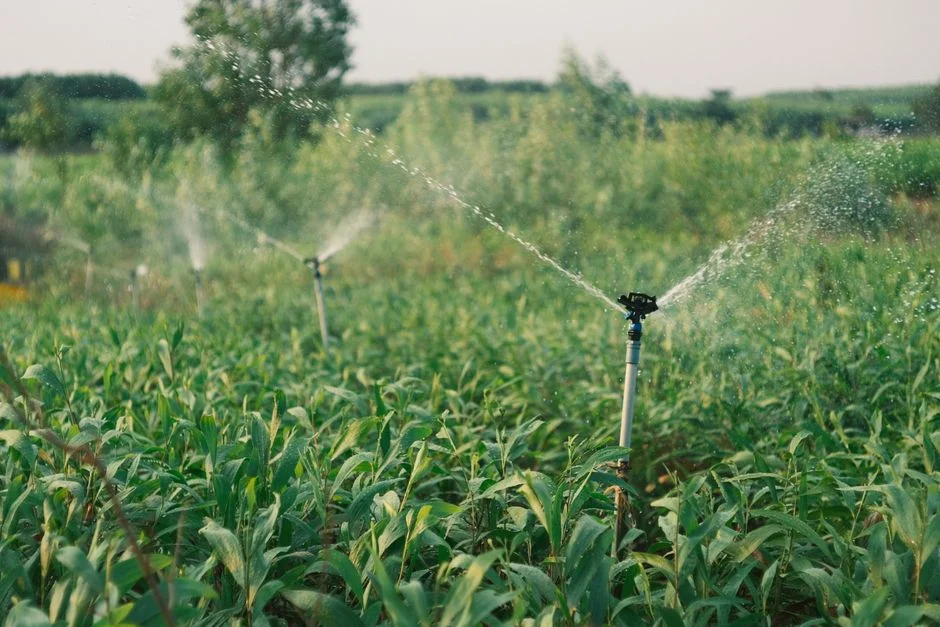
In the Atacama region, communities have mixed reactions to the expansion. While some see job opportunities, others worry about water scarcity and environmental degradation. The desert is already one of the driest places on Earth, and mining operations require large amounts of water. In San Pedro de Atacama, a town of 6,000 residents, local leaders have raised concerns about the long-term effects on agriculture and tourism.
“We need economic growth, but not at the cost of our environment,” said María López, a community representative. “We want to see more transparency and a real plan to protect our resources.”
US Demand Drives the Global Copper Market
The US is the second-largest consumer of copper after China, and its demand is expected to grow by 3% annually over the next decade. The Department of Energy has identified copper as a critical component in the shift to clean energy, with the Biden administration aiming to double domestic production of key minerals by 2030. Chile’s role in this effort has made it a strategic partner, but the relationship is not without tension.
“Chile is a key supplier, but the US also wants to reduce its reliance on foreign sources,” said Dr. James Carter, a senior analyst at the US Energy Institute. “This creates a delicate balance between cooperation and competition.”
Challenges and Environmental Concerns
Environmental groups have criticised the expansion, arguing that mining in the Atacama could worsen water shortages and harm biodiversity. The region is home to unique ecosystems, including the Andean flamingo and the Atacama salt flat. In 2022, a study by the University of Chile warned that current mining practices could reduce groundwater levels by 20% within a decade.
“The government needs to ensure that development is sustainable,” said Luisa Fernández, a researcher at the Chilean Environmental Foundation. “We must not repeat the mistakes of the past.”
Community Response and Policy Debates
Some local governments have called for stricter regulations, while others support the expansion. In the city of Calama, the mayor has proposed a public consultation on mining policies, citing the need for community input. Meanwhile, the national government is drafting new environmental guidelines to address concerns.
“This is not just about economics,” said Mayor José Martínez. “It’s about the future of our people and our land.”
What Comes Next for Chile and the US?
The Chilean government has set a deadline of 2026 for the first phase of its mining expansion. Meanwhile, the US is working on its own domestic mining reforms, which could affect how much copper it imports from Chile. The outcome will have far-reaching implications for global supply chains, local economies, and environmental policies.
Readers should watch for updates on mining permits, environmental assessments, and trade agreements between Chile and the US in the coming months. The decisions made now will shape the future of copper production and its impact on communities across the region.
See Also
- Easter Celebrations: Ganduje Urges Christians to Pray for Unity, Peace, Political Stability and Prosperity for Nigeria
- Federal Government Halts Eko Bridge Closure to Ease Lagos Traffic
“This creates a delicate balance between cooperation and competition.” Challenges and Environmental Concerns Environmental groups have criticised the expansion, arguing that mining in the Atacama could worsen water shortages and harm biodiversity. “Chile is a key supplier, but the US also wants to reduce its reliance on foreign sources,” said Dr.