Entre, a major city in Nigeria, has seen a growing trend of workers taking on side jobs to cope with financial pressures, but the practice is now causing widespread exhaustion and raising concerns about labor rights. The shift has been driven by stagnant wages, rising inflation, and a lack of job security in the formal sector, pushing many to seek alternative income sources. A recent survey by the Nigerian Labour Congress found that 68% of workers in the region are now engaged in side jobs, with many working 14-hour days.
Workers Struggle to Balance Multiple Jobs
For many in Entre, the pressure to work multiple jobs has become the norm. Aminat Yusuf, a teacher and part-time driver, described the situation as "a daily battle." "I work from 6 a.m. to 10 p.m. every day, and I still can't afford to buy my children new shoes," she said. Her story is echoed by thousands across the region, where the cost of living has surged by 22% in the past year, according to the National Bureau of Statistics.
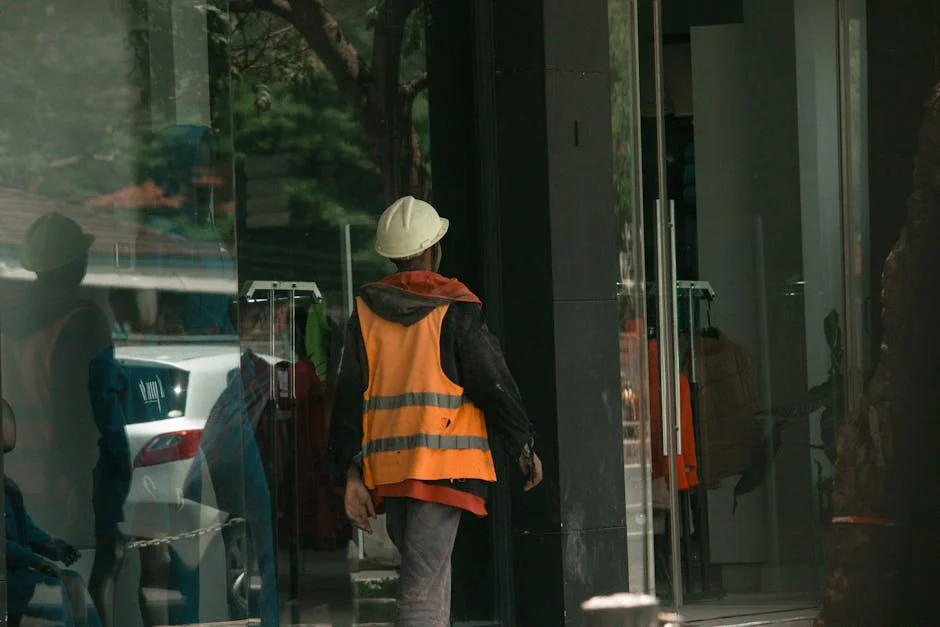
The phenomenon is not limited to informal workers. Even professionals like accountants and engineers are taking on extra work to make ends meet. "I used to work a 9-to-5, but now I have to do my main job and also take on freelance projects," said Chukwudi Okoro, a finance professional in Entre. "It's not sustainable, but what choice do I have?"
Impact on Daily Life and Family
The strain on workers is having a ripple effect on families and communities. Children are often left without proper care, as parents work long hours. In some cases, families are splitting up, with one parent moving to the city for work while the other remains in the village. "I haven't seen my wife in six months," said a farmer from a nearby village who now works in Entre. "I just hope she can take care of the kids."
Health issues are also on the rise. A local clinic in Entre reported a 40% increase in cases of stress-related illnesses, including anxiety and chronic fatigue. "We're seeing patients who are overworked and under-supported," said Dr. Nneka Uche, a physician at the clinic. "This isn't just a labor issue—it's a public health crisis."
Government and Employer Response
The Nigerian government has acknowledged the issue but has yet to implement concrete solutions. A spokesperson for the Ministry of Labour stated that the government is "reviewing labor laws to better protect workers," but no timeline has been given. Meanwhile, some employers are beginning to take notice. A few companies in Entre have started offering flexible working hours and remote work options to reduce the burden on employees.
Unions are pushing for stronger protections. The Nigerian Labour Congress has called for a national minimum wage increase and stricter regulations on overtime. "We cannot continue to let workers suffer for the sake of profit," said union leader Adebayo Adeyemi. "This is a human rights issue, not just an economic one."
Regional and Economic Implications
The trend has broader implications for the local economy. With workers stretched thin, productivity is declining, and small businesses are struggling to keep up. In Entre, a local market vendor, Maimunat Sani, said, "I used to sell 50 items a day, but now I can barely sell 20. People don't have the time or energy to shop."
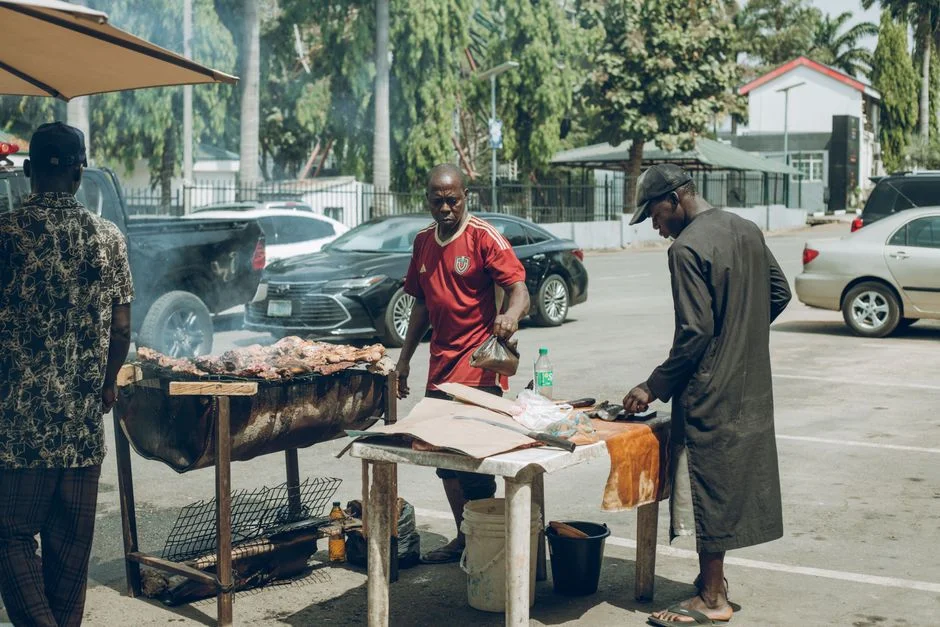
The situation has also led to a rise in informal economies, where workers take on odd jobs to survive. In some areas, people are offering services like tutoring, car repairs, and even house cleaning on a daily basis. While this provides short-term relief, it also highlights the lack of stable employment opportunities in the region.
What’s Next for Workers in Entre?
As the pressure on workers continues to mount, the coming months will be critical. The Nigerian Labour Congress has scheduled a national summit in July to discuss potential reforms, and workers are urging the government to take action. Meanwhile, many in Entre are preparing for a tough summer, with no signs of relief in sight. For now, the struggle to balance multiple jobs remains a harsh reality for thousands of families in the region.
See Also
- Bruxelas Rejects Predictions of Increased Migratory Flows — Here's Why It Matters
- Amazon Kicks Off Spring Festival With Great Deals - What It Means For Nigerian Consumers
"This is a human rights issue, not just an economic one." Regional and Economic Implications The trend has broader implications for the local economy. While this provides short-term relief, it also highlights the lack of stable employment opportunities in the region.
What is the latest news about entre halts side jobs as workers face new strain?
Why does this matter for economy-business?
What are the key facts about entre halts side jobs as workers face new strain?