A recent report has unveiled a disturbing WhatsApp chat among young activists affiliated with the Republican Party, where they reportedly used racial slurs and discussed violent acts against Black Americans. This revelation raises urgent questions about the implications for race relations and political discourse in the United States and beyond.
Racist Chats Among Young GOP Members Exposed
The report, which surfaced earlier this week, details the conversations held in a private WhatsApp group involving young Republican activists. In these chats, members exchanged racist comments and shockingly discussed the potential for violence against Black Americans, reflecting a troubling undercurrent of racism within segments of the party's youth.
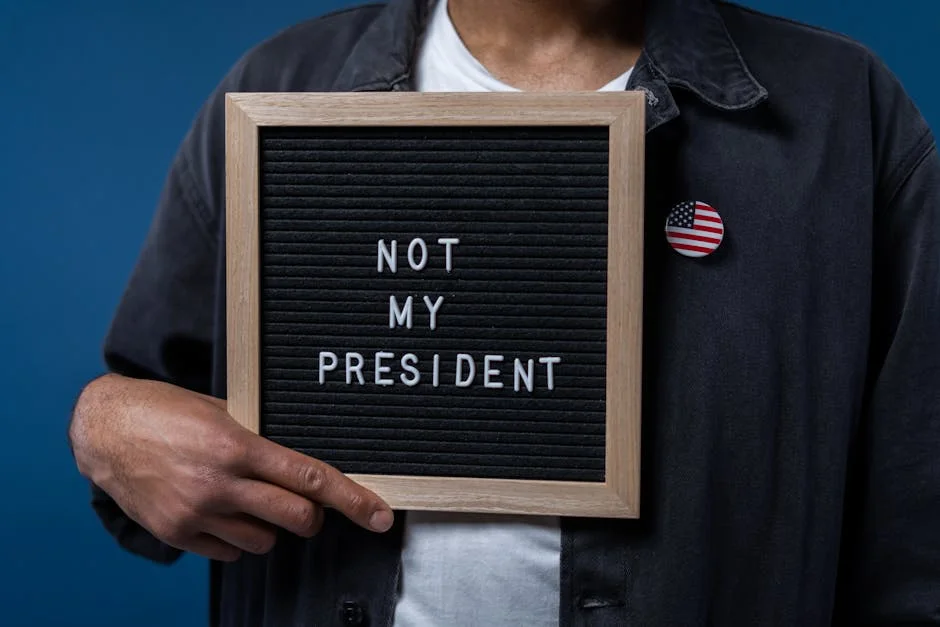
This incident has sparked widespread condemnation from various quarters, with civil rights groups calling for accountability and urging the Republican Party to address the toxic culture of racism that seems to be festering among its younger members.
Context: Historical Racism in American Politics
Racism has a long and painful history in the United States, particularly within political parties that have often pandered to racial divisions for electoral gain. The Republican Party, founded in the 1850s on anti-slavery principles, has seen a significant ideological shift over the decades. This latest incident raises concerns about a resurgence of overt racism within the party, potentially alienating not only Black Americans but also other marginalised communities.
For many, the implications of this report extend beyond American borders, particularly in regions where the influence of American political ideologies is prevalent, such as Africa. The dynamics of race and governance in Africa often reflect the historical and ongoing struggles against colonialism and oppression, mirroring the conversations occurring in the U.S.
Why This Matters for African Development Goals
The revelations concerning the young GOP activists highlight critical challenges that resonate with African development goals. One of the key objectives set by the African Union is to promote inclusivity and respect for human rights across the continent. Extremism and racism, whether in the U.S. or Africa, can hinder progress on these fronts and exacerbate tensions among diverse populations.
The implications for governance are profound. As African nations strive to build robust democracies and inclusive societies, incidents like these serve as a reminder of the dangers of divisive politics. For nations like Nigeria, where ethnic and religious tensions frequently manifest, the need to foster unity and respect across various demographics is paramount for sustainable development.
Potential Consequences and Next Steps
The ongoing fallout from the report could lead to significant repercussions for the Republican Party, especially as it seeks to appeal to a broader electorate in upcoming elections. As Black Americans demand accountability, the party's response may dictate its relationship with racial minorities moving forward.
For African nations observing these developments, the situation serves as a cautionary tale. It highlights the importance of promoting inclusive governance and addressing issues of race and inequality proactively. As countries work towards their development goals, the need to foster a climate of respect, dialogue, and understanding becomes ever more critical.
Conclusion: A Call for Reflection
In light of these revelations, both American and African political leaders must reflect on the lessons that can be learned from this incident. As societies grapple with the legacy of racism and its implications for governance, the commitment to human rights and inclusivity remains at the forefront of global development agendas.