In a landmark move, With has unveiled a clean energy initiative aimed at addressing Africa's urgent need for sustainable infrastructure and energy access. This initiative, announced during the recent African Development Forum in Addis Ababa, seeks to harness local renewable resources to fuel economic growth and improve health and education outcomes across the continent.
Understanding the Clean Energy Initiative
The clean energy initiative, dubbed "Project Green Future," aims to provide affordable and sustainable energy solutions to over 100 million people in Africa by 2030. With plans to deploy solar panels, wind turbines, and biogas installations, the project seeks to reduce reliance on fossil fuels and enhance energy resilience across various regions.
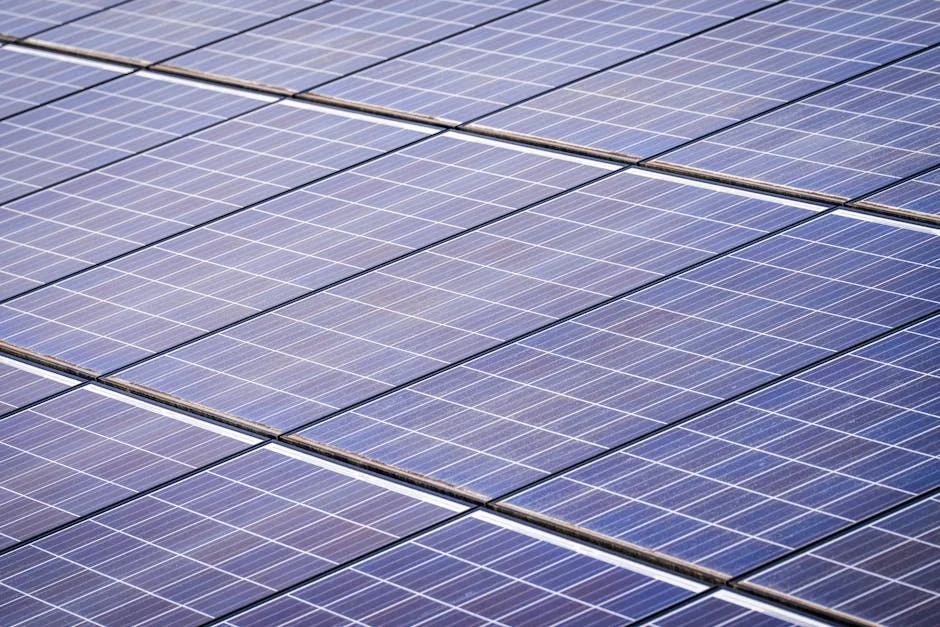
According to initial estimates, the initiative could create more than 1 million jobs in renewable energy sectors, fostering economic growth and empowering local communities. The project also aims to improve health outcomes by reducing air pollution and increasing access to clean cooking solutions.
The Significance of Investing in Clean Energy
Investment in clean energy is a critical component of Africa's development strategy. As countries across the continent strive to meet the United Nations Sustainable Development Goals (SDGs), reliable energy access becomes paramount. Currently, over 600 million people in Africa lack electricity, significantly hindering progress in education, healthcare, and economic development.
By focusing on renewable energy, With is not only addressing immediate energy needs but also contributing to long-term sustainability. The initiative aligns with the African Union's Agenda 2063, which emphasises the importance of infrastructure development and energy security in driving the continent's growth.
Challenges Ahead for the Initiative
While the clean energy initiative presents significant opportunities, it also faces challenges that must be navigated. One of the primary hurdles is securing financing for the large-scale implementation of renewable projects. With many African nations grappling with debt and limited budgets, attracting foreign investment will be crucial.
Additionally, ensuring the maintenance and sustainability of these energy systems in rural areas poses logistical challenges. Local capacity building and training will be essential to equip communities with the skills needed to operate and maintain renewable energy systems.
Potential Impact on Governance and Policy
The launch of the clean energy initiative has the potential to influence governance and policy frameworks across Africa. By prioritising renewable energy, With could inspire national governments to implement policies that support sustainable practices and attract investments in green technologies.
Furthermore, this initiative may lead to stronger regional cooperation on energy matters, as countries look to share best practices and resources. Such collaboration could enhance regional stability and foster economic integration, essential for achieving continental objectives.
What to Watch for Next
As the clean energy initiative unfolds, key stakeholders, including governments, NGOs, and the private sector, will be watching closely. The success of Project Green Future could set a precedent for future partnerships and investments in renewable energy across Africa.
In the coming months, With is expected to announce specific project locations and timelines, as well as partnerships with local organisations. Observers will also monitor how this initiative impacts ongoing discussions around climate change and environmental sustainability in Africa, especially in light of recent global commitments to reduce carbon emissions.