Blasts near Abu Dhabi airport have escalated security concerns as the UAE intercepts a new drone threat, marking day seven of ongoing conflict in the region. The incidents highlight the growing instability that could have far-reaching implications, particularly for African nations reliant on the Gulf for trade and investment.
Details of the Blasts and Interception
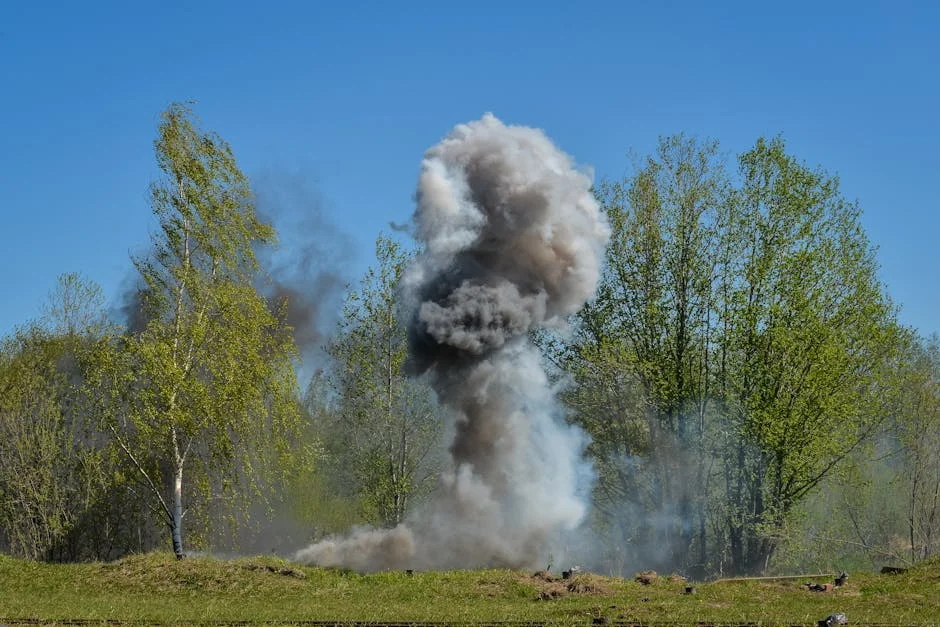
On January 23, 2024, blasts were reported near Abu Dhabi International Airport, prompting immediate action from UAE air defence forces. The country successfully intercepted a drone believed to be part of a coordinated attack amidst escalating tensions in the region. This incident comes just days after similar attacks raised alarm bells about the security situation in the Gulf, a critical area for international trade.
Why Abu Dhabi Matters for Africa
The significance of Abu Dhabi extends beyond its borders, with the UAE being a major investor in various African nations. Countries like Nigeria, Kenya, and South Africa have developed strong economic ties with the Gulf state, benefiting from investments in infrastructure, health, and education. However, the recent blasts serve as a stark reminder of how geopolitical instability can jeopardise these relationships and the economic growth they foster.
The Impact on Nigeria
Nigeria, as Africa's largest economy, has much to lose if the situation in Abu Dhabi deteriorates further. The UAE is one of Nigeria's top trading partners, with significant investments in sectors such as oil and gas, telecommunications, and real estate. Any disruption in the Gulf could impact the flow of goods and services, raising costs and potentially leading to inflation in Nigeria. Moreover, the geopolitical uncertainty might deter future investments, hindering Nigeria's development goals.
Wider African Development Challenges
The blasts in Abu Dhabi highlight ongoing challenges faced across the continent, including security, governance, and infrastructure development. As conflicts continue to disrupt trade routes and economic stability, African nations must seek to bolster governance frameworks and enhance security measures. This is particularly critical as countries strive to reach development goals set forth in the African Union's Agenda 2063, which emphasises peace, security, and stability as prerequisites for sustainable development.
Opportunities Amidst Challenges
Despite the challenges posed by instability in the Middle East, there are opportunities for African nations to diversify their economic partnerships. As they navigate the complexities of international relations, countries like Nigeria could focus on strengthening ties with alternative markets, including Asian and European nations. This diversification could shield African economies from external shocks and promote more resilient trading relationships.
What to Watch Next
As the situation unfolds in Abu Dhabi, African leaders must pay close attention to the implications for regional security and economic partnerships. Increased dialogue and cooperation among African nations could be vital in addressing the potential fallout from geopolitical tensions. Additionally, stakeholders should monitor how the conflict impacts investment flows and trade dynamics in the region, particularly as it relates to infrastructure development and governance reforms essential for achieving long-term growth.