In a significant diplomatic move, Indian External Affairs Minister S. Jaishankar spoke with Iranian Foreign Minister Abbas Araghchi on October 10, 2023, amidst escalating tensions in the Middle East. This conversation comes at a pivotal time, as the region grapples with ongoing conflicts that have far-reaching implications for global stability and economic growth.
Diplomatic Dialogue Amid Regional Turmoil
The discussion between Jaishankar and Araghchi focused on the escalating violence in the Middle East, specifically the recent clashes between Israel and Hamas. The Indian government, which has been advocating for peace and stability in the region, seeks to understand Iran's perspective, given its significant influence over various factions involved in the conflict. This dialogue is particularly crucial as India aims to maintain its strategic relationships while addressing the concerns of its own citizens and regional partners.
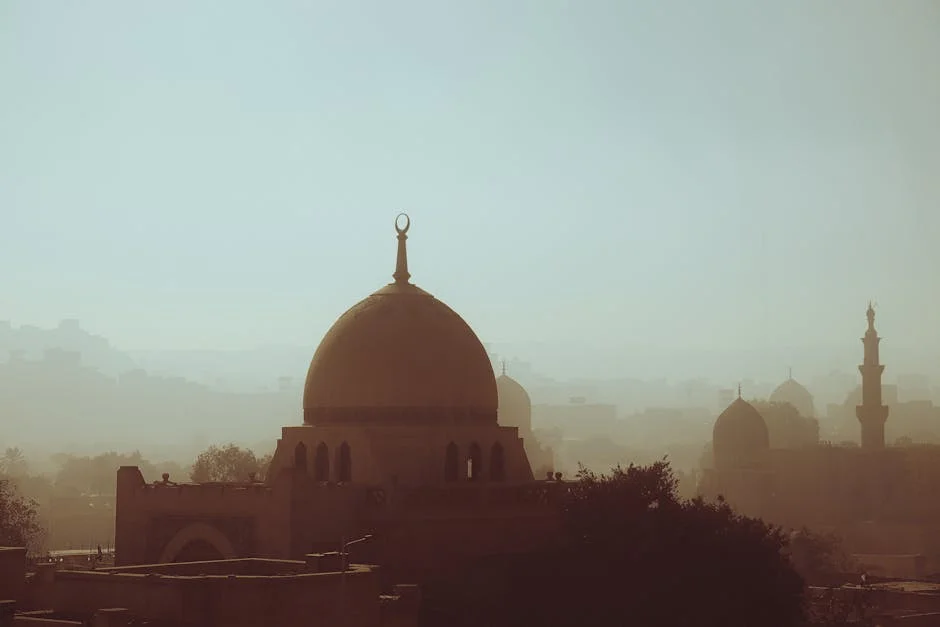
Why the Middle East Matters to Africa
The Middle East is not just a geopolitical hotspot; it plays a vital role in Africa’s development goals. The continent relies heavily on Middle Eastern countries for oil imports and investment. For instance, the African Union's Agenda 2063 envisages a prosperous Africa that is integrated into the global economy, with strong trade ties. Understanding the dynamics of Middle Eastern politics can help African leaders navigate these relationships more effectively.
Opportunities for African Engagement
Jaishankar's engagement with Araghchi illustrates the potential for African nations to leverage diplomatic relations in the Middle East for economic growth. By fostering partnerships in energy, education, and technology, African countries can enhance their infrastructure and governance capabilities. For example, Middle Eastern investments in renewable energy projects across the continent can aid in addressing Africa's energy deficit, which is crucial for economic growth.
The Role of Governance in Regional Stability
Governance remains a central theme in discussions surrounding the Middle East's stability. As African leaders observe the unfolding events, the relationship between effective governance and regional peace becomes more apparent. Countries like Sudan and Libya, which have experienced governance crises, showcase the importance of strong institutions in mitigating conflict, a lesson that resonates throughout the continent.
Health and Humanitarian Considerations
The ongoing violence in the Middle East also raises urgent humanitarian concerns, which can have ripple effects on African countries. As refugees from conflict zones seek safety, African nations must be prepared to respond effectively. The experience of countries such as Uganda, which has been a haven for refugees, highlights the need for robust health systems and educational initiatives to support displaced populations. This presents an opportunity for African nations to collaborate with international partners, including those in the Middle East, to address humanitarian crises.
Conclusion: Watching the Developments
As Jaishankar and Araghchi navigate the complexities of Middle Eastern politics, African nations should keep a close eye on these developments. The outcomes of such dialogues can significantly impact the continent's development trajectory, particularly in areas such as infrastructure, health, education, and governance. The intersection of Middle Eastern stability and African growth is a critical narrative that requires ongoing attention.