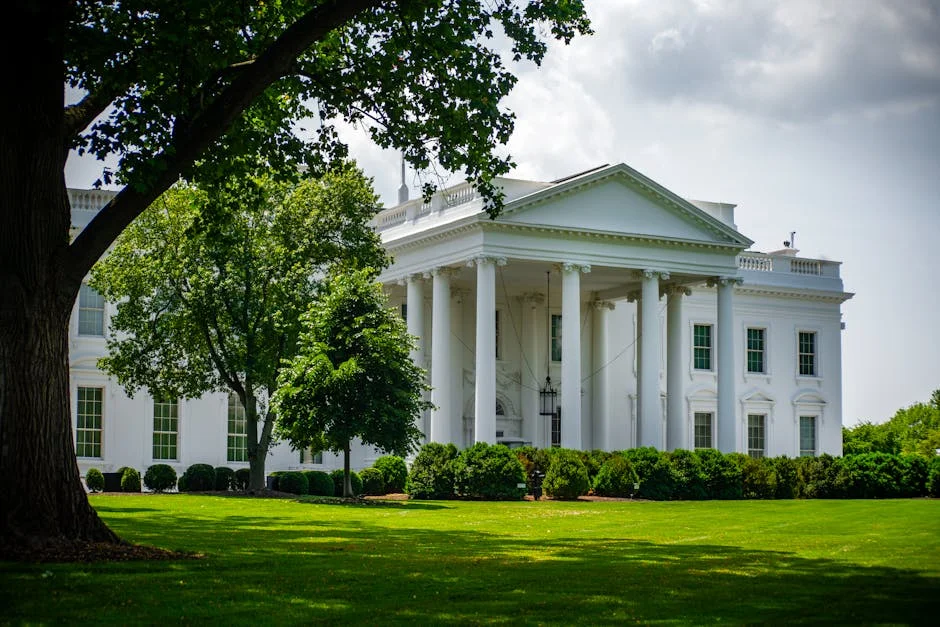
In a significant shift in leadership, President Donald Trump has appointed Senator Mullin to replace Kristi Noem as Homeland Security Secretary. This decision, announced on Tuesday, raises questions about the future direction of the Department of Homeland Security amidst pressing national security challenges.
Kristi Noem's Tenure and Its Implications
Kristi Noem, who has served as Homeland Security Secretary since 2021, was known for her controversial stances on immigration and border security. Her departure from this critical role comes as the nation grapples with increased border crossings and domestic security threats. Noem's leadership style and policies have sparked debate, making her an influential figure in American politics, and her exit will undoubtedly shift the landscape of the department.

Senator Mullin: A New Direction?
Senator Mullin, a vocal supporter of Trump's immigration policies, is expected to bring a more hardline approach to the Department of Homeland Security. His appointment is seen as a strategic move by Trump to reinforce his administration’s priorities on national security, especially as the 2024 elections approach. Mullin’s background in law enforcement and his experience in the Senate may provide the department with a fresh perspective on tackling the issues at hand.
Why This Matters for African Development Goals
The shift in leadership within the U.S. Homeland Security has broader implications, especially for African nations striving for development. As the U.S. takes a firmer stance on immigration, it could lead to increased scrutiny of African migrants and refugees seeking asylum in America. This policy change may influence bilateral relations, particularly in areas concerning trade, development aid, and security cooperation.
Continental Challenges and Opportunities
African nations face numerous challenges, including governance issues, infrastructure deficits, and health crises. The U.S.'s immigration policies can impact these challenges by affecting how resources, both financial and humanitarian, are allocated. For instance, if the U.S. becomes more restrictive, it may hinder opportunities for African development organizations that rely on American support and funding.
Consequences for Future Relations
As the Trump administration continues to reshape its approach to national security, African leaders will need to navigate these changes carefully. Keeping an eye on how Senator Mullin’s policies evolve will be crucial for understanding the potential repercussions on African development goals. Stakeholders in both the U.S. and Africa must prepare for a period of adjustment, where collaboration and communication become even more vital in addressing shared challenges.