A Senegalese soldier was killed and two others injured on Thursday during a clash with suspected cannabis growers in the Casamance region of southern Senegal.
Casamance Conflict Continues
The incident occurred as part of an ongoing operation by the Senegalese military to combat illegal cannabis cultivation in the Casamance, which has been a source of conflict for decades. This area, located between Senegal and The Gambia, has seen frequent clashes due to political and ethnic tensions, often exacerbated by economic factors such as land disputes and resource scarcity.
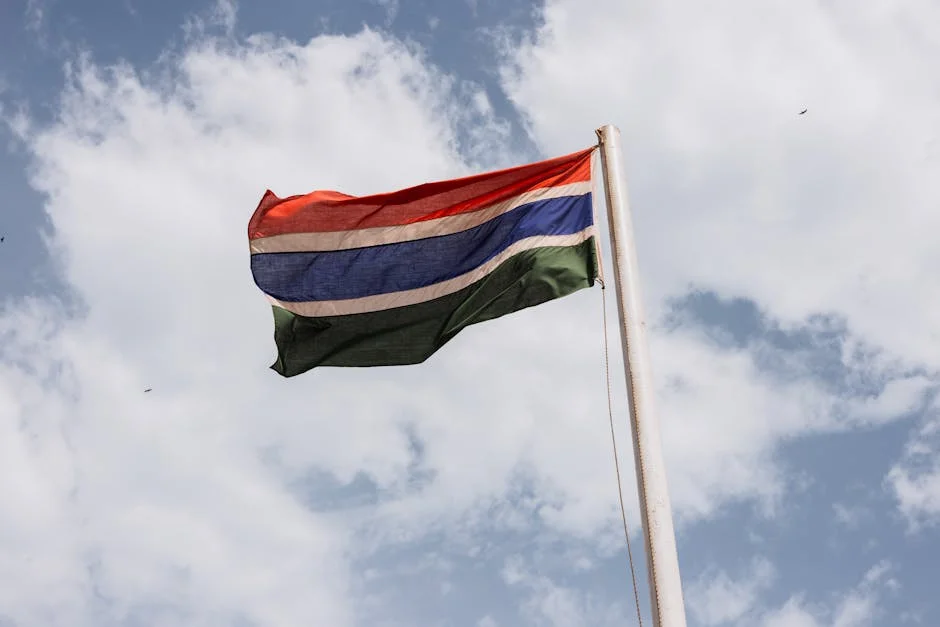
The Gambia, a small country nestled within Senegal, has its own unique challenges but also shares many similarities with its larger neighbour. Both countries have faced issues related to governance, economic growth, and social development, which are critical areas of focus for the broader African continent.
Economic Implications for Senegal and Nigeria
The cannabis industry in Casamance not only represents a significant economic activity but also poses a challenge to the government’s efforts to control and regulate it. This ongoing struggle reflects broader issues across Africa, where traditional industries and modern economic policies often intersect in complex ways.
For Nigeria, Senegal's largest trading partner in West Africa, understanding these dynamics is crucial. The stability and economic success of Senegal can have ripple effects on Nigerian markets and trade routes, making the resolution of conflicts in regions like Casamance important for both countries.
Governance and Stability in Casamance
The death of the Senegalese soldier highlights the ongoing governance challenges in Casamance. Despite numerous peace agreements and attempts at reconciliation, the region remains politically unstable, with separatist movements continuing to seek greater autonomy from Senegal.
Improving governance in Casamance is essential not just for the local population but also for the entire Senegalese economy. A more stable and prosperous Casamance could contribute significantly to Senegal's overall economic growth, thereby strengthening its position in regional and continental affairs.
Health and Humanitarian Impact
The clash also had a humanitarian impact, affecting not only the soldiers involved but also the local communities who live near the contested areas. Ensuring the safety and wellbeing of residents is crucial for maintaining long-term stability and development in Casamance.
Efforts to improve healthcare access and services in the region, alongside better governance and economic conditions, would greatly benefit the people of Casamance and contribute to the broader goals of African development.
Education and Development Opportunities
In addition to the immediate concerns of conflict and governance, Casamance faces challenges in providing quality education to its young population. Access to education is vital for future generations to thrive and participate fully in the economic and social life of Senegal.
Investing in educational infrastructure and resources in Casamance could help create a more skilled workforce, driving innovation and economic growth. This would align with broader African development goals, which emphasise the importance of education in achieving sustainable progress.