A new survey has revealed that many women in South Africa face significant challenges during childbirth, including abuse from medical staff and unsatisfactory care. These findings shed light on the broader issues within the country’s healthcare system and its impact on achieving African development goals.
Survey Reveals Common Experiences of Maternal Abuse
The survey, conducted by a team of researchers from the University of Cape Town, uncovered widespread reports of mistreatment during childbirth among South African women. Many participants described feeling disrespected, ignored, and even physically abused by healthcare providers. This mistreatment can have long-lasting effects on both the physical and mental well-being of mothers and their newborns.
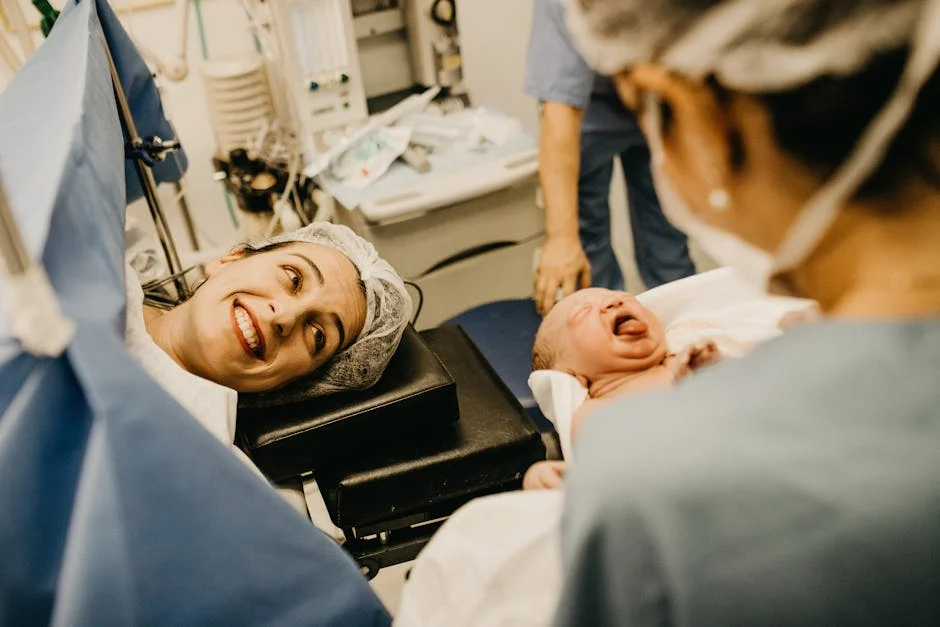
In addition to the emotional toll, such experiences can also lead to complications during delivery and affect the overall quality of healthcare received. The findings highlight the need for improvements in the training and attitudes of medical staff, as well as better communication between healthcare providers and patients.
Impact on Maternal Healthcare in South Africa
The results of this survey underscore the importance of addressing maternal healthcare in South Africa. Poor conditions and mistreatment during childbirth can contribute to higher rates of infant mortality and morbidity, which are key indicators of a country’s overall health and development.
By improving the quality of care and ensuring that all women receive respectful treatment, South Africa can work towards reducing these disparities and achieving its development goals. Better healthcare outcomes for mothers and children are crucial for building a healthier and more prosperous society.
Broader Implications for African Development Goals
The findings from this survey have implications beyond South Africa, as they reflect broader challenges faced by many African countries in providing high-quality maternal healthcare. Across the continent, there is a need for increased investment in healthcare infrastructure, training for medical professionals, and policies that prioritize the well-being of mothers and children.
Achieving these goals requires collaboration between governments, healthcare organizations, and communities. By working together, African nations can improve maternal healthcare and make strides towards their development objectives.
Opportunities for Improvement and Innovation
The survey highlights not just the challenges but also the opportunities for improvement in South Africa’s healthcare system. Innovations in technology, such as mobile health applications and telemedicine, could play a vital role in enhancing access to care and improving patient experiences.
Furthermore, community-based initiatives and partnerships between healthcare providers and local organizations can help address some of the systemic issues identified in the survey. By fostering a culture of respect and support, these efforts can lead to better outcomes for mothers and babies across the country.
Continental Challenges and Regional Variations
While the survey focuses on South Africa, it reflects the wider regional challenges faced by many African countries in terms of healthcare provision. Differences in infrastructure, resources, and cultural practices mean that solutions must be tailored to specific contexts.
However, there are also opportunities for learning and sharing best practices across borders. By collaborating and exchanging knowledge, African nations can collectively work towards improving maternal healthcare and achieving their shared development goals.
Next Steps and Future Research
The survey provides valuable insights into the experiences of women giving birth in South Africa, but further research is needed to fully understand the scope and nature of the challenges faced. This includes exploring variations in care based on factors such as socioeconomic status, location, and ethnicity.
By continuing to gather data and analyze trends, researchers and policymakers can identify areas for improvement and develop targeted interventions to enhance maternal healthcare. This ongoing work is essential for ensuring that all women in South Africa—and across Africa—receive the care they deserve during childbirth.