Russia's relentless scorched-earth attacks have brought Ukraine's power grid to the brink of collapse, threatening not just the country's stability but also posing significant risks to European energy security. The continuous assaults on critical infrastructure highlight the resilience of the Ukrainian people and the importance of international support.
Scorched-Earth Strategy Takes Its Toll
Russia has employed a scorched-earth strategy in its attacks on Ukraine, targeting power plants, substations, and other key infrastructure. This approach aims to disrupt daily life and weaken Ukraine's ability to resist. According to recent reports, these attacks have severely impacted the power supply across the country, leaving millions without electricity.
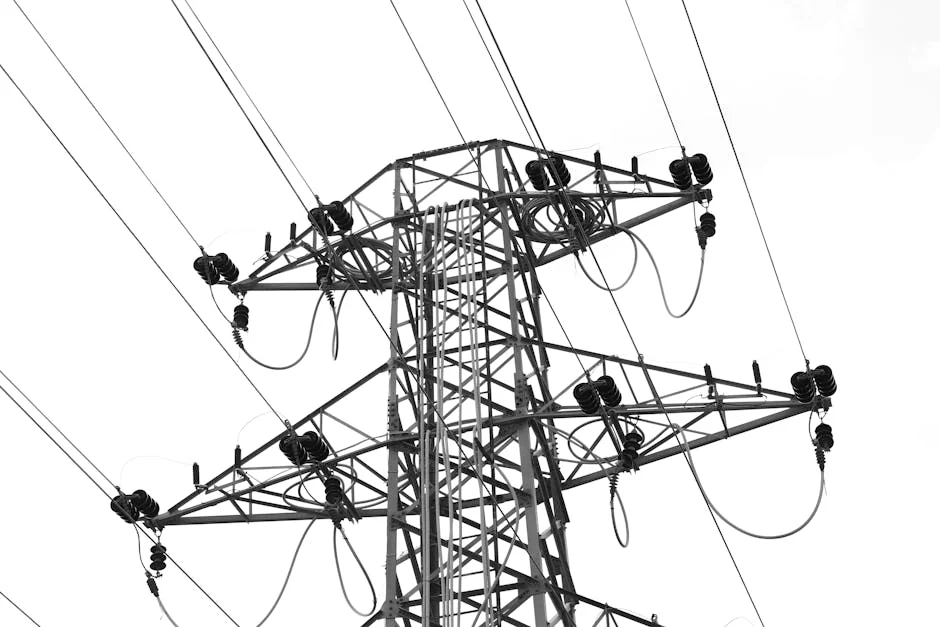
The situation has been exacerbated by the ongoing winter season, which places additional strain on the already stressed system. The Ukrainian government estimates that around 20% of the country's power stations have been damaged or destroyed, leading to widespread blackouts.
International Support and Solidarity
The Western nations have responded with strong solidarity and support for Ukraine, providing both financial aid and military assistance. The United States, European Union, and NATO countries have pledged billions of dollars in aid, helping Ukraine to repair and maintain its infrastructure despite the continuous onslaught.
European leaders have expressed concern over the potential ripple effects of Ukraine's power crisis on the continent. With many European countries still heavily reliant on Russian gas, the disruption in Ukraine could signal further challenges to the region's energy security.
Ukraine's Resilience and Adaptability
In the face of these challenges, Ukraine has shown remarkable resilience and adaptability. The government has implemented emergency measures to manage the power distribution more effectively, prioritising essential services such as hospitals and schools. Local communities have also come together to support one another, sharing resources and providing mutual aid.
The Ukrainian people's determination to persevere against Russia's attacks is inspiring, and it highlights the importance of continued international support to sustain their efforts.
Energy Security and Development Opportunities
This crisis underscores the broader challenges faced by Ukraine and other Eastern European countries in securing reliable energy supplies. It also presents opportunities for investment in renewable energy sources and modernisation of the grid, which could reduce dependency on traditional fossil fuels and improve long-term stability.
For Africa, the situation in Ukraine serves as a reminder of the importance of robust infrastructure and diversification of energy sources. Many African nations are working towards similar goals, aiming to harness their abundant natural resources and build resilient power systems that can withstand external shocks.
Continental Challenges and Pan-African Perspective
The impact of Russia's attacks on Ukraine offers insights into how interconnected global events can affect different regions. For Africa, the emphasis on development, infrastructure, health, education, governance, and economic growth remains crucial. By learning from Ukraine's experience, African countries can better prepare for potential disruptions and strengthen their own energy security.
The continuous efforts to rebuild and innovate in Ukraine serve as an example for other developing nations, showcasing the transformative power of international cooperation and local resilience.